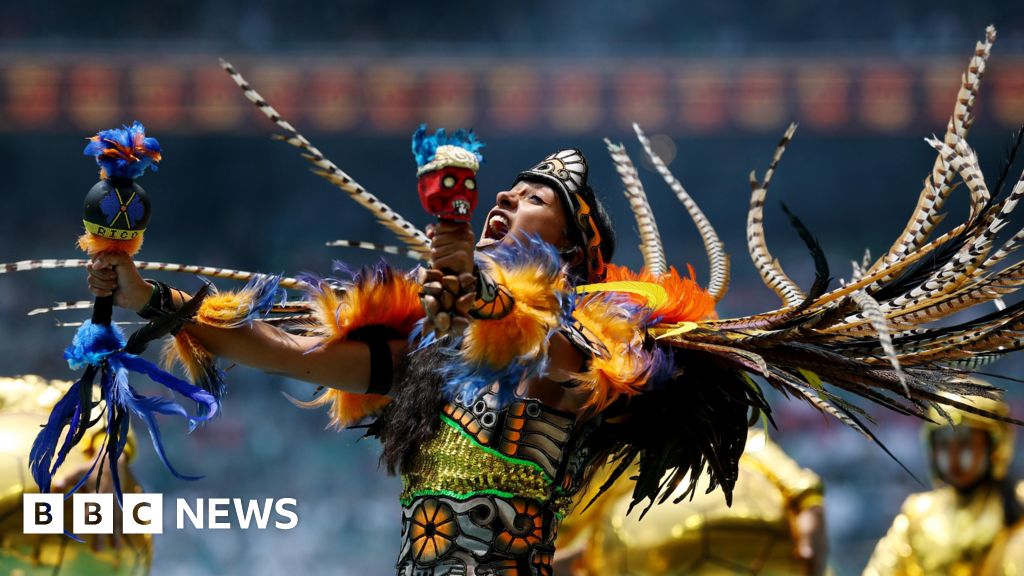
The 2026 FIFA World Cup officially commenced in Mexico City with an elaborate opening ceremony at the Estadio Azteca, though the event was marked by both celebratory performances and pockets of civil unrest in the surrounding area. According to reports from international news agencies, the festivities featured a high-profile appearance by singer Shakira, while local law enforcement confirmed sporadic clashes between police and protesters near the stadium gates.
The tournament, which is being co-hosted by Mexico, the United States, and Canada, officially opened its doors to a global audience as thousands of fans gathered in the capital. While the ceremonial proceedings focused on cultural displays and musical performances, the atmosphere outside the venue remained tense, with authorities managing demonstrations related to ongoing local socio-political grievances. Detailed information regarding the tournament schedule and official fan safety protocols can be found on the official FIFA tournament portal.
Ceremonial Festivities and Event Security
The opening ceremony at the Estadio Azteca—a venue with a historic pedigree in international football—served as the primary launchpad for the month-long competition. Global media outlets, including the Associated Press, noted that the production focused heavily on Mexican heritage, featuring traditional dance troupes and a headline performance by Shakira, who has become synonymous with FIFA World Cup anthems over the past two decades.

Inside the stadium, the event proceeded according to the scheduled timeline, with FIFA officials praising the logistical coordination of the host nation. However, the external perimeter of the stadium saw a different reality. According to BBC News, security forces were deployed in significant numbers to manage crowds, resulting in intermittent confrontations between police units and demonstrators who had gathered to voice opposition against various national policies. The presence of these protests highlighted the complex intersection of global sporting events and domestic political landscapes in host cities.
Protests and Public Order in Mexico City
The protests outside the stadium were not directed solely at the tournament itself, but rather utilized the international media presence to draw attention to broader domestic issues. Local police reports indicated that while the majority of the demonstrators were peaceful, small groups attempted to breach security perimeters, leading to the use of crowd-control measures. There have been no reports of mass casualties or significant structural damage to the venue, though law enforcement agencies continue to monitor the area closely.

Historically, the Estadio Azteca has been a focal point for both sporting triumph and political expression. The current administration in Mexico has emphasized that the security measures in place are designed to ensure the safety of visiting international fans while upholding the right to peaceful protest. For ongoing updates regarding security advisories, travelers are encouraged to monitor the U.S. Department of State’s travel guidance for Mexico, which provides real-time information on civil unrest and safety precautions.
The Impact of a Multi-Nation Tournament
This year’s World Cup represents a significant logistical challenge, as it is the first time the tournament is being hosted across three different countries. Analysts suggest that the scale of the operation requires unprecedented levels of cooperation between local, state, and federal law enforcement agencies in Mexico. Unlike previous single-nation tournaments, the 2026 structure means that security failures or political disruptions in one host city could have cascading effects on the reputation of the tournament as a whole.
According to data released by FIFA, the 2026 tournament is expected to generate a record-breaking economic impact for the host regions, though local advocacy groups have argued that these benefits are often unevenly distributed. The juxtaposition of the high-budget opening ceremony and the protests outside serves as a reminder of the tensions inherent in hosting such massive, global-scale events. As the tournament moves into its group stage matches, international observers will be watching to see how the Mexican government manages the balance between maintaining public order and facilitating the influx of millions of visitors.
Looking Ahead to Group Stage Matches
The next major checkpoint for the tournament will be the conclusion of the initial group stage, with the first round of matches scheduled to take place over the coming week across various venues in the three host nations. FIFA has announced that they will provide daily briefings on match results, security updates, and logistical adjustments through their digital platforms. For those following the tournament, official match schedules and ticketing information remain available via the FIFA ticketing portal.

As the competition progresses, the focus is expected to shift from the ceremonial aspects of the opening to the technical performance of the teams involved. Whether the tournament can maintain its focus on the pitch while navigating the complex social realities of its host cities remains a central question for organizers. Readers are invited to share their perspectives on the tournament’s opening days in the comments section below.
Worth a look