
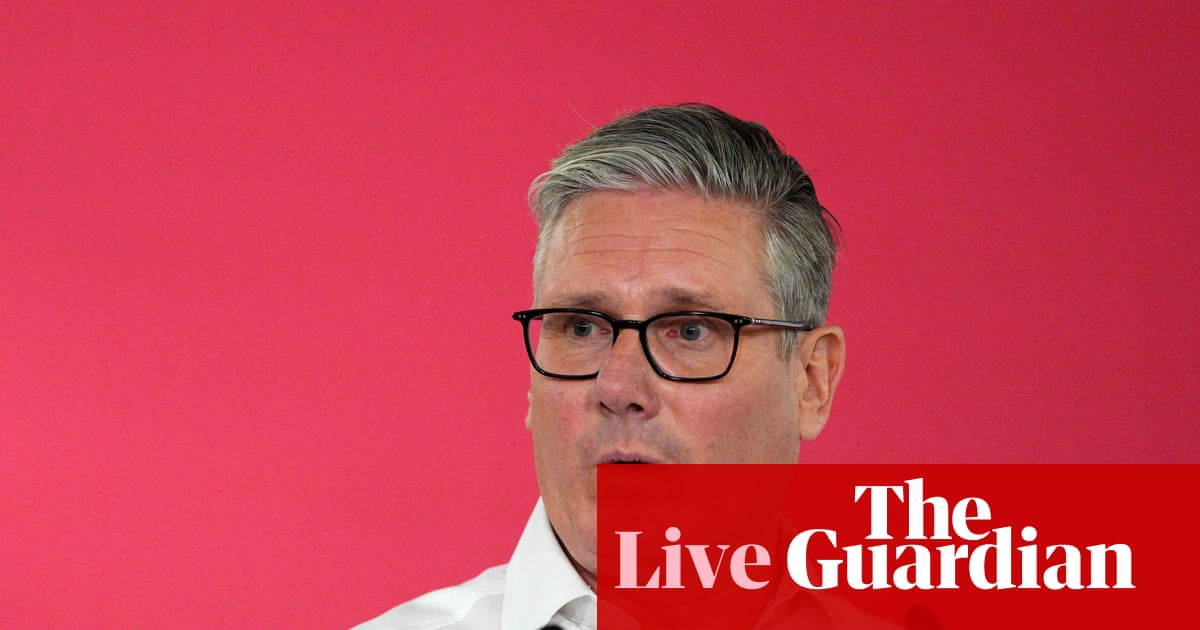
Prime Minister Keir Starmer’s attempt to stabilize his leadership on Monday, May 11, 2026, failed to quell a growing rebellion within the Labour Party. Despite a high-profile speech aimed at redefining his administration’s direction, a wave of Labour MPs continues to publicly demand that the Prime Minister set a formal timetable for his resignation.
Speaking at the Coin Street Neighbourhood Centre in Waterloo, London, Starmer attempted to pivot his policy platform, pledging to bring Britain closer to the European Union. The move is widely viewed as an effort to fight off demands to step down following what have been described as devastating local election results for the Labour Party.
As a journalist who has spent nearly two decades analyzing the intersection of economic policy and political stability, I recognize that this level of internal fracture often signals more than just a momentary dip in polling. When a party’s own elected members begin calling for an “orderly transition,” the conversation shifts from policy disputes to a fundamental crisis of confidence in leadership.
A Pivot Toward Europe Amid Internal Turmoil
The Prime Minister’s choice of venue and message on Monday was a calculated risk. By pledging to move Britain closer to the EU, Starmer sought to appeal to a segment of the electorate and his own party members who view closer European ties as essential for economic recovery and political stability. However, this policy shift appeared insufficient to satisfy those within his ranks who believe the leadership’s failures are systemic rather than strategic.

The pressure on Starmer stems from a perceived disconnect between the party’s leadership and the voters. The local election results have left many within the party feeling that the current course is no longer commanding the confidence of the public, rendering a simple “reset” of the administration’s image ineffective.
The Rebellion: MPs Call for an “Orderly Transition”
The dissent is not limited to a few fringe voices. it includes MPs who are now openly stating that Starmer’s position has become untenable. Paulette Hamilton was among those calling for a change in leadership, citing the impact of the local elections on the ground. “The local elections were devastating,” Hamilton stated, noting that voters repeatedly indicated that “national issues and the party leadership meant they could no longer vote Labour.” She emphasized that the party now requires an “orderly transition to new leadership.”
Similarly, Markus Campbell-Savours expressed genuine regret while stating that Starmer’s leadership “is not working.” While acknowledging that the Prime Minister is a “decent, principled and kind man,” Campbell-Savours argued that his position is now untenable. He further asserted that loyalty to the party and its members must outweigh loyalty to an individual leader, particularly when that leader is “not commanding confidence.”
The scale of the electoral defeat has provided the catalyst for this rebellion. Campbell-Savours specifically highlighted the loss of 1,500 seats last week, a figure that has become a focal point for those arguing that the current leadership cannot lead the party to future victory.
Analyzing the Numbers: Rebellion vs. Resilience
Within the party, Notice conflicting interpretations of the scale of this unrest. While the public calls for resignation are mounting, some officials are attempting to frame the dissent as a minority movement. Reed noted that if 40-plus MPs have called for Starmer to go, it implies that 90% of Labour MPs are not publicly demanding his departure.
However, in the volatile environment of UK politics, the number of public defectors is often a trailing indicator of private sentiment. As Campbell-Savours noted, colleagues are now being encouraged to “say publicly what many have said privately for months.” From a market and governance perspective, the uncertainty created by a leader fighting for their political life can lead to legislative paralysis, making the demand for a “timetable” for resignation a practical request for stability.
What This Means for the UK’s Political Landscape
The current situation places Keir Starmer in a precarious position. The pledge to bring Britain closer to the EU is a significant policy shift, but it may not be enough to bridge the gap with a party base that feels abandoned by the results of the local elections. The demand for a “credible vision for the country” and a “clear sense of direction” suggests that the rebellion is not just about the person of Starmer, but about the perceived lack of ambition and purpose in the current administration.
For the global audience and international investors, this instability in the UK’s governing party introduces a layer of risk. Political volatility often translates to economic uncertainty, particularly when the Prime Minister is forced to spend more time managing internal party revolts than implementing economic policy.
Key Takeaways
- EU Pivot: Prime Minister Keir Starmer pledged to bring Britain closer to the EU on May 11, 2026, in an attempt to stabilize his leadership.
- Internal Dissent: MPs including Paulette Hamilton and Markus Campbell-Savours are calling for an “orderly transition” and a resignation timetable.
- Electoral Trigger: The unrest follows “devastating” local election results, including the loss of 1,500 seats.
- Leadership Crisis: Critics argue that Starmer’s position is “untenable” and that he no longer commands the confidence of the voters or his party.
- Counter-Argument: Some party figures suggest that the vast majority of Labour MPs have not publicly joined the calls for resignation.
The immediate focus now turns to whether more MPs will follow the lead of Hamilton and Campbell-Savours, and whether the Prime Minister will yield to the pressure to set a departure date. The next critical checkpoint will be the party’s internal response to the continued calls for a resignation timetable and any further statements from the Prime Minister’s office regarding the transition of leadership.
We invite our readers to share their perspectives on the current leadership crisis in the UK. Do you believe a policy shift toward the EU is enough to restore confidence? Let us know in the comments below.