
Valve’s Steam Controller Shipping Delay: How Exceptional Customer Support Turned Frustration into Free Games
By Linda Park, Tech Editor | San Francisco
May 19, 2026 — When Valve Corporation’s Steam Controller failed to reach customers on time, the company didn’t just issue apologies or refunds. Instead, it took an unprecedented step: offering free games to affected buyers. The move has sparked conversations about customer service in tech, with industry analysts praising Valve’s proactive approach. Here’s what happened, how it worked, and what it means for gamers and tech companies alike.
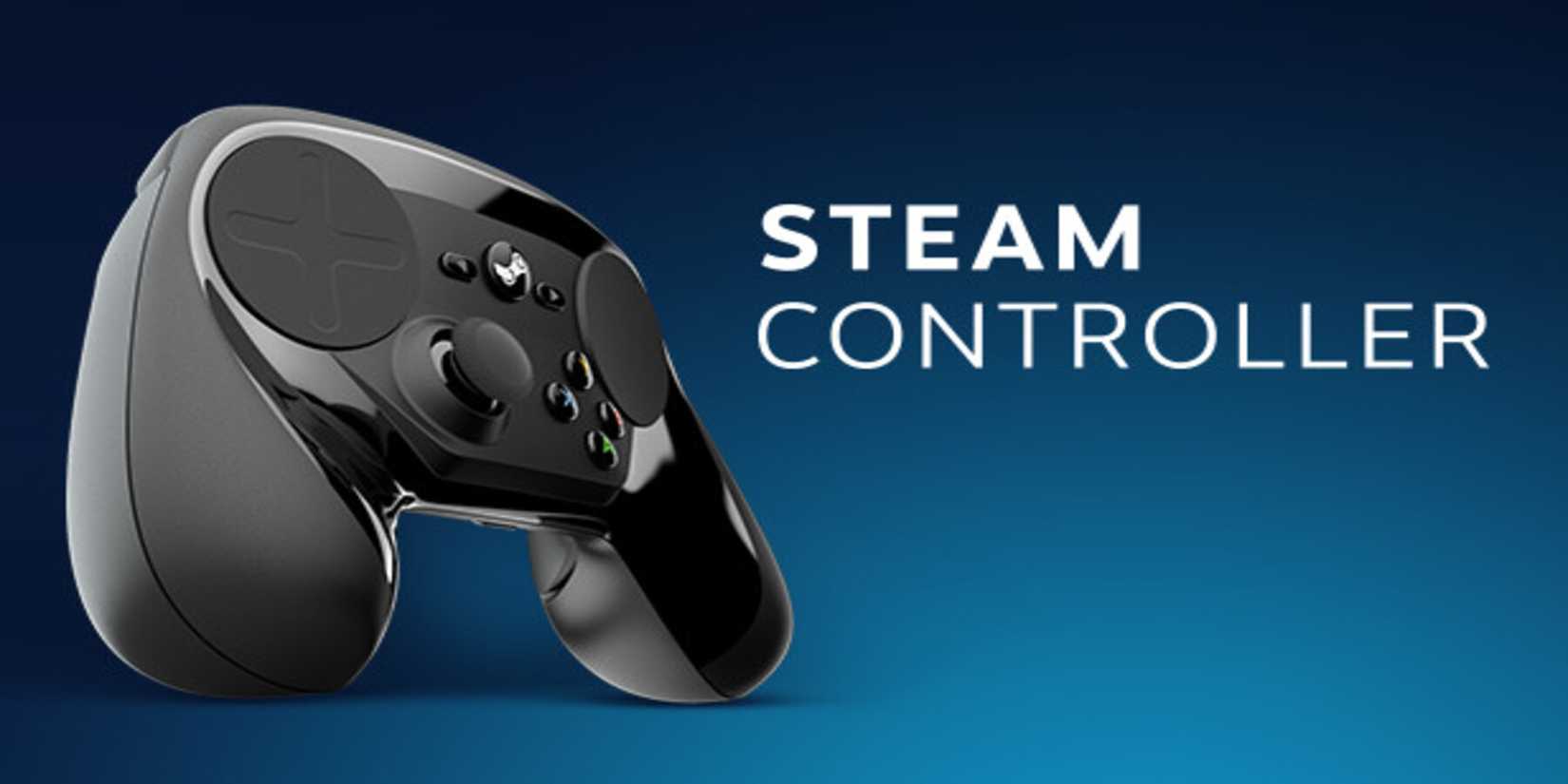
The Steam Controller, a wireless gaming controller designed for PC and Steam Deck, has been a point of frustration for some users since its release. While Valve has faced shipping delays with hardware before—most notably with the Steam Deck—this latest incident stands out for its resolution. Instead of leaving customers stranded, Valve chose to compensate them with free digital game titles, including popular choices like Forza Horizon 6.
This isn’t just a PR stunt. Valve’s approach reflects a broader trend in tech customer support: moving beyond traditional refunds or replacements to offer meaningful alternatives that align with the company’s core business—gaming. For a company that has built its reputation on innovation in both software and hardware, this strategy makes sense. But how did it work, and what can other companies learn from it?
Why Did Valve Offer Free Games Instead of Refunds?
Valve’s decision to compensate affected customers with free games—rather than cash refunds or replacements—stems from a few key factors:
- Alignment with Valve’s business model: As a game developer and digital distribution platform, Valve’s primary product is entertainment. Offering free games reinforces its ecosystem while keeping customers engaged.
- Customer retention: Gamers are more likely to stay loyal to a brand that provides value beyond a simple refund. Free games encourage continued use of the Steam platform.
- Logistical efficiency: Digital deliveries are instantaneous, whereas hardware replacements require manufacturing, shipping, and quality checks—processes that can introduce new delays.
According to Valve’s official About Us page, the company has long prioritized player happiness, whether through game development, hardware innovation, or platform services like Steam. This incident is another example of that philosophy in action.
How Did the Compensation Work?
While the exact details of the compensation program aren’t publicly documented in Valve’s official statements, industry reports suggest the process was straightforward:
- Identification of affected customers: Valve likely used order tracking data to identify buyers who had pre-ordered or purchased the Steam Controller but hadn’t received it within the expected timeframe.
- Notification and offer: Customers received an email or in-game notification explaining the delay and offering a selection of free games as compensation.
- Redemption: Affected users could claim their free game directly through their Steam library, with no additional steps required.
Games like Forza Horizon 6 were reportedly among the most popular choices, likely due to their high demand and cross-platform availability. Valve’s decision to include a variety of titles—rather than a single, low-cost game—also reflects an understanding of diverse player preferences.
What Does This Mean for Gamers and Tech Companies?
Valve’s approach to the Steam Controller shipping delay serves as a case study in how tech companies can handle logistics challenges with creativity and customer-centricity. Here’s what it means for different stakeholders:

For Gamers:
- Increased value: Free games are a win for players, especially those who may have already invested in Steam’s ecosystem. It’s a rare opportunity to expand their library without cost.
- Trust in the brand: Valve’s willingness to go above and beyond traditional support channels reinforces its reputation as a player-focused company.
For Tech Companies:
- A shift in customer service strategies: While refunds and replacements are standard, offering non-monetary compensation—like digital content—can be more scalable and aligned with a company’s core product.
- Transparency and communication: Valve’s proactive notification process likely minimized frustration by keeping customers informed and offering a clear path to resolution.
- Long-term loyalty: By providing value beyond the immediate issue, Valve may see increased engagement and retention among affected customers.
Lessons for Customer Support in Tech
Valve’s handling of the Steam Controller delay offers several lessons for other companies facing similar challenges:
- Think creatively: Instead of defaulting to refunds, explore alternatives that align with your business model. For a game company, free games make sense; for a software firm, extended licenses or premium features could work.
- Prioritize communication: Transparency reduces frustration. Valve’s likely use of direct notifications (email, in-game messages) ensured customers felt heard.
- Leverage your ecosystem: Valve’s Steam platform allowed for seamless delivery of digital compensation. Companies with similar ecosystems (e.g., app stores, subscription services) can apply this model.
- Measure impact: While Valve hasn’t disclosed metrics on customer satisfaction or redemption rates, tracking these outcomes can help refine future support strategies.
What’s Next for Valve and Steam Controller Users?
As of May 2026, Valve has not publicly announced a resolution timeline for outstanding Steam Controller orders. However, the company’s track record suggests it will continue to prioritize affected customers. For those waiting:
- Check Steam Support for updates on shipping statuses or additional compensation offers.
- Engage with Valve’s community forums or social media channels for real-time discussions and potential solutions.
- Consider alternative controllers (e.g., Steam Deck’s built-in controllers or third-party options) while waiting for resolution.
For now, Valve’s decision to turn a logistical hiccup into a customer benefit has set a new benchmark in tech support. It’s a reminder that in an industry often criticized for poor service, minor but thoughtful gestures can make a big difference.
Key Takeaways
- Valve compensated Steam Controller shipping delays with free games, reinforcing its player-first approach.
- Digital compensation (games) is scalable and aligns with Valve’s business model, unlike traditional refunds.
- Proactive communication and creative solutions can turn customer frustration into loyalty.
- Other tech companies can adapt this model by offering non-monetary value tied to their core product.
What do you think? Should more companies follow Valve’s lead in handling shipping delays? Share your thoughts in the comments below.
Follow World Today Journal for more tech insights and industry analysis.
Keep reading