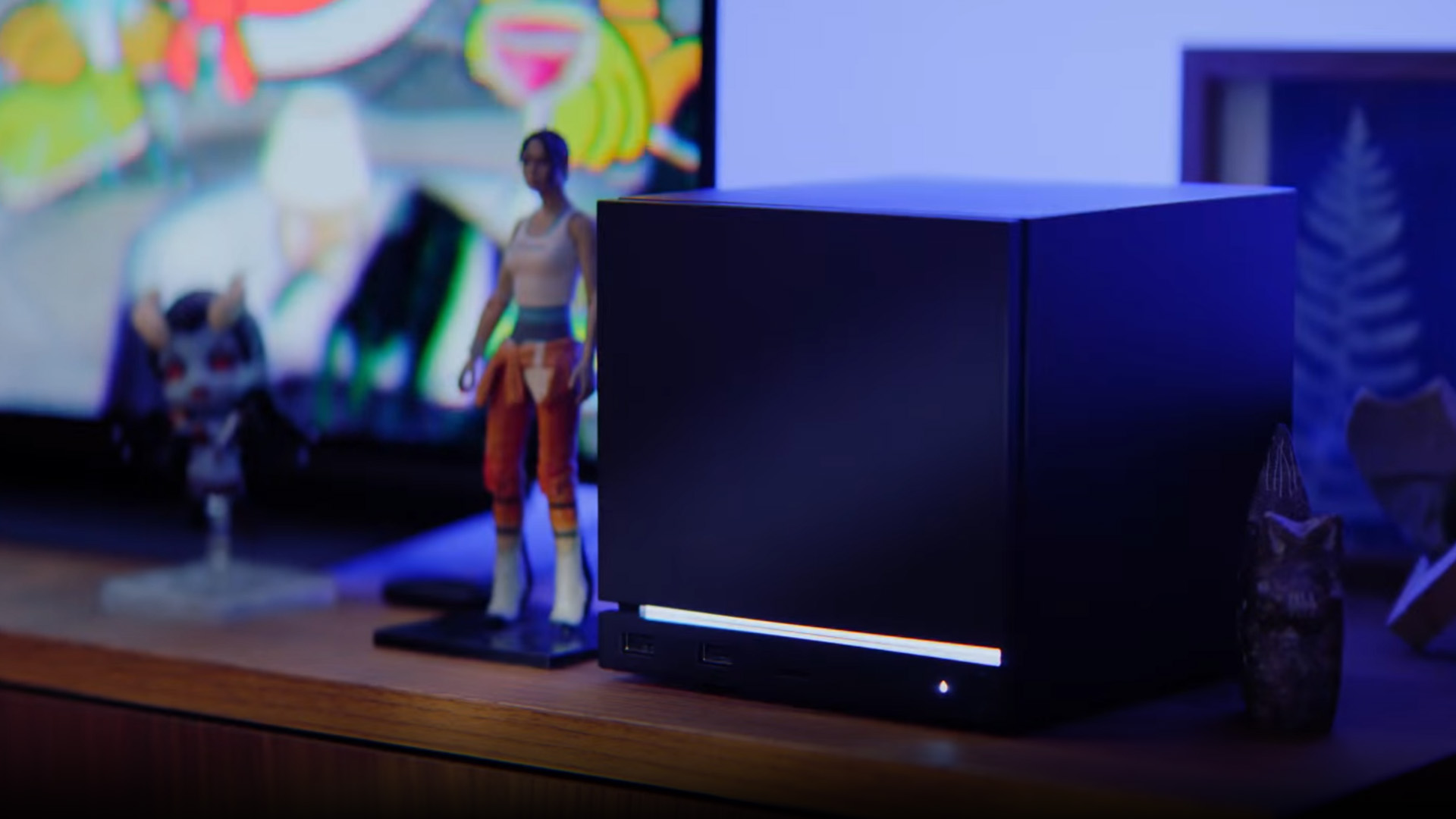
San Francisco, CA – Valve Corporation has reaffirmed its commitment to launching the Steam Machine, Steam Controller, and Steam Frame in 2026, despite recent concerns fueled by reports of memory and storage shortages and the broader impact of the artificial intelligence boom on the PC hardware market. The clarification comes after a somewhat ambiguous passage in Valve’s 2025 year-in-review post sparked speculation about a potential delay until 2027. The company’s upcoming foray into dedicated gaming hardware has been eagerly anticipated by gamers seeking an alternative to traditional PC builds and the existing console landscape.
The initial confusion stemmed from wording in the year-in-review post, which stated, “We hope to ship in 2026, but as we shared recently, memory and storage shortages have created challenges for us. We’ll share updates publicly when we finalize our plans!” However, Valve’s communications lead, Kaci Aitchison Boyle, swiftly addressed the concerns, telling The Verge that “nothing has really changed on our end.” The year-in-review post has since been updated to a more definitive statement: “We shared recently that there have been challenges with memory and storage shortages, but we will be shipping all three products this year. More updates will be shared as we finalize our plans.” This direct response underscores Valve’s dedication to delivering on its promised timeline.
Addressing Supply Chain Challenges and the AI Impact
The reaffirmation is particularly significant given the current volatility in the PC hardware market. Rising prices for components like memory and storage, driven in part by the increasing demand for hardware used in artificial intelligence applications, have created headwinds for many manufacturers. PC Gamer reports that analysts are even predicting the potential end of entry-level PC machines due to these escalating costs. Valve’s ability to navigate these challenges will be crucial to the success of the Steam Machine, which aims to offer a compelling, streamlined gaming experience.
The global semiconductor industry has faced ongoing disruptions since 2020, initially due to the COVID-19 pandemic and subsequent supply chain bottlenecks. More recently, the surge in demand for AI-related hardware has exacerbated these issues, diverting resources and increasing lead times for key components. Cool3c highlights the impact of these rising memory prices on hardware releases, including the Steam Machine. Valve’s commitment to a 2026 launch suggests the company has secured sufficient supply or has a strategy to mitigate the impact of these shortages.
What We Know About the Steam Machine
Details about the Steam Machine remain somewhat limited, but Valve has revealed some key specifications. GameRant details that the console is expected to boast next-generation specs, including 16 GB of DDR5 system RAM and 8 GB of GDDR6 RAM, alongside a semi-customized version of the AMD RDNA 3 GPU. This configuration positions the Steam Machine as a powerful gaming platform capable of delivering high-fidelity graphics and smooth performance. The Steam Machine represents Valve’s long-held ambition to create a dedicated gaming console that seamlessly integrates with the Steam ecosystem.
The Steam Machine isn’t arriving in a vacuum. Valve already has a successful handheld gaming device in the Steam Deck, which launched in February 2022. T客邦 notes that the Steam Deck recently celebrated its fourth anniversary, demonstrating the continued popularity of Valve’s handheld offering. While a second-generation Steam Deck hasn’t been announced, the success of the original has undoubtedly paved the way for the Steam Machine’s development and market entry.
The Steam Controller and Steam Frame: Expanding the Ecosystem
Alongside the Steam Machine, Valve is also preparing to launch the Steam Controller and Steam Frame. The Steam Controller is intended to offer a unique and customizable input experience for PC gaming, potentially addressing some of the limitations of traditional controllers. The Steam Frame, appears to be a display designed specifically for gaming, potentially offering features like high refresh rates and low latency. These additional devices demonstrate Valve’s holistic approach to creating a complete and integrated gaming ecosystem.
The Steam Frame’s specifications and features remain largely unknown, but industry observers speculate it could incorporate technologies like OLED panels and variable refresh rate (VRR) support to enhance the visual experience. The Steam Controller is expected to build upon the innovations of the original Steam Controller, which featured trackpads and customizable button layouts. Both devices are designed to complement the Steam Machine and enhance the overall gaming experience within the Steam ecosystem.
Navigating a Competitive Landscape
The Steam Machine will enter a highly competitive gaming market dominated by established players like Sony (PlayStation), Microsoft (Xbox), and Nintendo (Switch). Each of these companies offers a robust ecosystem of hardware, software, and services. Valve will need to differentiate the Steam Machine through its unique features, competitive pricing, and integration with the vast Steam library. The Steam platform already boasts millions of active users and a massive catalog of games, giving Valve a significant advantage in this regard.
the Steam Machine’s open platform and potential for customization could appeal to PC gaming enthusiasts who value flexibility and control. Unlike traditional consoles, the Steam Machine is expected to allow users to upgrade components and install their own software. This openness could attract a niche market of gamers who are dissatisfied with the limitations of closed console ecosystems. However, it also presents challenges in terms of ensuring compatibility and providing consistent support.
Potential Challenges and Uncertainties
Despite Valve’s reassurances, several challenges remain. The aforementioned supply chain issues and rising component costs pose a significant threat to the Steam Machine’s launch. Hong Kong GameApps.hk reports that memory shortages could potentially increase the retail price of the Steam Machine. Valve will need to carefully balance cost and performance to ensure the console remains competitive.
Another potential challenge is software compatibility. While the Steam platform supports a vast library of games, not all titles are optimized for console-style input or the Steam Machine’s specific hardware configuration. Valve will need to work with developers to ensure a smooth and seamless gaming experience across a wide range of titles. The success of the Steam Machine will ultimately depend on its ability to deliver a compelling and user-friendly gaming experience that appeals to both PC gamers and console enthusiasts.
Valve’s commitment to a 2026 launch signals confidence in its ability to overcome these hurdles. The company’s track record of innovation and its strong relationship with the gaming community suggest the Steam Machine has the potential to disrupt the console market and offer a fresh alternative for gamers worldwide. The next key milestone will be a more detailed reveal of the Steam Machine’s specifications, features, and pricing, which is expected in the coming months.
Key Takeaways:
- Valve has reaffirmed its commitment to launching the Steam Machine, Steam Controller, and Steam Frame in 2026.
- Supply chain challenges, particularly memory and storage shortages, remain a concern but are being addressed.
- The Steam Machine is expected to feature high-end specifications, including 16 GB of DDR5 RAM and an AMD RDNA 3 GPU.
- Valve aims to create a seamless gaming experience integrated with the Steam ecosystem.
- The Steam Machine will compete with established console manufacturers like Sony, Microsoft, and Nintendo.
Stay tuned to World Today Journal for further updates on the Steam Machine and other developments in the gaming industry. We encourage you to share your thoughts and expectations in the comments below.