
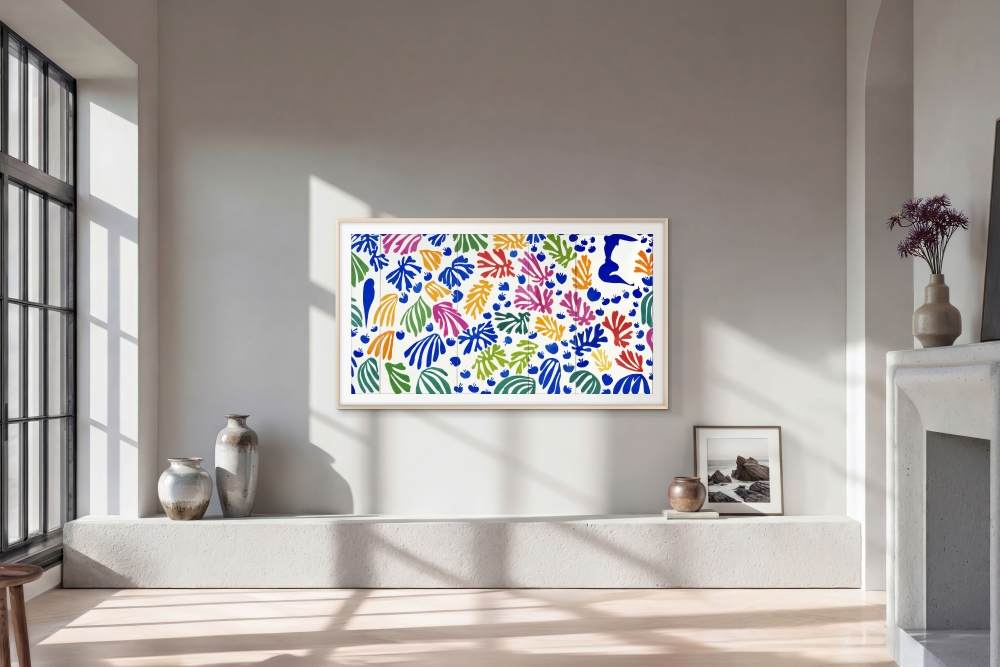
The intersection of high art and high technology has found a new home in the living room. In a move that further blurs the line between the traditional gallery and the domestic space, Samsung Electronics has announced a strategic partnership with the Stedelijk Museum Amsterdam to bring a curated selection of its modern and contemporary collection to the Samsung Art Store.
This collaboration allows users of Samsung’s specialized display technology to transform their screens into digital canvases, featuring works from one of Europe’s most prestigious institutions for modern art. By integrating the Stedelijk’s collection into the Stedelijk Museum Amsterdam Samsung Art Store experience, the partnership aims to democratize access to world-class art, moving it from the curated halls of Amsterdam into homes across the globe.
For technology enthusiasts and art lovers alike, this represents more than just a software update. It is a shift in how we consume culture. As the home becomes a more expressive space, the ability to rotate a gallery of European masters—ranging from the bold geometries of De Stijl to the evocative brushwork of the Impressionists—offers a level of curation previously reserved for the elite art collector.
The initiative arrives at a time when the “museum-as-a-service” model is gaining traction. By leveraging high-resolution displays, museums can extend their reach far beyond their physical geography, ensuring that their archives are not just preserved, but actively lived with by a global audience.
Bringing Modern European Masters to the Digital Canvas
The curated selection available through the Samsung Art Store highlights the breadth of the Stedelijk’s modern European collection. Among the most notable additions is Henri Matisse’s “The Parakeet and the Mermaid” (1952-1953), a piece that exemplifies the fluid lines and vibrant colors of Matisse’s later period. The inclusion of such iconic works allows the Samsung Art Store to move beyond decorative imagery into the realm of genuine art history.
Beyond Matisse, the collection features a diverse array of artists who shaped the trajectory of modernism. Users can now display works by Kazimir Malevich, whose suprematist approach redefined abstract art, as well as the legendary contributions of Vincent van Gogh, Paul Cézanne, and Claude Monet. The collection also highlights Jan Toorop, with pieces such as “Old Oaks in Surrey” (1890), showcasing the versatility of the museum’s holdings.
The Stedelijk Museum Amsterdam is particularly renowned for its association with movements like De Stijl, which emphasized purity of form and a limited palette of primary colors. By bringing these works to a digital platform, Samsung is enabling users to experience the geometric precision and bold compositions that continue to influence modern interior design and architecture today.
Rein Wolfs, Director of the Stedelijk Museum Amsterdam, emphasized that the goal of the partnership is to introduce modern art and design to the widest possible audience. According to Wolfs, this development is significant because it allows people around the world to explore the museum’s collection in detail from the comfort of their own homes.
The Technology Behind the Art: OLED and Neo QLED
From a technical perspective, the success of such a partnership relies entirely on the fidelity of the display. Art, particularly modern art with strong color blocks and intricate textures, requires extreme precision in color reproduction and contrast to feel authentic. Samsung is leveraging its latest display technologies to meet this challenge.

The rollout includes support for Samsung’s OLED lineup, which joined the ecosystem in 2026. OLED technology is uniquely suited for art because each pixel is self-lit, allowing for “true blacks” and an infinite contrast ratio. This prevents the “glow” often seen on traditional LED screens, making a digital painting look less like a television and more like a physical canvas.
the Samsung Neo QLED series provides the brightness and color volume necessary to replicate the vividness of an original painting. These screens use Quantum Mini LEDs to provide precise lighting control, ensuring that the bold compositions of artists like Malevich or the luminous landscapes of Monet are rendered with accuracy.
Marta Di Gioia, Curator for Samsung Art Store Europe, noted that Samsung views the home as a key space for experiencing art. By featuring works like Matisse’s “The Parakeet and the Mermaid,” the company aims to enable people to live with art that has fundamentally shaped modern culture.
A Growing Ecosystem of Digital Curation
The Stedelijk Museum Amsterdam is not the first major institution to join the Samsung Art Store, but its addition strengthens a growing network of digital partnerships. Samsung has already collaborated with some of the world’s most influential museums, including The Metropolitan Museum of Art, the Museum of Modern Art (MoMA), and Tate.
This ecosystem creates a “global gallery” where users can switch from the classical treasures of The Met to the avant-garde experiments of the Stedelijk with a few clicks. This variety transforms the television from a dormant black rectangle into a dynamic focal point of the home.

The broader implication of this trend is the shift toward digital ownership and access. While the physical masterpieces remain in Amsterdam, the digital twins provided through the Art Store allow for a different kind of intimacy with the work. The ability to scale a painting to the size of a 77-inch screen allows viewers to notice brushstrokes and details that might be missed in a crowded museum gallery.
This partnership also reflects a wider industry trend where technology companies are positioning themselves as cultural intermediaries. By curating art, Samsung is no longer just selling hardware; it is selling an aesthetic experience and a lifestyle of cultural engagement.
What This Means for the Future of Home Design
The integration of the Stedelijk collection into the home coincides with a shift in interior design toward “expressive living.” As remote work and home-centric lifestyles persist, there is an increasing demand for environments that inspire creativity and tranquility.
Digital art offers a flexibility that physical art cannot match. A homeowner can change the mood of a room to match the season or their own emotional state—switching from the calming tones of a Monet to the energetic geometry of De Stijl. This adaptability makes the Samsung Art Store a powerful tool for those who view their home as a reflection of their evolving tastes.
the partnership highlights the role of AI and digital curation in the future of the arts. As Samsung continues to refine its Art Store, the ability to suggest artworks based on a user’s preferences or the color palette of their room could further personalize the experience, making high art more accessible and less intimidating.
For the Stedelijk Museum, this is a strategic move in digital outreach. In an era where attention is fragmented, meeting the audience where they spend the most time—their living rooms—is a vital strategy for maintaining relevance and inspiring new generations of art lovers.
As of the current rollout, the Stedelijk collection is available to users of compatible Samsung Art TVs, including the 2026 OLED and Neo QLED models. Users can access the curated selection through the Samsung Art Store interface, where they can browse and select pieces to display in their homes.
The next phase of this digital expansion is expected to include further updates to the Art Store’s curation algorithms and potential new partnerships with other European institutions. For those looking to explore the collection, the Samsung official website provides detailed information on compatible devices and subscription options for the Art Store.
Do you think digital galleries will eventually replace the need for physical museum visits, or do they serve as a gateway to the real thing? Share your thoughts in the comments below.