
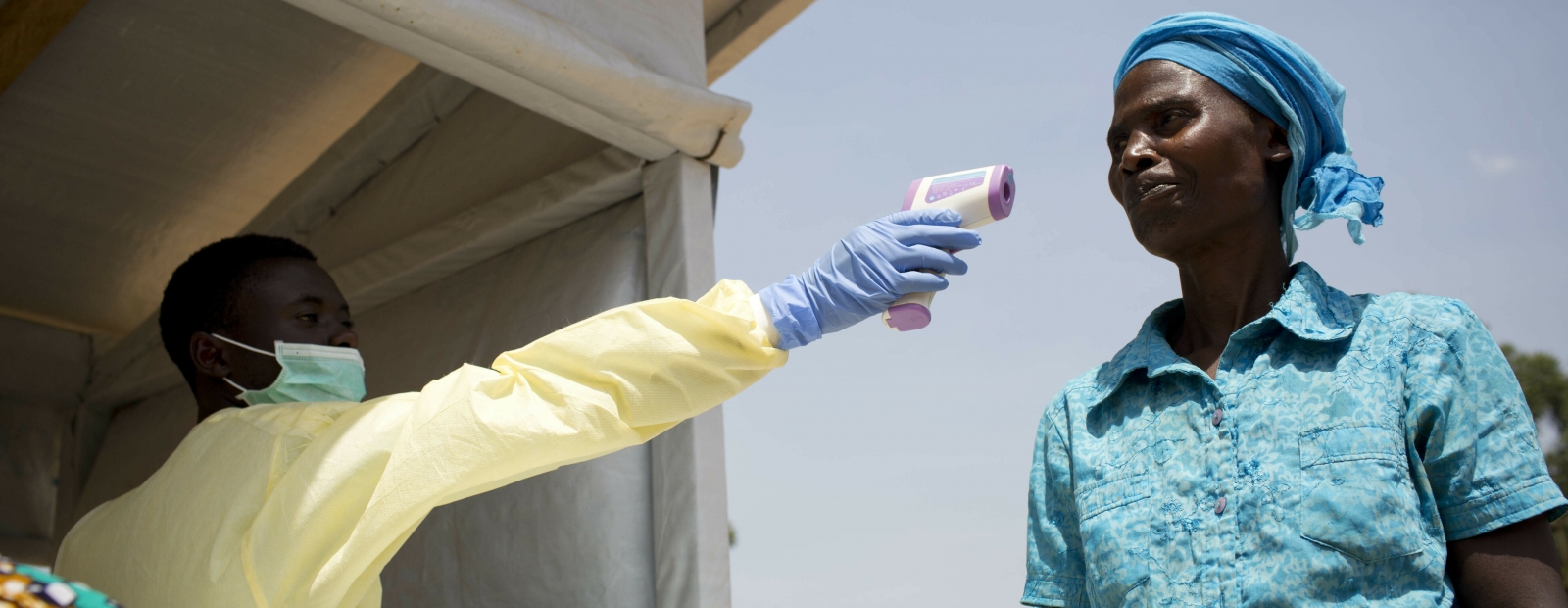
The Democratic Republic of the Congo (DRC) continues to serve as the primary global frontline in the struggle against the Ebola virus, a region where geography, conflict and biology intersect to create a persistent public health challenge. For decades, the country has faced recurring Ebola outbreak Democratic Republic of Congo events, necessitating a sophisticated, rapid-response infrastructure that is now among the most experienced in the world.
Managing these outbreaks requires more than just medical intervention; it demands a complex orchestration of community trust, logistical precision in dense rainforests, and the deployment of cutting-edge biotechnology. As the world monitors the DRC for signs of new transmissions, the focus has shifted from mere containment to a sustainable strategy of surveillance and preventative vaccination to break the cycle of emergence.
The volatility of the region, particularly in the eastern provinces, often complicates health efforts. When an outbreak is detected, the window for intervention is narrow. The speed with which health officials can identify the “index case”—the first infected person—and implement contact tracing often determines whether a localized cluster remains a manageable event or escalates into a national emergency.
The Biological Threat: Understanding the Zaire Ebolavirus
Most outbreaks in the DRC are caused by the Zaire ebolavirus, the most lethal species of the genus Ebolavirus. This pathogen causes a severe viral hemorrhagic fever, characterized by a sudden onset of fever, fatigue, muscle pain, headache, and sore throat, which can rapidly progress to vomiting, diarrhea, rash, and in severe cases, internal and external bleeding.
The virus is zoonotic, meaning it persists in nature in animal hosts, most likely fruit bats. Human infection typically begins when a person comes into contact with the blood, secretions, organs, or other bodily fluids of infected animals. From there, the virus spreads through human-to-human transmission via direct contact with infected bodily fluids or contaminated surfaces. According to the World Health Organization (WHO), the case fatality rate for Ebola can vary significantly from outbreak to outbreak, but it has historically reached as high as 90% in some instances.
The biological challenge is compounded by the virus’s ability to remain latent in certain “privileged sites” of the body, such as the eyes or testes, even after a patient has recovered. This phenomenon can lead to flare-ups or new transmissions months after an outbreak has been declared over, making long-term survivor monitoring a critical component of the DRC’s health strategy.
Containment Strategies: From Ring Vaccination to Contact Tracing
The evolution of the response in the DRC has been marked by a transition from reactive treatment to proactive prevention. The most significant breakthrough has been the implementation of “ring vaccination.” This strategy involves identifying every person who has come into contact with an infected individual, and then vaccinating those contacts, as well as the contacts of those contacts.
The primary tool in this effort is the rVSV-ZEBOV vaccine, which has demonstrated high efficacy in preventing the disease. The deployment of this vaccine during the massive 2018-2020 outbreak in North Kivu and Ituri provinces proved that large-scale immunization could curb the spread of the virus even in active conflict zones. The Centers for Disease Control and Prevention (CDC) emphasizes that combining vaccination with rigorous contact tracing and safe burial practices is the only way to effectively extinguish a cluster.
Contact tracing remains the most labor-intensive part of the response. Health workers must manually track every person an infected patient interacted with for 21 days—the maximum incubation period of the virus. In the DRC, this often involves trekking through remote villages and navigating complex social structures to ensure that no potential case is missed.
The Intersection of Conflict and Public Health
One of the most daunting hurdles in managing an Ebola outbreak Democratic Republic of Congo is the systemic instability of the eastern provinces. In regions like North Kivu, the presence of armed rebel groups and ongoing inter-communal violence creates a “security vacuum” that hinders health workers.

When health teams enter a village to conduct vaccinations or treat patients, they are sometimes viewed with suspicion. In some instances, the Ebola response has been conflated with political agendas, leading to attacks on treatment centers and the avoidance of medical care by local populations. This mistrust can drive the epidemic underground, as families may hide sick relatives to avoid the perceived stigma or the fear of being taken to an isolation ward.
To combat this, the WHO and the DRC Ministry of Health have shifted toward “community-led” responses. Rather than imposing external medical protocols, teams now work with local chiefs, religious leaders, and community influencers to explain the virus and the benefits of treatment. This anthropological approach to medicine acknowledges that trust is as essential as the vaccine itself.
Global Surveillance and Future Readiness
The DRC’s experience has provided a blueprint for global health security. The ability to rapidly deploy mobile laboratories—which can confirm a diagnosis in hours rather than days—has significantly reduced the time between detection, and isolation. These labs allow health officials to map the spread of the virus in real-time, directing resources to the “hotspots” where transmission is most active.
the development of monoclonal antibody treatments has changed Ebola from a near-certain death sentence to a treatable condition. These therapies, which use lab-made antibodies to neutralize the virus, have significantly lowered mortality rates when administered early. The integration of these treatments into standard care in the DRC is a primary goal for international health partners.
The global community remains vigilant, as the potential for a zoonotic spillover is always present in the Congo Basin. The focus is now on “One Health” surveillance—an integrated approach that monitors the health of wildlife, domestic animals, and humans simultaneously to predict and prevent the next jump of the virus from animals to people.
Key Takeaways for Public Health Monitoring
- Zoonotic Origin: Ebola is primarily transmitted to humans from wildlife, likely fruit bats, before spreading through human-to-human contact.
- Vaccine Efficacy: Ring vaccination using rVSV-ZEBOV is the gold standard for containing localized clusters.
- Critical Barriers: Armed conflict and community mistrust in eastern DRC remain the primary obstacles to total eradication.
- Treatment Advances: Monoclonal antibodies have significantly improved survival rates compared to previous decades.
- Surveillance: Rapid mobile diagnostic labs are essential for reducing the time between infection and isolation.
Practical Guidance for Travelers and Residents
For those traveling to or living in regions of the DRC where Ebola surveillance is active, the guidelines are clear: avoid contact with animals that may be infected, such as bats or monkeys, and avoid consuming “bushmeat.” This proves essential to practice rigorous hand hygiene and avoid direct contact with the bodily fluids of anyone showing symptoms of hemorrhagic fever.
Official updates on the status of outbreaks are provided by the DRC Ministry of Health and the WHO. Travelers are encouraged to check current health advisories before visiting the Kivu regions or other high-risk areas. If symptoms appear, immediate isolation and notification of health authorities are mandatory to prevent further transmission.
The fight against Ebola in the DRC is a testament to human resilience and scientific progress. While the virus remains a potent threat, the combination of community engagement and biotechnological innovation has turned the tide, moving the world closer to a future where Ebola is no longer a recurring catastrophe but a manageable risk.
The next official epidemiological update from the WHO regarding DRC surveillance is expected in the coming month, which will provide updated data on vaccination coverage and any newly identified clusters.
Do you have questions about global health security or the current state of epidemic preparedness in Central Africa? Share your thoughts in the comments below or share this report with your network to spread verified information.