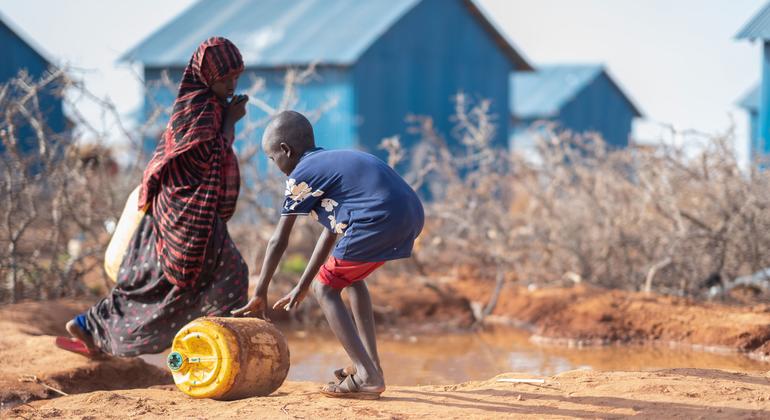
The humanitarian situation in Somalia has deteriorated sharply, with the number of people facing acute food insecurity nearly doubling within a single year. According to the latest analysis from the Integrated Food Security Phase Classification (IPC), a UN-backed monitoring platform, an estimated 6.5 million people in Somalia are now struggling with severe hunger, a staggering increase from the 3.4 million reported during the first quarter of 2025.
This escalation places millions of lives at immediate risk, particularly among the most vulnerable populations. Experts warn that more than 1.8 million children under the age of five are at risk of acute malnutrition between now and June, highlighting a critical window for intervention to prevent widespread illness and death.
The crisis is the result of a perfect storm of environmental failure, persistent conflict, and economic volatility. The failure of the October to December Deyr season rains led to a significant drop in crop production, stripping poor farmers and pastoralists of their primary means of survival. This agricultural collapse has been compounded by soaring food prices—both for local and imported goods—and a concerning reduction in humanitarian assistance.
Currently, over two million people have reached “emergency level” food insecurity, classified as IPC Phase 4. This level of crisis indicates that households are facing high levels of acute malnutrition and are employing emergency coping strategies just to meet basic nutritional needs. The crisis is widespread, impacting pastoral and agropastoral communities across the northern, central, and southern regions of the country.
The Mechanics of Hunger: Understanding the IPC Scale
To quantify the severity of the crisis, humanitarian agencies rely on the IPC food security monitoring platform. This UN-backed initiative uses a standardized scale from one to five to classify the severity of food insecurity, which allows governments and aid organizations to prioritize resources and identify areas at risk of famine.
In the current Somali context, the classification of 6.5 million people in “Phase 3 and above” signifies a critical threshold. Phase 3 (Crisis) indicates significant food consumption gaps, while Phase 4 (Emergency) represents a state where acute malnutrition is rising rapidly and households are experiencing extreme stress. The shift from 3.4 million people in crisis in early 2025 to 6.5 million by February 2026 represents a near-doubling of the affected population in roughly one year.
Drivers of the Current Crisis
The current surge in food insecurity is not the result of a single event but a convergence of several systemic failures. The primary environmental trigger was the failure of the Deyr season rains, which typically occur from October to December. In Somalia, where a vast majority of the population relies on rain-fed agriculture and livestock, the lack of precipitation directly correlates to crop failure and the death of livestock.
:max_bytes(150000):strip_icc()/canaan-dog-white-fur-in-park-765425986-2000-16c867f3454c44a5b6dbf2ba65d8f62e.jpg "Somalia Hunger Crisis Drivers of the Current")
Beyond the weather, instability remains a primary driver of displacement and hunger. Conflict and insecurity in the center, south, and parts of the north—fueled by insurgency and competition over dwindling resources—have disrupted local livelihoods. This violence has forced thousands of people to abandon their farms and herds, turning them into internally displaced persons (IDPs) who are entirely dependent on external aid for survival.
Economic pressures have further eroded the resilience of the Somali people. The cost of both locally produced food and imported staples has soared, making basic nutrition unaffordable for the poorest households. This inflation has occurred simultaneously with a reduction in humanitarian assistance, leaving millions of people without the safety nets required to survive the lean season.
Impact on Vulnerable Populations
The burden of this crisis falls disproportionately on three specific groups: poor farmers, pastoralists, and internally displaced people. For those in the northern, central, and southern regions, the loss of livestock and crops has created a gap in food consumption that cannot be filled by local markets due to high prices.
The most alarming statistic involves the youngest citizens. The projection that more than 1.8 million children under five will face acute malnutrition by June suggests a looming public health catastrophe. Acute malnutrition in early childhood can lead to permanent developmental delays, increased susceptibility to disease, and higher mortality rates if therapeutic feeding and medical care are not provided immediately.
For those in IPC Phase 4, the situation is dire. These individuals are no longer simply “food insecure” but are in a state of emergency, where the lack of food is directly impacting their physical health and survival prospects. The reliance on “emergency coping strategies”—which can include selling off the last of their productive assets or skipping meals for days—indicates a population that has exhausted all other options.
Key Crisis Indicators
- Total Acute Food Insecurity: 6.5 million people (up from 3.4 million in Q1 2025).
- Emergency Level (Phase 4): Over 2 million people.
- Childhood Risk: 1.8 million+ children under five at risk of acute malnutrition by June.
- Primary Triggers: Failed Deyr rains (Oct-Dec), insurgency, and soaring food costs.
- Most Affected: Pastoralists, poor farmers, and internally displaced persons.
What Happens Next
The window for action is closing as Somalia approaches June, the deadline identified by analysts for the peak risk of acute malnutrition among children. Humanitarian agencies are calling for an immediate increase in assistance to counter the reduction in aid that has exacerbated the current hunger levels.
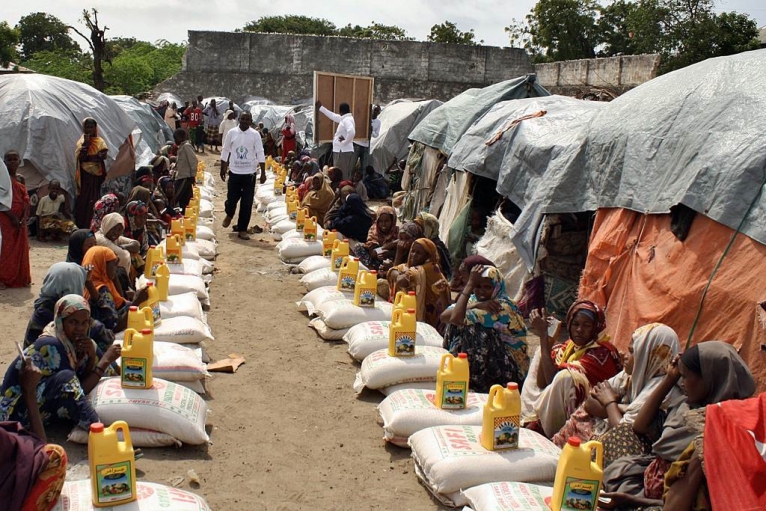
The IPC will continue to monitor the situation, providing updated classifications as the season progresses. The focus for the coming months will be on whether emergency interventions can reach the 2 million people in Phase 4 and the 1.8 million children at risk before the situation transitions from acute food insecurity to full-scale famine.
For those seeking official updates on the humanitarian situation in East Africa, the UN News portal provides the most current data and analysis from the IPC monitoring platform.
World Today Journal encourages readers to share this report to raise awareness of the escalating crisis in the Horn of Africa. We welcome your comments and insights on the global response to food insecurity in the section below.
Worth a look