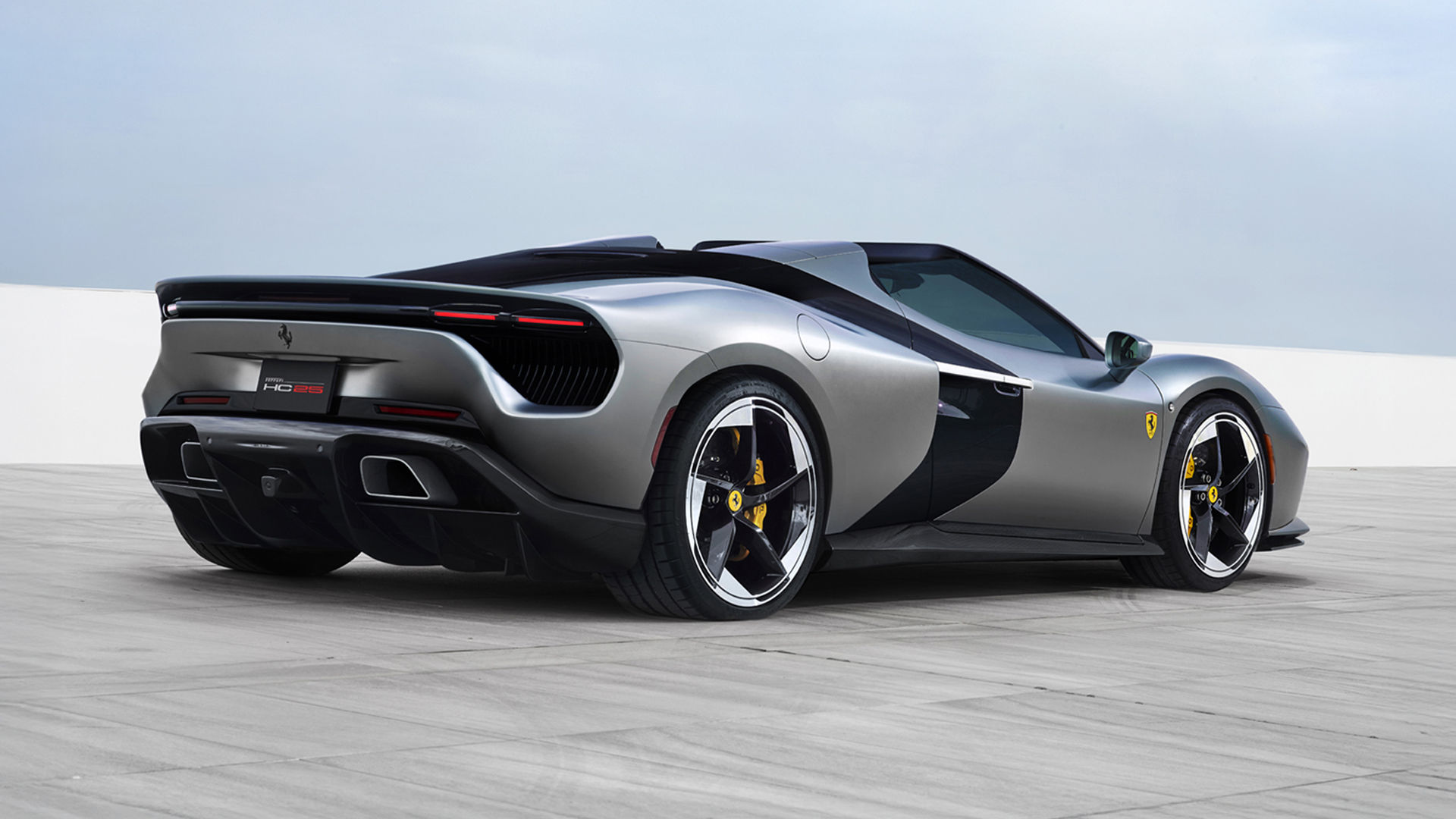
In the rarefied world of automotive collecting, there is a distinction between a limited-edition supercar and a “One-Off.” While the former may be produced in dozens or hundreds, the latter is a singular expression of art and engineering, created for a single individual. Ferrari, the Maranello-based manufacturer, has long mastered this pinnacle of exclusivity through its Special Projects program, and recent intellectual property filings suggest a new addition to this elite stable.
The appearance of a trademark filing for “HC25” has ignited speculation among enthusiasts and industry analysts. While Ferrari rarely comments on bespoke projects until they are unveiled to the public, the registration of a specific name with the World Intellectual Property Organization (WIPO) typically signals the impending arrival of a new model. In the context of Ferrari’s current naming conventions, the “HC25” designation strongly suggests a bespoke creation tailored for a specific client, likely slated for completion or reveal in 2025.
This development highlights the growing importance of the Ferrari Special Projects division. By allowing ultra-high-net-worth individuals to collaborate directly with Ferrari’s designers and engineers, the company has transformed the act of purchasing a car into a comprehensive creative partnership. These vehicles are not merely modified versions of existing models; they are often entirely new coach-built bodies draped over the chassis and powertrain of a current production car.
The Architecture of Exclusivity: Ferrari’s One-Off Program
The Special Projects program operates as a bridge between Ferrari’s heritage of coachbuilding—dating back to the early 20th century—and modern hypercar technology. Unlike the “Icona” series (such as the Daytona SP3), which are produced in very small but multiple numbers, a One-Off is unique. Only one exists in the world, and it is built to the exacting specifications of a single owner.
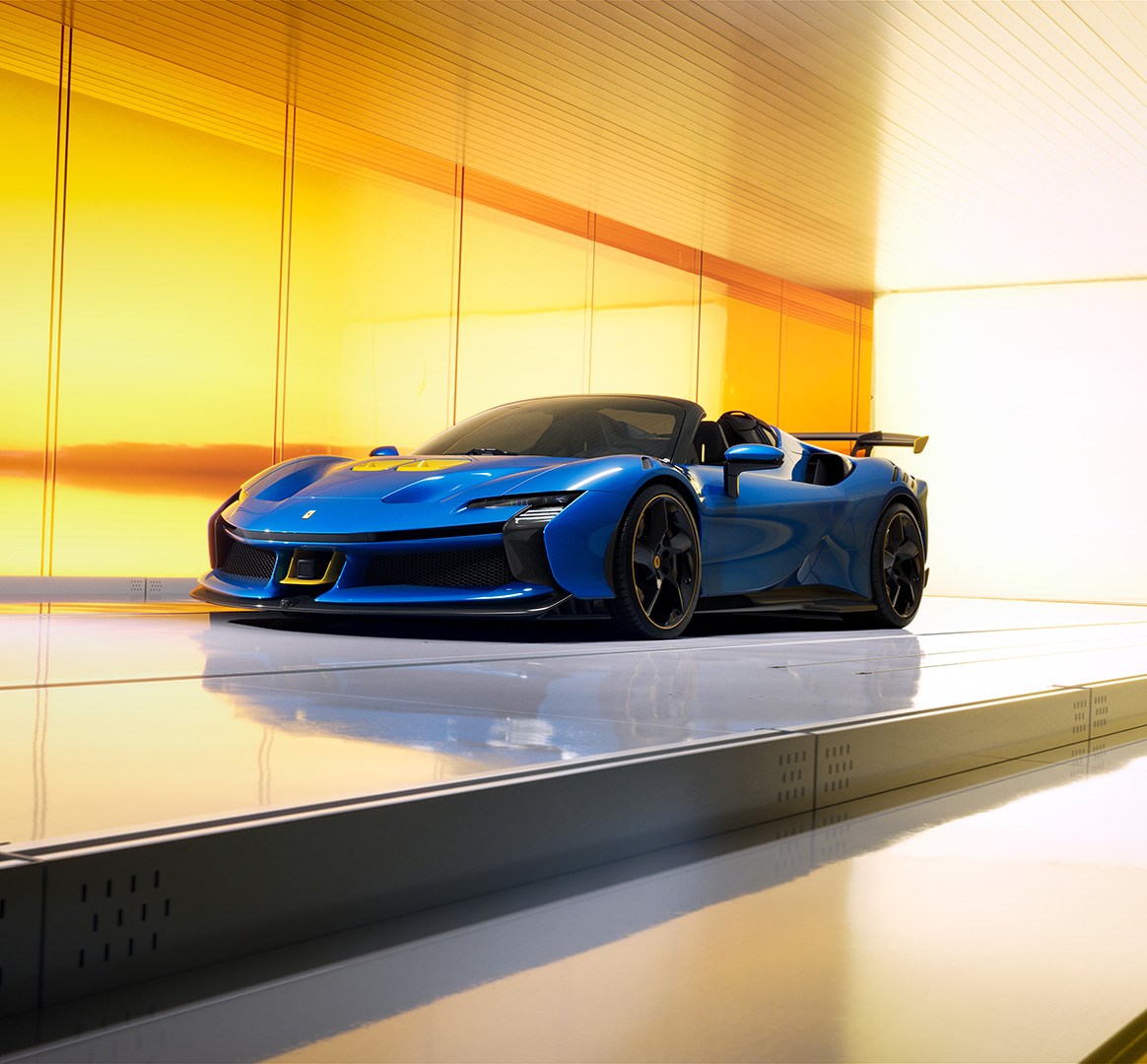
The process begins with a deep dialogue between the client and Ferrari’s design team. The owner provides a vision, and Ferrari’s engineers determine how to realize that vision while maintaining the brand’s rigorous performance and safety standards. This often involves creating a completely new exterior shell, custom interior materials, and unique aerodynamic profiles that distinguish the car from any other vehicle in the Ferrari catalog.
Recent precedents illustrate the trajectory the HC25 may follow. For instance, the SC40—a bespoke roadster based on the 296 chassis—demonstrated Ferrari’s ability to blend contemporary hybrid power with a classic, open-top aesthetic. Similarly, the KC23 showcased a more aggressive, track-inspired design for the road. The HC25 is expected to follow this pattern, utilizing a modern Ferrari platform as its foundation while presenting a visual identity entirely unique to its owner.
Decoding the HC25 Trademark
In the automotive industry, trademarks are the primary breadcrumbs that lead to new releases. The filing of “HC25” follows a specific alphanumeric pattern often seen in Ferrari’s bespoke projects. For example, the “KC” in KC23 often reflects the client’s initials or a specific project code, while the digits typically refer to the year of the project’s inception or completion.
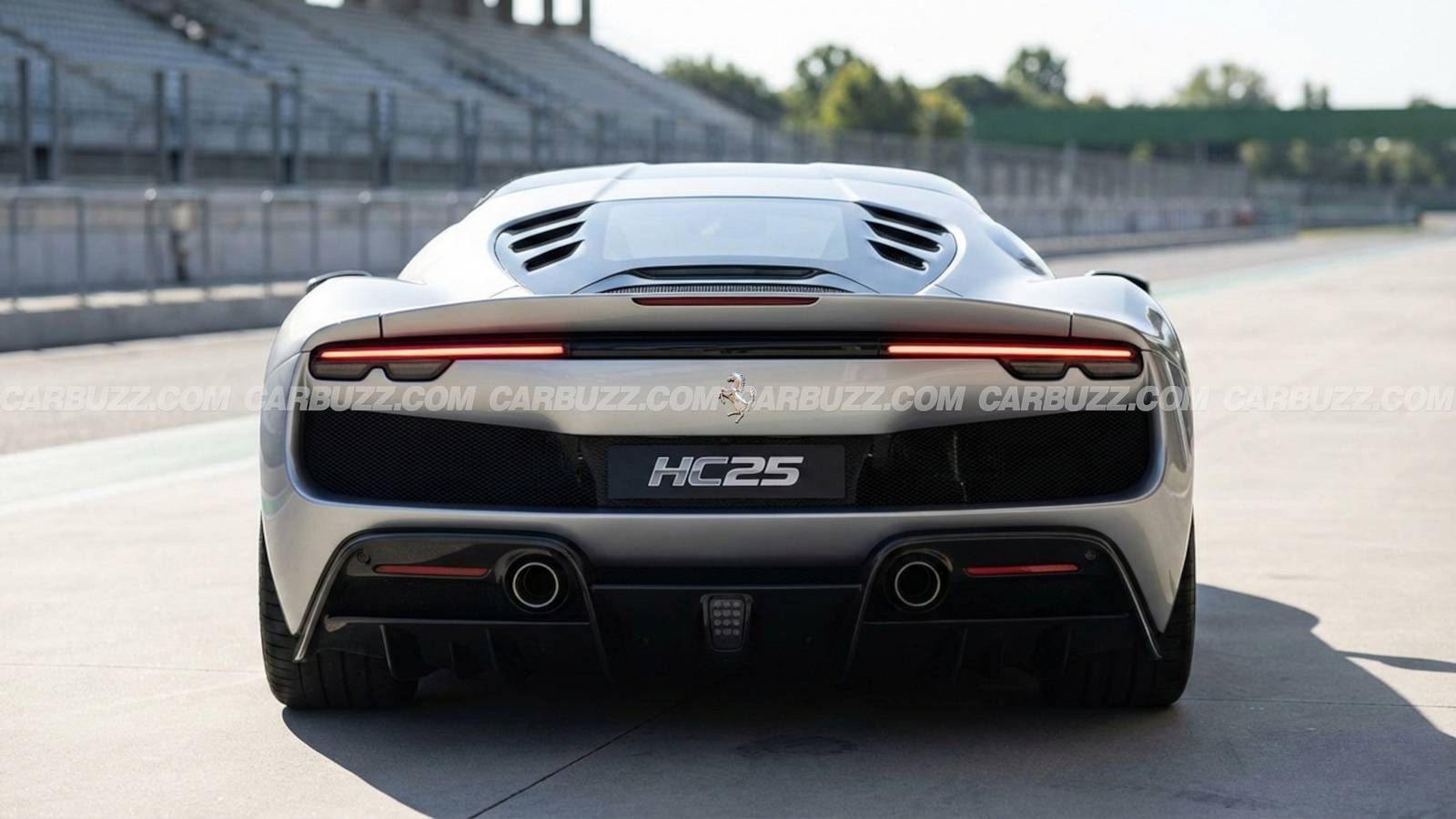
If the “25” in HC25 refers to 2025, it suggests that the vehicle is currently in the design or prototyping phase. Because these cars are developed in absolute secrecy to protect the privacy of the client, the trademark is often the only public evidence of the car’s existence until the official reveal. The “HC” prefix remains a mystery, though it is widely understood within the collector community to be a personalized identifier for the commissioning client.
The legal protection of these names through WIPO ensures that the brand maintains control over the identity of these assets, which often appreciate significantly in value as “works of art” rather than mere transportation. For the owner, the trademark adds a layer of officiality and provenance to their personal commission.
Comparative Context: One-Offs vs. Series Models
To understand the significance of the HC25, it is helpful to distinguish it from other limited Ferrari offerings. While a “Special Series” car is rare, a “One-Off” is an entirely different category of ownership.
| Category | Quantity | Design Process | Purpose |
|---|---|---|---|
| Series Production | Thousands | Standardized | Market Availability |
| Limited Series | Hundreds | Standardized/Customizable | Exclusivity/Performance |
| Icona Series | Dozens | Curated Heritage | Collectibility |
| One-Off (e.g., HC25) | One | Bespoke Collaboration | Personal Expression |
The Impact on the Luxury Market
The proliferation of the Special Projects program reflects a broader shift in the ultra-luxury market. For the world’s wealthiest collectors, owning a rare car is no longer sufficient; they seek “singularly.” The desire is to own something that cannot be replicated, even by another billionaire. This shift has pushed Ferrari to expand its internal capabilities in coachbuilding, effectively reviving a lost art form for the 21st century.
these projects serve as a laboratory for Ferrari. The daring aerodynamic shapes and material experiments conducted for a One-Off often find their way into future series production cars. By pushing the boundaries of design for a single client, Ferrari can test visual languages and technical solutions in a low-risk environment before applying them to a wider range of vehicles.
The HC25, is more than just a car for a wealthy individual; it is a statement of the brand’s agility and its commitment to the highest form of automotive tailoring. As the industry moves toward electrification, the Special Projects division provides a way for Ferrari to maintain its emotional and artisanal connection to the driving experience.
What Happens Next?
Given Ferrari’s history, the HC25 will likely remain a secret until the company chooses to reveal it, often through a curated social media post or a private event. There is no confirmed date for a public unveiling, as the timeline is dictated by the client’s preferences and the completion of the vehicle’s rigorous testing phase.
The next confirmed checkpoint for observers will be the official registration of the vehicle’s VIN (Vehicle Identification Number) and any subsequent press releases from Ferrari’s Maranello headquarters. Until then, the HC25 remains a tantalizing hint at the next chapter of Ferrari’s bespoke legacy.
Do you believe the era of bespoke coachbuilding is returning to the forefront of automotive design? Share your thoughts in the comments below.
Related reading