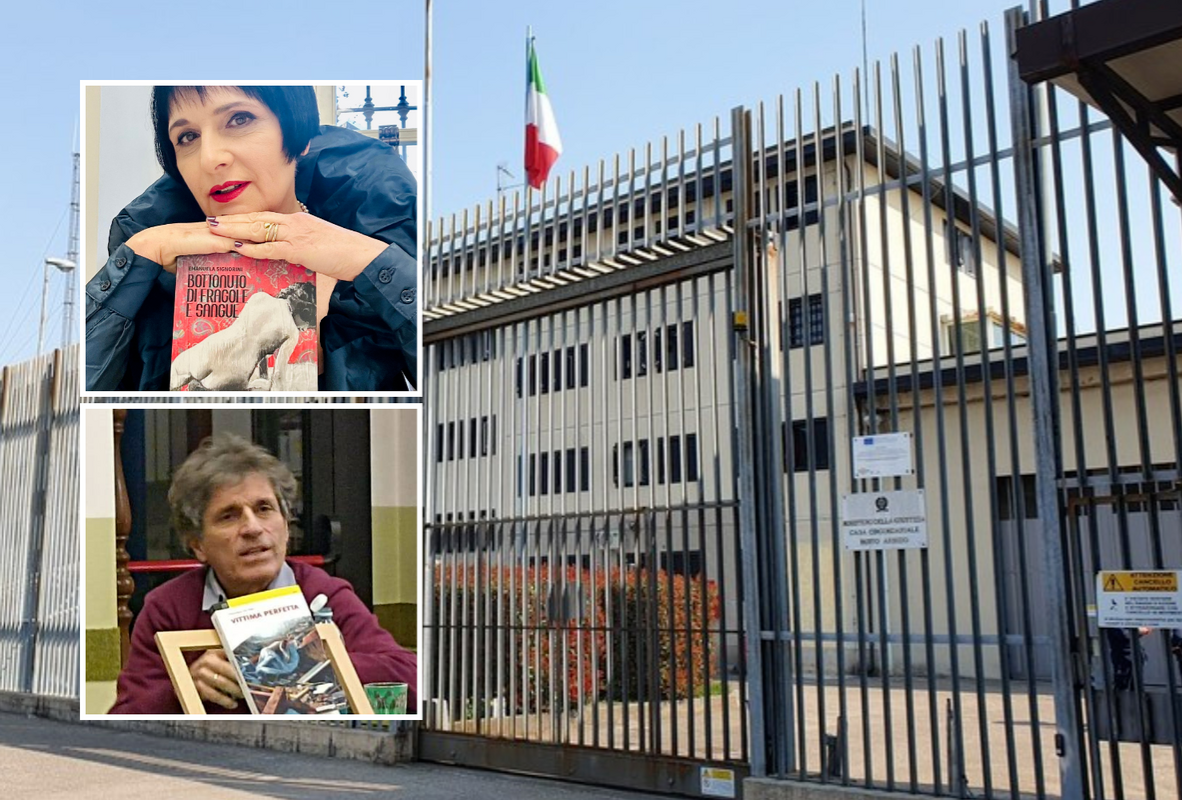
The Power of Culture to Transform Prisons: Theater and Rehabilitation in Busto Arsizio
In a groundbreaking initiative, cultural programs are being introduced within the Busto Arsizio prison in Italy, offering inmates a unique avenue for rehabilitation and self-expression. This effort, spearheaded by various organizations dedicated to social justice and artistic engagement, aims to break down the barriers of incarceration through the transformative power of the arts. A recent performance of a theatrical production, often referred to as “the giallo” – a genre of Italian mystery fiction – marked a significant milestone, representing the first time such a performance has been staged for the prison’s population.
The initiative extends beyond mere entertainment. It’s rooted in a broader commitment to addressing issues like gender-based violence and fostering solidarity, as demonstrated by the involvement of organizations like Futura, led by Stefania Passiu, an attorney. This commitment is reflected in the distribution of a vademecum – a handbook – on gender violence, authored by Passiu, to attendees of related events. The project highlights a growing recognition of the importance of cultural engagement in the rehabilitation process, offering inmates opportunities for reflection, empathy and personal growth.
Bridging Art and Social Responsibility
The Busto Arsizio project, initiated by writer Vilma Dotto in collaboration with the cultural association Futura, recently culminated in a performance of Eduardo De Filippo’s comedy “Ditegli sempre di sì” (Tell Him Yes) by the amateur theater company “I figli di Anna” (The Sons of Anna). The performance, held on October 18, 2024, at the Auditorium Giovanni XXIII in Cassano Magnago, wasn’t solely about artistic expression; a significant portion of the proceeds from ticket sales were donated to the “Un pozzo per la vita” (A Well for Life) Merano missionary group. Malpensa24 reports that this group is actively involved in projects across Africa, focusing on healthcare, professional training, and agricultural development.
The choice of “Ditegli sempre di sì” is particularly noteworthy. De Filippo’s play, a classic of Italian theater, explores themes of deception, family dynamics, and the complexities of human relationships. Bringing this operate to a prison audience provides a unique opportunity for inmates to engage with these themes in a new context, potentially fostering self-reflection and promoting constructive dialogue. The play’s director, Giosuè Andreozzi, aimed to create an experience that resonated with the inmates, offering both entertainment and a catalyst for personal growth.
The Broader Context: Theater as a Tool for Social Change
The use of theater as a tool for social change, particularly in addressing sensitive issues like gender-based violence, is gaining momentum globally. “Rosso sipario: il teatro contro la violenza di genere” (Red Curtain: Theater Against Gender Violence), a recent event held in Rome in November 2024, showcased performances and discussions focused on combating gender violence, coinciding with the International Day for the Elimination of Violence Against Women. This event, held at the Teatro di Tor Bella Monaca, featured the play “Mercoledì delle Ceneri” (Ash Wednesday) and provided free workshops on preventing gender-based violence.
research suggests that theatrical interventions can be particularly effective in engaging young people in discussions about sensitive topics. A report by Alleyoop, published by Il Sole 24 Ore in April 2024, highlights how theater can help adolescents recognize and address issues related to gender equality and violence. The article details how theatrical performances can spark critical thinking and encourage open conversations about challenging societal norms. For example, the M.a.s.c. Organization uses theater to facilitate discussions about domestic violence, even allowing audiences to “rewrite” the endings of tragic stories, imagining alternative outcomes where victims receive support and justice.
Impact and Future Directions
The initiative in Busto Arsizio, and similar programs across Italy, represent a shift in approach to incarceration, moving beyond traditional punitive measures towards a more rehabilitative model. By providing inmates with opportunities for cultural engagement, these programs aim to foster empathy, promote personal growth, and reduce recidivism rates. The distribution of resources like Stefania Passiu’s vademecum on gender violence further underscores the commitment to addressing societal issues and promoting positive change.
The success of these initiatives hinges on continued collaboration between cultural organizations, prison authorities, and community groups. Vilma Dotto’s involvement, alongside her previous work on children’s literature like “Per poter continuare a sognare” (To Continue Dreaming) and her upcoming poetry collection “Poeticamente. Da madre in figlia” (Poetically. From Mother to Daughter), demonstrates the power of art to connect with diverse audiences and inspire hope. The ongoing commitment to providing cultural experiences within prisons is a testament to the belief that even within the confines of incarceration, the human spirit can flourish and contribute to a more just and equitable society.
The next step for the Busto Arsizio program will likely involve evaluating the impact of the initial performance and planning future cultural events. Prison authorities and Futura are expected to assess inmate feedback and explore opportunities to expand the program to include workshops, art therapy sessions, and other creative activities. The long-term goal is to create a sustainable model for cultural rehabilitation that can be replicated in prisons across Italy.
What are your thoughts on the role of the arts in prison rehabilitation? Share your comments below and let us understand how you think cultural programs can best support inmates and promote positive change.
Worth a look