
The reveal trailer for Stellar Blade: Blood Rain has ignited a firestorm of online criticism, with viewers pointing to visual artifacts and inconsistencies that some characterize as evidence of generative AI usage. As players and digital artists scrutinize the promotional footage, the discourse surrounding the role of artificial intelligence in high-end game development has intensified, highlighting a growing tension between studio production standards and community expectations regarding human-made artistry.
For many observers, the primary concern lies in the texture, lighting, and anatomical details presented in the trailer. Critics have specifically cited elements that they describe as looking like “AI slop,” a colloquial term for output produced by generative models that often retains tell-tale signs of algorithmic processing, such as blurred edges, nonsensical background geometry, or inconsistent character rendering. This debate arrives at a time when the gaming industry is increasingly navigating the legal and ethical complexities of integrating generative tools into creative workflows, as noted in recent reports on federal oversight of artificial intelligence and its impact on market transparency.
The Debate Over Visual Integrity in Gaming
The skepticism directed at Stellar Blade: Blood Rain mirrors broader anxieties in the entertainment sector. When promotional trailers—often the first point of contact between a developer and its audience—display visual quality that deviates from expected hand-crafted standards, fans have become increasingly vocal. The accusation of using generative AI is not merely about the technology itself, but about the perceived “devaluation” of traditional digital art pipelines.
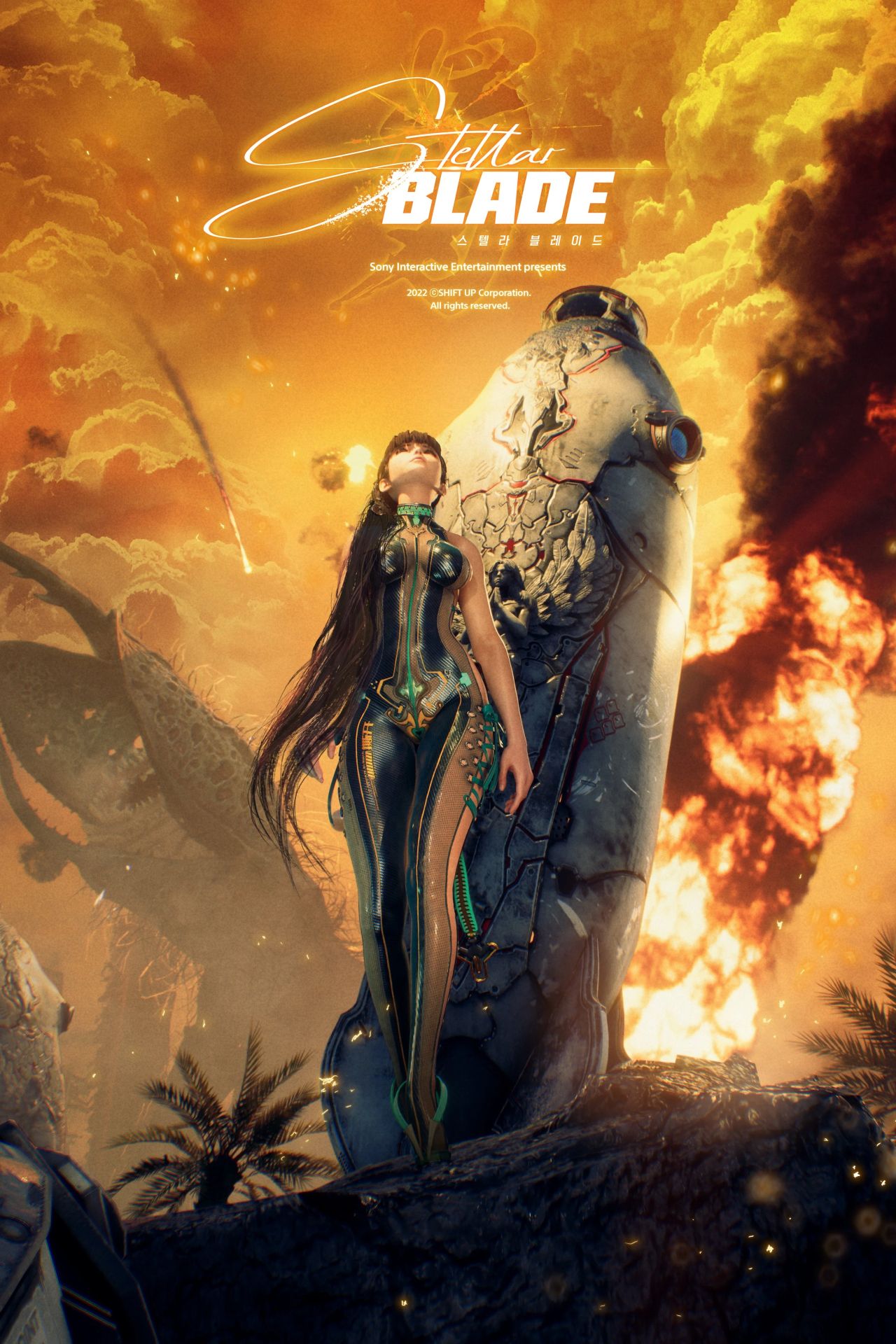
While industry leaders often argue that AI tools can assist in rapid prototyping, the public reaction to the Blood Rain trailer suggests a threshold of tolerance that is rapidly shrinking. When users detect what they perceive as AI-generated assets, the fallout often manifests as a loss of consumer trust. This skepticism is compounded by the fact that major platforms and developers have yet to establish a universal standard for disclosing the use of AI in marketing materials, leaving audiences to rely on their own visual analysis to identify potential machine-generated content.
Industry Standards and Artistic Transparency
The question of “what happens next” for projects like Stellar Blade: Blood Rain depends heavily on how the development team addresses the community’s feedback. Historically, when studios face accusations of using unauthorized or machine-generated content, they often respond with technical clarifications or, in some cases, revisions to the assets in question. However, without official statements regarding the specific pipeline used for the trailer, the speculation continues to circulate across social media and gaming forums.

Transparency is now a significant factor in how games are received at launch. According to guidelines discussed by the U.S. Copyright Office regarding the registration of works containing AI-generated material, the legal landscape is still evolving. This uncertainty impacts not only the developers but also the digital artists who fear their work is being used to train models that could eventually replace them. For the audience, the demand for clarity has become a form of consumer advocacy, as players express a preference for games that highlight the human effort behind the code and design.
What This Means for Future Game Marketing
The reaction to the Blood Rain trailer serves as a case study for future marketing campaigns. Studios are finding that the “uncanny valley” effect—long a hurdle in 3D animation—is being exacerbated by generative tools that may not yet be capable of producing consistent, high-fidelity results under close scrutiny. As the industry moves forward, the pressure to maintain “human-made” branding is likely to grow, potentially forcing developers to be more explicit about their production processes.

For now, the conversation remains centered on visual analysis and community consensus. As players continue to dissect the trailer, the lack of an official response from the developers leaves the door open for continued debate. The next confirmed checkpoint for the project will be the release of subsequent trailers or developer updates, which will likely be scrutinized even more heavily for signs of automated assistance.
We invite our readers to share their thoughts on the balance between technological innovation and traditional artistry in the comments section below. How much does the use of generative tools influence your interest in a new title? Stay tuned to World Today Journal as we continue to track developments in this evolving story.
- SK Chairman Chey Tae-won Ordered to Pay 944 Billion Won in Divorce Asset Split
- The Walking Dead: Dead City Season 3 Premiere – Everything We Know About the New Season
- South Africa’s Public Investment Corporation Faces Governance Crisis Amid CEO Suspension (time.news)
- Security Measures Deployed in AJK Ahead of Elections Over Allegations of Electoral Irregularities (newsdirectory3.com)