
As project management requirements shift toward more complex, data-driven environments, many organizations are reevaluating their reliance on spreadsheet-based workflows. Choosing the 8 best Smartsheet alternatives and competitors in 2026 requires balancing specific operational needs—such as resource capacity planning, financial visibility, and portfolio-level intelligence—against the limitations of traditional list-based task tracking. Finding the right software depends on whether your team prioritizes visual workflow automation, enterprise-grade scalability, or budget-friendly usability.
For project managers overseeing large-scale portfolios, the primary challenge often lies in moving beyond simple task lists. While spreadsheet-style tools provide a familiar interface, they frequently lack the native depth required for real-time financial tracking and complex resource management. Modern project management software markets are currently valued at approximately $15.8 billion, with a projected compound annual growth rate of 13.7% through 2030, according to industry analysis. This growth is driven by a demand for integrated tools that offer AI-powered scheduling and predictive risk alerts, features that have become essential for maintaining competitive project delivery timelines.
Evaluating Alternatives for Enterprise and Team Workflows
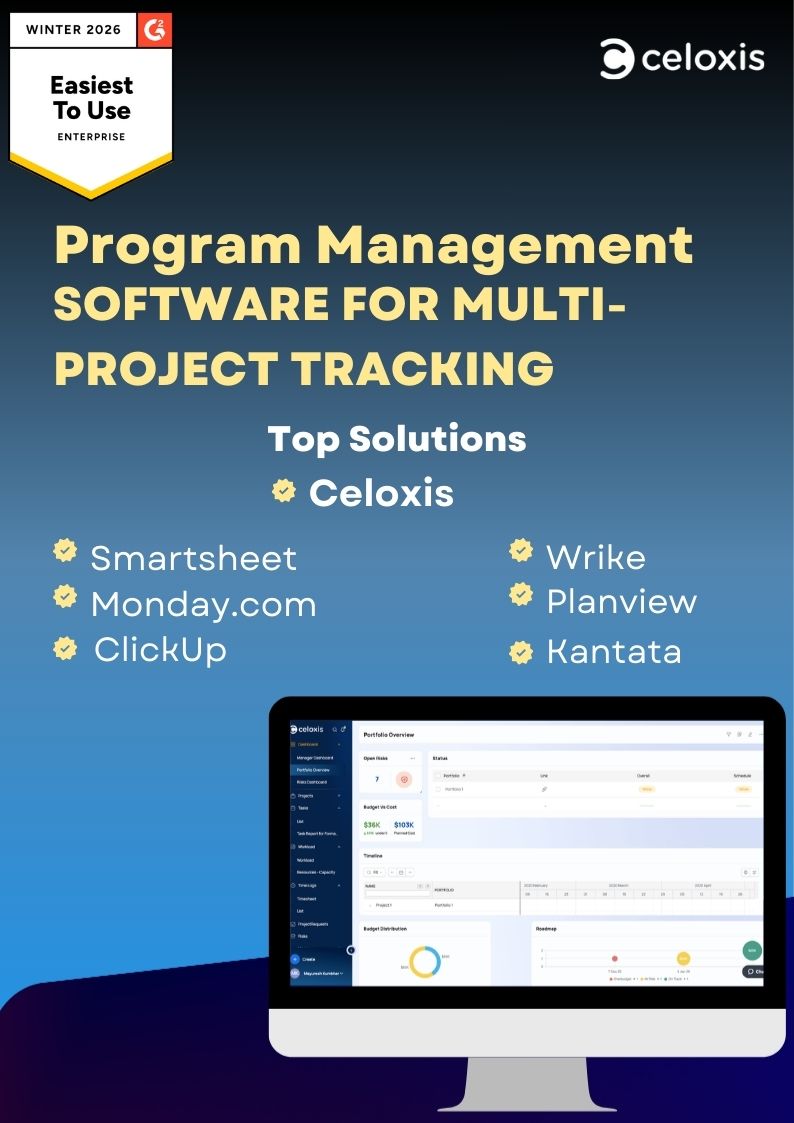
When selecting a platform, it is helpful to categorize tools by their primary strengths. For enterprise-level portfolio management, tools like Celoxis and Triskell are often cited for their focus on resource and budget management at scale. These platforms are designed to address the gaps inherent in tools that treat resource planning as an auxiliary feature rather than a core functional requirement. For teams prioritizing visual collaboration and cross-departmental alignment, Monday.com remains a prominent choice, emphasizing intuitive interfaces and workflow automation.
For professional services firms and agencies, platforms such as Wrike and Teamwork are frequently utilized to handle the complexities of client-facing project delivery and billing. These tools provide specialized features that allow managers to track billable hours against project milestones directly within the platform. Meanwhile, for teams that require a clean, task-driven user experience, Asana remains a standard for organizations looking to streamline internal communication and task accountability without the overhead of complex, spreadsheet-heavy configurations.
Balancing Cost and Functionality
The transition away from Smartsheet is often motivated by a need for different pricing models or specific feature sets that better align with team size. For organizations sensitive to budget constraints, platforms like ClickUp and Zoho Projects offer distinct advantages. ClickUp is often highlighted for providing a broad feature set aimed at budget-conscious teams, while Zoho Projects is frequently chosen by organizations already integrated into the Zoho ecosystem, allowing for seamless data flow between project management and other business applications.
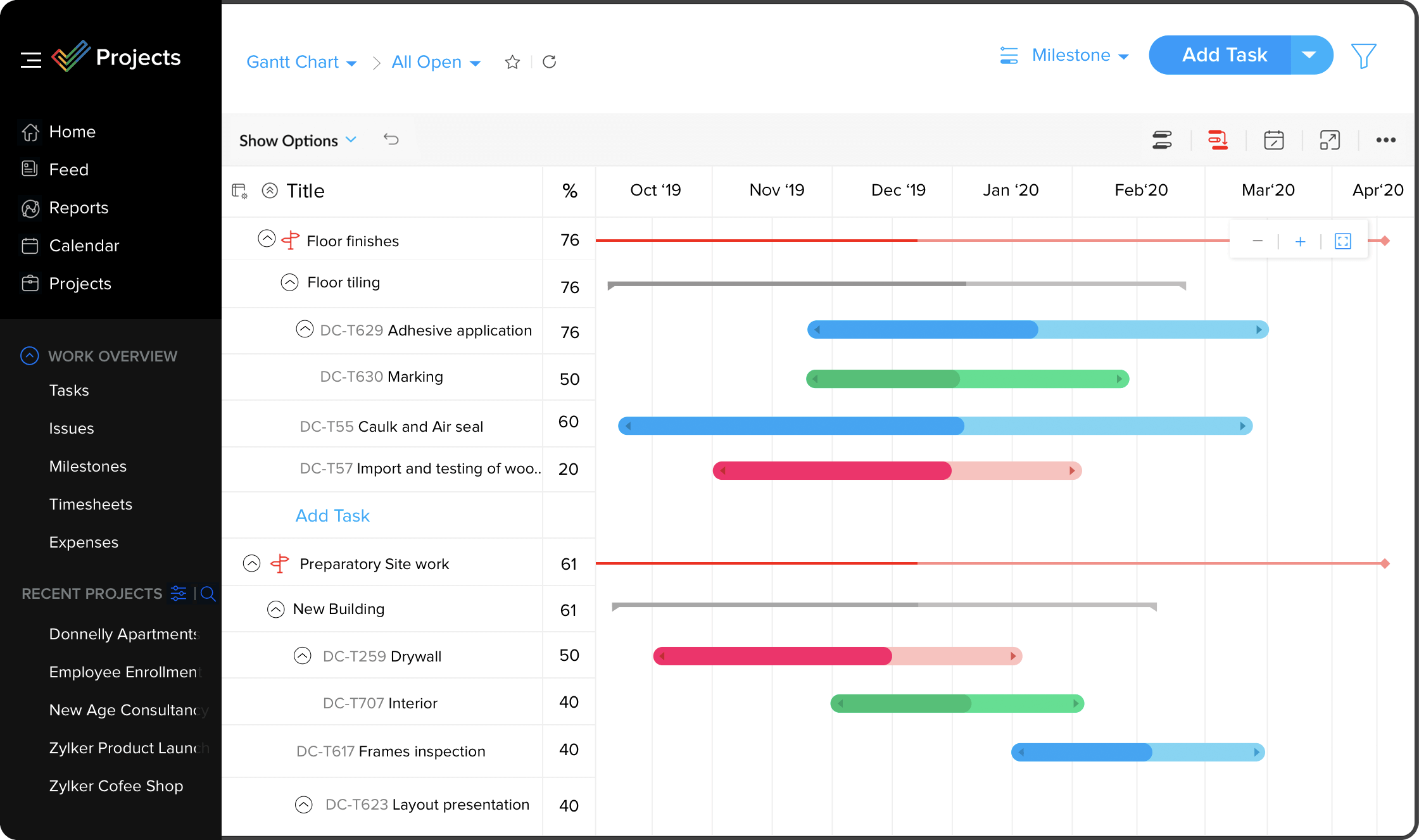
When assessing these alternatives, consider your team’s specific operational bottlenecks. If your primary pain point is reporting and analytics, platforms like Hive may offer more robust native dashboards. For teams prioritizing extreme customization, Airtable provides a flexible structure that allows for the creation of unique databases and workflows. Basecamp, by contrast, continues to serve teams looking for a centralized hub that simplifies project communication and file sharing, focusing on ease of use over complex reporting features.
Strategic Considerations for Project Managers
Selecting the right software is rarely about finding a single tool that satisfies every requirement, but rather identifying the platform that reduces the need for manual workarounds. Research indicates that 77% of high-performing projects utilize dedicated project management software, and teams using enterprise-grade tools report completing projects 3.4 times more frequently on time compared to those relying on basic or unintegrated solutions. The decision-making process should involve a clear audit of your current resource capacity planning and financial reporting needs.
Before committing to a new platform, it is advisable to conduct a pilot phase. Test how well the potential software integrates with your existing tech stack and whether your team can adapt to the new interface without a significant productivity dip. Ensure that your chosen tool provides the level of portfolio-level intelligence your stakeholders expect, as the ability to generate real-time reports often dictates the success of a transition. As the project management software market continues to evolve, keeping an eye on updates regarding AI-integrated scheduling and automated risk forecasting will be critical for maintaining long-term operational efficiency.
Future updates to software features and pricing structures are expected throughout the remainder of 2026. For the most current information, project managers should monitor official vendor announcements and attend upcoming industry webinars on digital transformation in project management. We encourage our readers to share their experiences with these platforms in the comments section below to help your peers navigate their own software selection process.
Related reading