
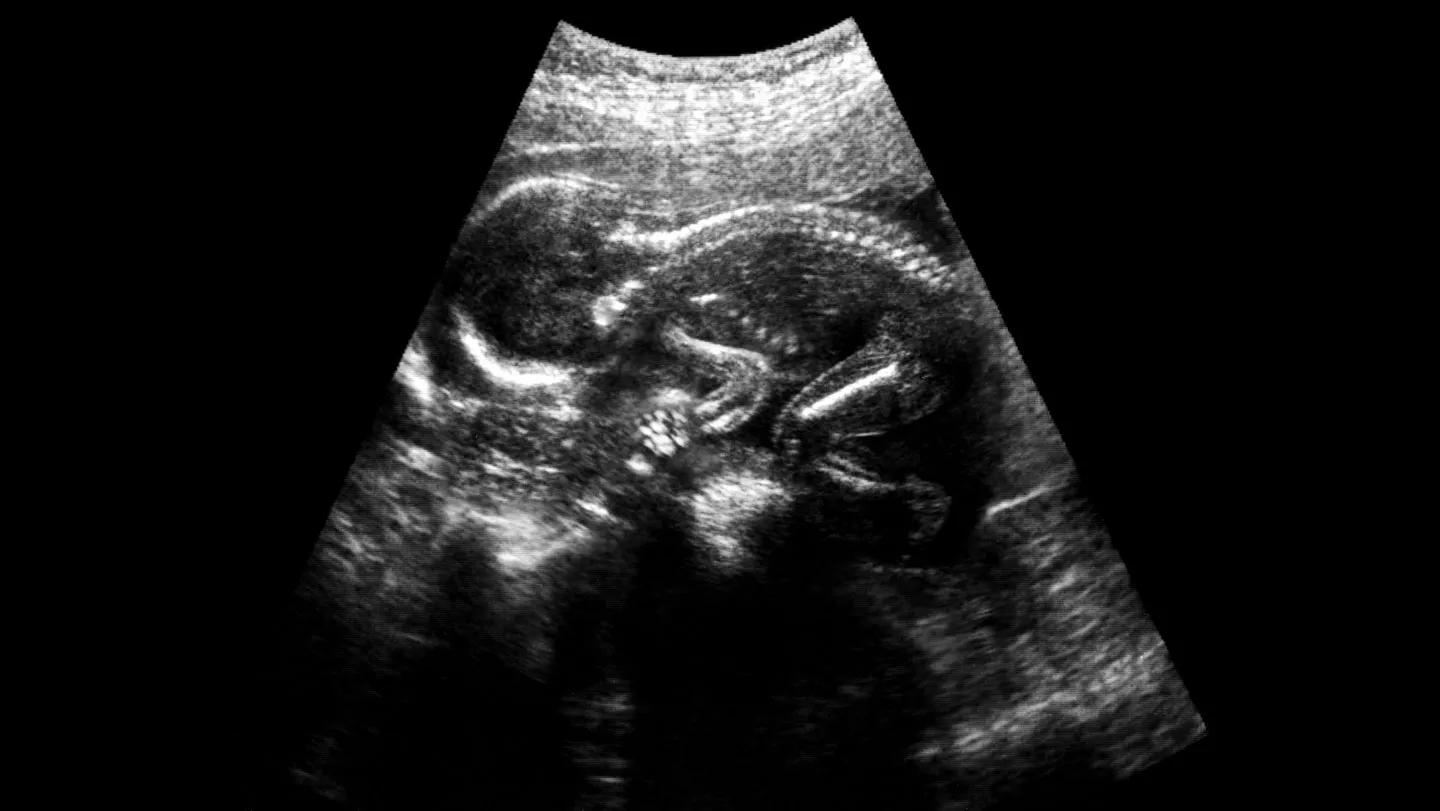
For parents receiving a prenatal diagnosis of spina bifida, the news often brings a whirlwind of anxiety and uncertainty. The condition, specifically the severe form known as myelomeningocele, occurs when the spinal column fails to close completely during early development, leaving the spinal cord and nerves exposed. While fetal surgery has long been a tool to mitigate some of the lifelong challenges associated with the condition, a pioneering approach is now adding a biological boost to the surgical repair.
Researchers at UC Davis Health have developed a landmark treatment that combines traditional fetal surgery with the application of stem cells. This approach, known as the prenatal surgery for spina bifida stem cells initiative—formally the CuRe Trial—aims not only to close the physical opening in the spine but to actively protect and regenerate the damaged neural tissue. Recent findings indicate that this combined therapy is safe for patients, marking a critical milestone in fetal medicine.
As a physician and journalist, I have followed the evolution of regenerative medicine with great interest. The transition from laboratory success in animal models to human clinical trials is often the most perilous stage of medical innovation. However, the results from the CuRe Trial suggest that we are entering a recent era where surgery does not just stop further damage, but potentially begins the process of healing before a child is even born.
The CuRe Trial: Merging Surgery and Cellular Therapy
The “CuRe Trial: Cellular Therapy for In Utero Repair of Myelomeningocele” represents the world’s first attempt to integrate stem cell therapy directly into the surgical repair of spina bifida. In standard fetal surgery, surgeons operate on the fetus in utero to close the lesion on the back, which helps protect the spinal cord from the caustic effects of amniotic fluid and reduces the risk of infection.

The CuRe Trial takes this a step further by introducing placenta-derived mesenchymal stem cells (PMSCs) to the exposed spinal cord during the repair. These cells are generated from donated placental tissue, making them a versatile and accessible resource for treatment. The goal is to leverage the biological properties of these stem cells to safeguard neurons from injury and encourage the growth of new neural connections.
This dual-action approach addresses two distinct problems: the structural defect (the hole in the spine) and the biological damage (the injured nerves). By treating both simultaneously, researchers hope to improve outcomes regarding movement and continence, which are two of the most significant challenges faced by children born with myelomeningocele.
The Science of Placenta-Derived Stem Cells
To understand why stem cells are being used it is necessary to look at the specific type of cell employed. Placenta-derived mesenchymal stem cells (PMSCs) are not intended to “replace” the spinal cord in a literal sense. Instead, they act as biological factories. When applied to the injured site, these cells release growth factors and anti-inflammatory molecules that create a supportive environment for the existing neurons.

In preclinical studies, these cells demonstrated a remarkable ability to protect neurons from the secondary damage that typically follows the initial birth defect. By reducing inflammation and promoting a “pro-growth” environment, the PMSCs help the fetal nervous system maintain more of its function than would be possible with surgery alone.
The leadership of the trial, including pediatric surgeon Dr. Diana Farmer and biomedical scientist Dr. Aijun Wang, focused on ensuring that these cells could be delivered safely without interfering with the surgical closure of the spine or causing adverse reactions in the developing fetus. The use of placental tissue is particularly advantageous because it is naturally compatible with fetal environments and can be scaled for clinical use.
Safety Results and Trial Outcomes
The most recent phase of the study focused primarily on safety—the essential first step in any new medical intervention. A small clinical trial involving six pregnant women was conducted to determine if the application of stem cells during fetal surgery posed any undue risk to the mother or the fetus.
The results, published in The Lancet, confirmed that the therapy is safe. The study found no significant adverse events linked specifically to the stem cell administration, indicating that the fetal spinal cord can tolerate the introduction of PMSCs during the surgical repair process. This finding is a prerequisite for larger trials that will eventually determine if the therapy significantly improves the child’s long-term motor functions.
While the safety data is encouraging, the medical community remains cautious regarding efficacy. Because the trial was small, it was designed to prove that the procedure could be done safely, not necessarily that it will cure the condition. Evaluating the efficacy of the treatment requires long-term tracking of the children as they reach developmental milestones related to walking and bladder control.
Key Takeaways from the CuRe Trial
- Combined Approach: The treatment merges traditional fetal surgery with the application of placenta-derived mesenchymal stem cells (PMSCs).
- Safety Milestone: A small-scale trial of six participants demonstrated that the addition of stem cells to the surgical procedure is safe for both mother and fetus.
- Biological Goal: The stem cells are used to protect existing neurons and stimulate growth, rather than simply closing the physical spinal defect.
- Institutional Leadership: The research is being led by UC Davis Health, combining expertise in pediatric surgery and biomedical science.
What This Means for the Future of Fetal Medicine
The success of the safety phase of the CuRe Trial opens the door for a broader application of cellular therapies in utero. For decades, fetal surgery was viewed as a “damage control” measure—a way to prevent the condition from getting worse. The introduction of stem cells shifts the paradigm toward “regenerative” fetal surgery, where the goal is to actively improve the biological state of the organ being repaired.
This development has implications beyond spina bifida. If stem cells can be safely delivered to a fetal spinal cord, similar techniques might eventually be applied to other prenatal conditions involving neural tube defects or other congenital injuries. The ability to intervene during the window of peak fetal plasticity—when the body is naturally geared toward growth and repair—offers a therapeutic advantage that is impossible to replicate after birth.
However, it is key for families to understand that this is still an experimental treatment. The transition from a safety trial to a standard-of-care procedure involves rigorous testing, larger patient cohorts, and years of follow-up data. The current focus is on determining the optimal dose of stem cells and the precise timing of the application to maximize the functional recovery of the child.
Navigating the Path Forward
For families currently facing a spina bifida diagnosis, the availability of such trials provides a glimmer of hope, but also requires careful navigation. Fetal surgery is a high-risk procedure that requires specialized multidisciplinary teams, including maternal-fetal medicine specialists, pediatric neurosurgeons, and neonatologists.
Those interested in the latest developments or looking for clinical trial opportunities should consult with their healthcare providers and look toward official institutional registries. UC Davis Health continues to provide information for those seeking to understand the eligibility requirements for the CuRe trial and other similar research initiatives.
The next critical checkpoint for this research will be the release of long-term follow-up data on the initial participants. These results will provide the first real evidence of whether the addition of stem cells leads to a measurable increase in motor function and a decrease in the need for subsequent surgeries after birth.
Do you have questions about the future of regenerative medicine or fetal surgery? We invite you to share your thoughts and experiences in the comments below or share this article with others who may find this information helpful.