Stem Cell Transplantation Shows Promise in Reversing Stroke damage: A New Era in Brain Repair
Stroke is a leading cause of long-term disability, affecting approximately one in four adults during their lifetime. Often resulting in paralysis,speech impairment,and other debilitating conditions,stroke occurs when blood supply to the brain is interrupted,leading to irreversible brain cell death. Currently, there are limited therapeutic options to repair the damage caused by stroke. Though, groundbreaking research from the University of Zurich (UZH) is offering a beacon of hope: stem cell transplantation may hold the key to regenerating damaged brain tissue and restoring lost function.
The Potential of Neural Stem Cells
For years, scientists have recognized the regenerative potential of neural stem cells – cells capable of developing into various types of brain cells. A recent series of studies, led by Christian Tackenberg, Scientific Head of Division in the Neurodegeneration Group at UZH Institute for Regenerative Medicine, and postdoctoral researcher Rebecca Weber, in collaboration with researchers at the University of Southern California, has provided compelling evidence of their efficacy.
“Our findings show that neural stem cells not only form new neurons, but also induce other regeneration processes,” explains Tackenberg, highlighting the multifaceted benefits observed in their research. This goes beyond simply replacing lost cells; it’s about stimulating the brain’s own healing mechanisms.
How the Research Works: A Detailed Look
The research team utilized human neural stem cells derived from induced pluripotent stem cells (iPSCs). iPSCs are particularly valuable because they can be created from readily available human somatic cells, offering a perhaps limitless source of regenerative material.
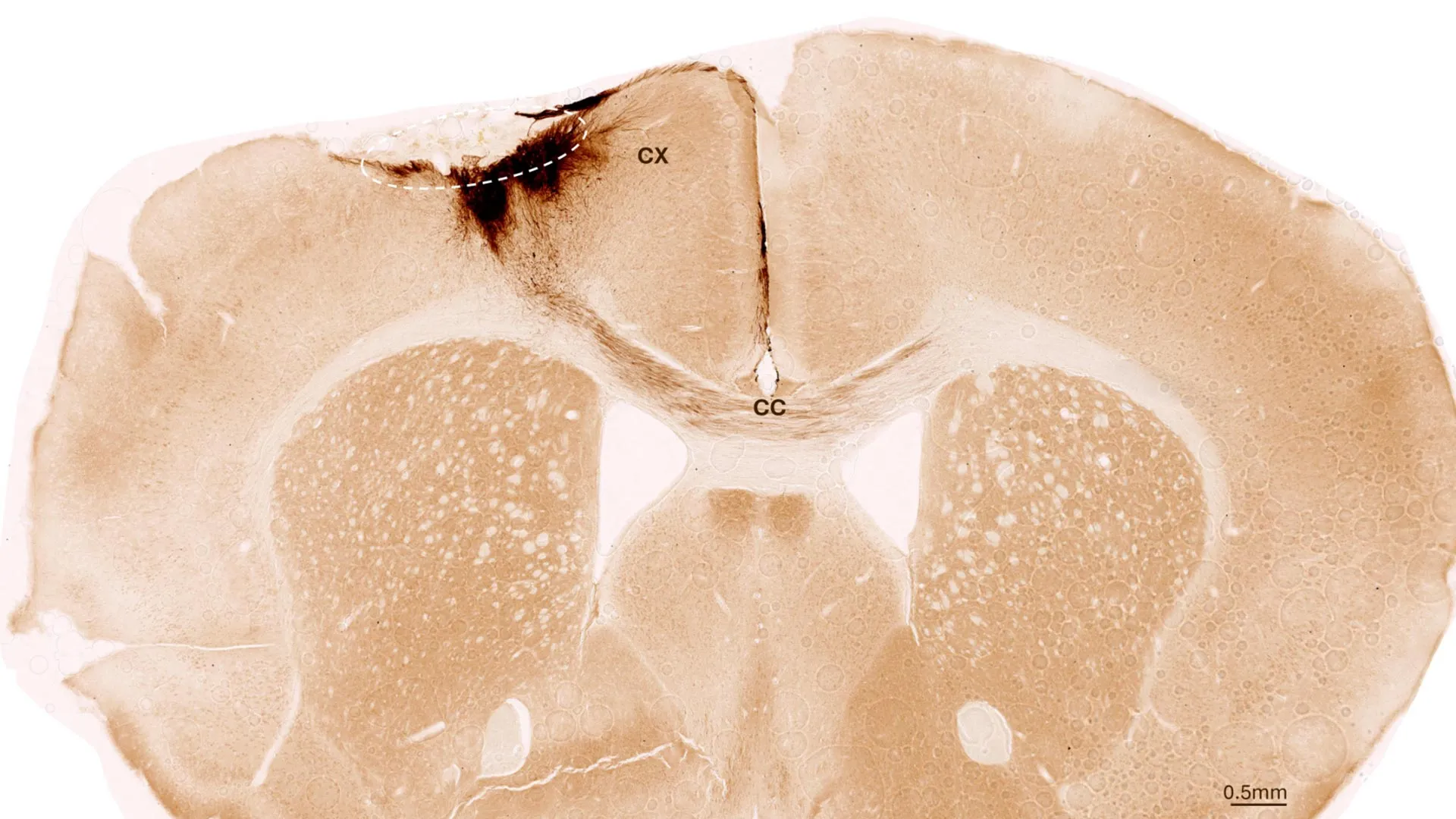
To mimic the human condition, the researchers induced stroke in mice, carefully replicating the characteristics of stroke in humans. These mice were genetically modified to prevent rejection of the human stem cells.One week post-stroke,the neural stem cells were transplanted into the injured brain region.
Over a five-week period,the team meticulously monitored the effects using advanced imaging and biochemical techniques. The results were remarkable:
* Stem Cell Survival & Integration: The transplanted stem cells survived and, crucially, differentiated into functional neurons that established dialog with existing brain cells.
* Neurovascular Regeneration: The research revealed the formation of new blood vessels, vital for delivering oxygen and nutrients to the recovering tissue.
* reduced Inflammation: Stem cell transplantation demonstrably reduced inflammatory processes, a key factor in secondary brain damage following stroke.
* Blood-Brain Barrier Restoration: The integrity of the blood-brain barrier – a protective layer surrounding the brain – was improved, further supporting a healthy recovery habitat.
* Motor Function Recovery: Most considerably, the stem cell transplantation reversed motor impairments caused by the stroke, as confirmed by AI-assisted gait analysis.
Moving Towards Clinical Request: Addressing Key Challenges
Tackenberg’s team has been strategically focused on translating these findings into clinical reality. A critical step has been developing a robust and safe method for stem cell production. In collaboration with the Center for iPS Cell Research and Application (CiRA) at Kyoto University, they have established a protocol for manufacturing stem cells without using animal-derived reagents – a crucial requirement for human therapeutic applications.
Furthermore, the research revealed a surprising, yet valuable, insight: stem cell transplantation is more effective when administered a week after stroke induction. This timeframe provides a valuable window for therapy readiness and implementation in a clinical setting.
Future Directions & Ongoing Research
While these results are incredibly promising, Tackenberg emphasizes the need for continued research. “We need to minimize risks and simplify a potential application in humans,” he states. Current efforts are focused on:
* Safety Switch Development: Creating a “safety switch” system to prevent uncontrolled stem cell growth within the brain.
* Endovascular Delivery: Developing a less invasive delivery method – injecting stem cells directly into the brain via blood vessels - eliminating the need for complex brain grafts.
The field is already seeing progress. initial clinical trials utilizing iPSC-derived cells to treat Parkinson’s disease are underway in Japan, paving the way for potential stroke trials. “Stroke could be one of the next diseases for which a clinical trial becomes possible,” Tackenberg confidently predicts.
A New Hope for Stroke Survivors
this research represents a important leap forward in our understanding of brain repair and offers a tangible hope for millions of stroke survivors worldwide. By harnessing the regenerative power of stem cells, we may be on the cusp of a new era in treating – and potentially reversing – the devastating effects of stroke.
Related reading