
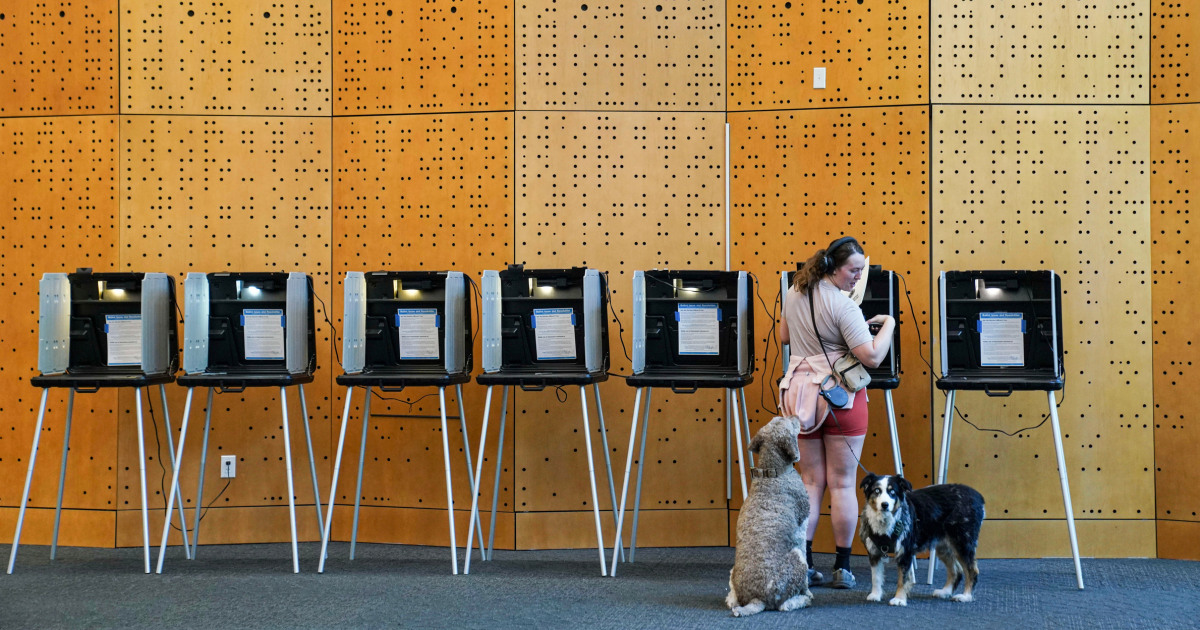
Colorado voters head to the polls tonight for a series of primary elections that serve as a critical temperature check for the Democratic Party’s established leadership. As ballots are counted, political analysts are watching closely to see whether insurgent candidates or mainstream party favorites gain the upper hand in key congressional districts, potentially signaling broader shifts in the party’s ideological direction ahead of the November general election.
The outcomes in Colorado are among the most closely scrutinized of the current election cycle. According to the Colorado Secretary of State’s office, which oversees the administration of state and federal elections, the primaries include races for congressional seats that could influence the balance of power in the U.S. House of Representatives. These contests serve as a testing ground for how effectively establishment-backed candidates can fend off primary challengers who advocate for more progressive policies.
The Stakes for Democratic Party Leadership
For national observers, the primary results in Colorado provide insight into the current political appetite of the Democratic base. In recent cycles, the party has navigated internal friction between moderate incumbents and challengers who represent the party’s left wing. The performance of these candidates tonight will offer data on whether voters prioritize institutional experience or a change in political direction.
The Denver Post reports that voter turnout and the demographics of the electorate will be essential metrics for analysts assessing the strength of party machinery. Because Colorado conducts its elections primarily by mail, election officials have been processing ballots for weeks. While some preliminary results are expected tonight, the final tallies in close races may take longer to confirm as officials verify signatures and process remaining ballots in accordance with state law.
Understanding the Primary Process in Colorado
Colorado utilizes a semi-open primary system, which impacts how candidates campaign and how voters participate. Unaffiliated voters, who represent the largest segment of the state’s electorate, are permitted to participate in either the Democratic or Republican primary, but not both. This structure forces candidates to appeal to a broader cross-section of the electorate rather than relying solely on the most active members of their respective parties.
According to the Colorado Politics news outlet, this unique electorate dynamic often benefits candidates who can frame their platforms around issues that resonate with independent voters, such as cost-of-living concerns, housing affordability, and public safety. These issues have dominated the legislative discourse in the state capital and are expected to remain central to the general election campaigns that follow these primary results.
What Happens Next
Once the polls close and the initial tallies are reported, the focus will shift to the certification of results. Under Colorado law, counties have a set period to conduct canvassing and resolve any discrepancies in the vote count. The Secretary of State’s website serves as the official portal for these updates and will provide the most accurate, real-time data as the count progresses over the coming days.
Successful candidates tonight will immediately transition into the general election cycle, where they will face their opponents from the opposing party. For those who fall short, the results will mark the end of their current campaigns, though their supporters’ influence will likely be felt in the platforms adopted by the eventual nominees. We will continue to track the final numbers and the implications for the upcoming November election as official results are finalized.
Have thoughts on the shifting political climate in Colorado? We invite you to share your perspective in the comments section below or join the conversation by sharing this report with your network.