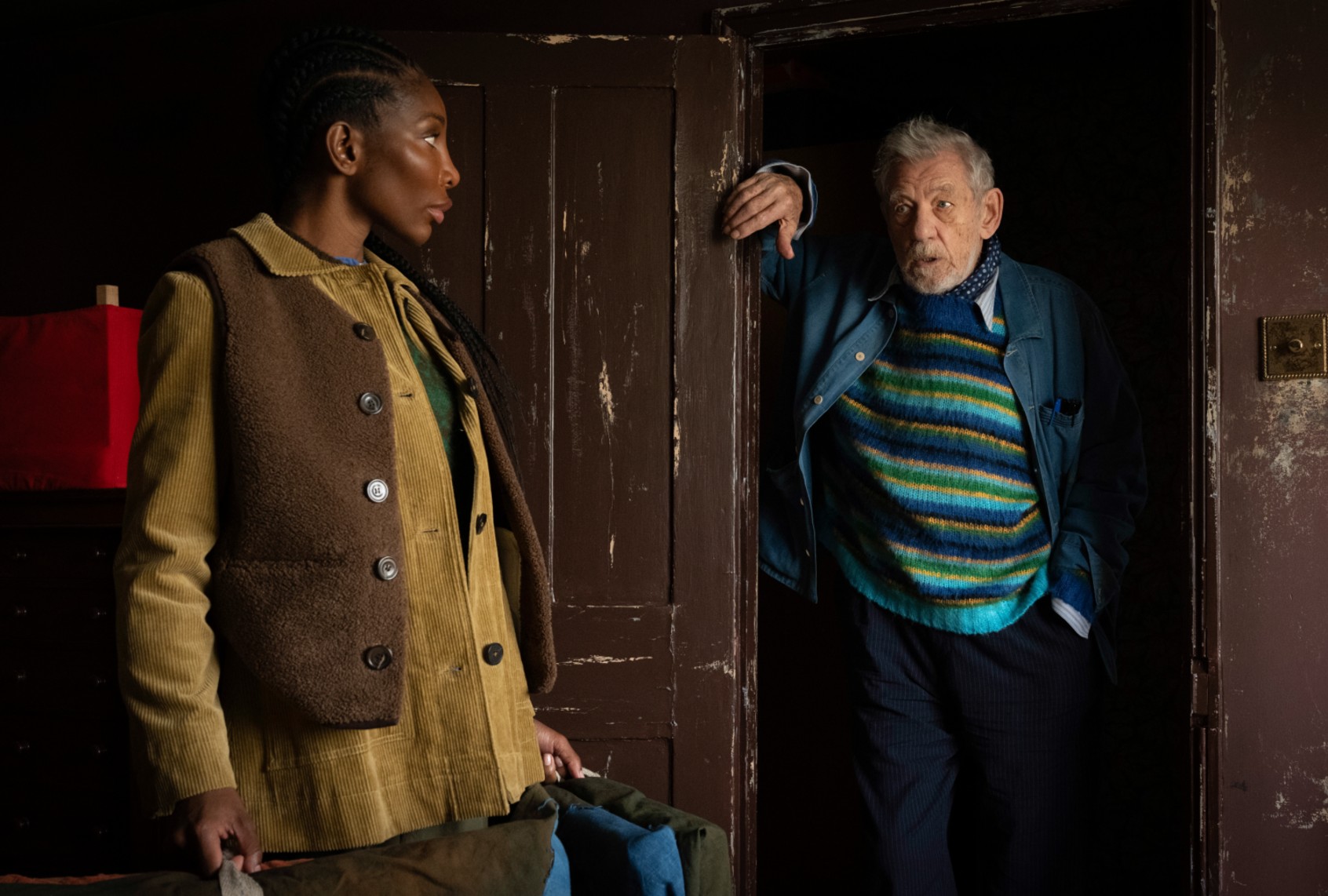
Steven Soderbergh’s latest film, “The Christophers,” has reignited debate over the director’s relationship with artificial intelligence, highlighting a growing tension between his artistic exploration of authenticity and his embrace of generative AI tools in upcoming projects. The film, which premiered in select theaters in April 2026, centers on a fading painter and his assistant as they grapple with the ethics of completing unfinished work in the artist’s style — a narrative that mirrors real-world debates about AI-generated art and its implications for creative labor.
Whereas “The Christophers” interrogates whether a copy made with the artist’s blessing can retain authenticity, Soderbergh’s recent comments about using AI in his own work have drawn criticism from industry observers who see a contradiction in his stance. In interviews with Filmmaker Magazine and Variety, the Oscar-winning director described using generative AI to create dreamlike imagery for a documentary on John Lennon and Yoko Ono and to generate historical ship designs for a film about the Spanish-American War. He emphasized that AI requires close human supervision but dismissed concerns about its impact on creative fields, stating he is “not threatened” by the technology and views it as a tool that lowers barriers to entry.
These remarks come amid broader industry shifts where studios are increasingly experimenting with AI to reduce costs, particularly in visual effects and pre-production. In April 2026, Disney announced significant layoffs at Marvel Studios, citing a need to “streamline operations” — a move widely interpreted by fans and industry analysts as part of a broader push to integrate AI into production pipelines. Marvel’s visual effects team, long praised for its work on the Marvel Cinematic Universe, has faced scrutiny over working conditions, and the timing of the layoffs has fueled speculation about AI’s role in reshaping Hollywood’s labor landscape.
Soderbergh’s history with technological experimentation lends context to his current stance. His 2018 film “Unsane” was among the first major releases shot entirely on an iPhone, and his interactive series “Mosaic” experimented with viewer-driven narrative paths. These projects reflect a long-standing interest in pushing formal boundaries, but critics argue that his enthusiasm for AI overlooks the structural power imbalances in the industry, where below-the-line workers lack the leverage to resist automation that threatens their livelihoods.
The debate over AI in creative fields extends beyond film. In visual arts, music, and writing, generative models trained on vast datasets of human-created work have raised concerns about consent, compensation, and the devaluation of original expression. Unlike traditional tools that assist human creativity, AI systems often operate by statistically mimicking styles without direct attribution or compensation to the artists whose work informs their training. This dynamic has led to legal challenges, including lawsuits filed by visual artists against AI companies alleging copyright infringement through unauthorized scraping of their portfolios.
Within “The Christophers,” the tension between imitation and authenticity is explored through the character of Lori, an artist tasked with completing a series of portraits begun by the titular character’s lover. As she works, she notices that the artist’s later attempts to replicate his earlier style lack the spontaneity and emotional resonance of the originals — a metaphor some critics have applied to AI-generated art, which may replicate surface-level aesthetics but miss the intentionality behind human creation.
Soderbergh has acknowledged that AI-generated results often require significant refinement and can appear “unnatural” if not carefully guided. Yet he maintains that the technology expands creative possibilities, particularly for filmmakers without access to large budgets. He pointed to examples like the low-budget Norwegian film “The Testament of Ann Lee,” which used practical effects and choreography aboard a real ship to achieve a striking sequence, as proof that innovation need not rely on digital shortcuts — though he did not suggest that such approaches are mutually exclusive with AI use.
The ethical dimensions of AI in storytelling remain unresolved. While some view generative tools as democratizing forces that lower entry barriers, others warn that unchecked adoption could erode labor standards, concentrate power in the hands of studio executives, and diminish the value of human craft. As of mid-2026, no major industry-wide agreement exists on how to govern AI use in film production, though unions including IATSE and the Writers Guild of America have begun negotiating protections around AI in their collective bargaining discussions.
For audiences, films like “The Christophers” offer a fictional lens through which to consider these real-world tensions. By framing the question of authenticity within a personal, character-driven story, the film invites reflection on what is lost when art becomes detached from lived experience, intention, and interpersonal connection — qualities that, for now, remain beyond the reach of algorithmic generation.
As the conversation evolves, the film industry faces a pivotal moment in determining how to integrate emerging technologies without undermining the human collaboration that has long defined cinematic storytelling. Whether Soderbergh’s embrace of AI signals a forward-thinking adaptation or a blind spot in his otherwise critically engaged body of work remains a subject of ongoing debate among critics, creators, and labor advocates.
Stay informed about developments in film technology and labor practices by following updates from industry unions and trade organizations. Share your thoughts on the role of AI in creative fields and join the conversation about how technology shapes the stories we tell.