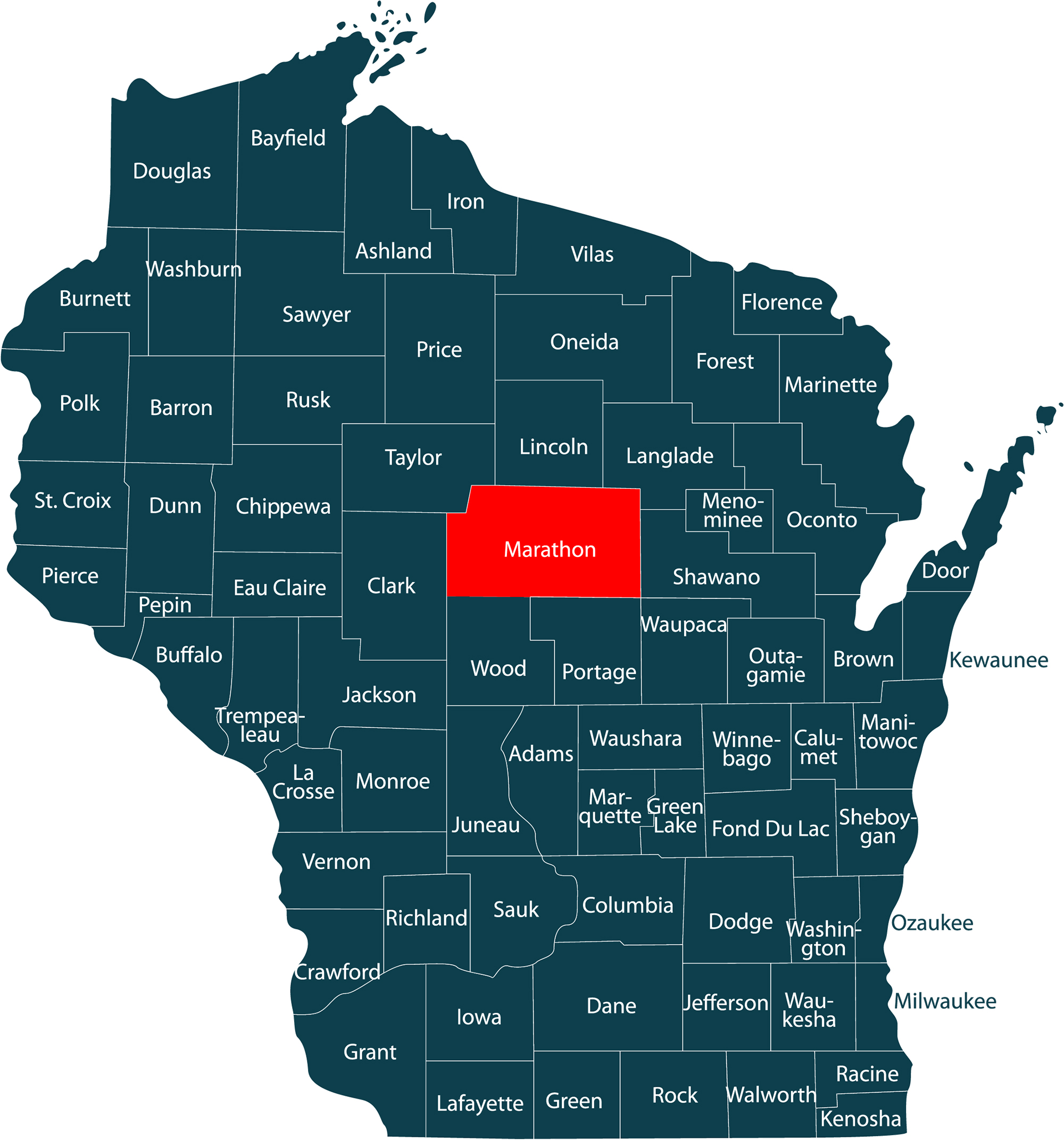
On the evening of Saturday, April 18, 2026, a confirmed tornado struck the village of Ringle in Marathon County, Wisconsin, causing extensive damage to residential properties. According to the National Weather Service, the storm system produced multiple tornadoes across central Wisconsin, with one touching down in Ringle around 7:45 p.m. Local time. The tornado, rated EF-1 on the Enhanced Fujita scale, packed winds between 86 and 110 mph as it moved through the community.
Initial assessments by Marathon County emergency management officials indicate that approximately 75 homes sustained damage, ranging from minor roof and siding issues to complete structural loss. No fatalities were reported, though several residents sought medical attention for minor injuries sustained during the storm. The American Red Cross opened an emergency shelter at the Marathon County fairgrounds in Wausau to assist displaced families.
Marathon County Sheriff’s Department deputies were among the first responders on the scene, conducting welfare checks and securing affected areas. Sheriff Scott Parks told local media that the destruction was among the most severe he had witnessed in his career, noting downed power lines, uprooted trees, and debris scattered across roads and yards. “I’ve never seen devastation like this in Marathon County,” Sheriff Parks said, adding that cleanup efforts would likely take days.
The National Weather Service office in Green Bay issued a tornado warning for Marathon County at 7:30 p.m., updating it to a tornado emergency for the Ringle area shortly after the touchdown was confirmed via radar and spotter reports. Meteorologists noted that the storm formed along a strong cold front moving southeast from Minnesota, which had already produced severe weather in the Dakotas earlier that day.
Residents described hearing a loud roar as the tornado approached, with some taking shelter in basements or interior rooms. Social media posts from the night showed images of damaged homes, flipped vehicles, and trees snapped like twigs. Utility crews from Wisconsin Public Service began restoring power to affected areas the following morning, with over 1,200 customers initially without electricity.
Governor Tony Evers declared a state of emergency for Marathon County on Sunday, April 19, enabling state resources to support local recovery efforts. The Wisconsin Emergency Management Agency coordinated with FEMA to assess eligibility for federal disaster assistance, though officials noted that individual aid applications would not open until preliminary damage assessments were complete.
Community volunteers and faith-based organizations quickly mobilized to provide food, water, and supplies to those impacted. The United Way of Marathon County launched a relief fund to support long-term recovery, emphasizing that rebuilding would require sustained effort beyond the immediate aftermath.
As of Monday morning, April 20, road crews had cleared major thoroughfares in Ringle, allowing residents to return to inspect their properties. The Marathon County Highway Department reported that all town roads were passable by noon, though some secondary routes remained blocked by debris.
Officials urged residents to document damage with photos and videos for insurance purposes and to avoid entering structurally unsound buildings. The Marathon County Building Inspection Division began conducting safety assessments on Monday to determine which homes could be safely reoccupied.
Whereas tornadoes are not uncommon in Wisconsin, the timing and intensity of this event drew attention due to its occurrence in mid-April, earlier than the typical peak severe weather season in the region. Meteorologists noted that climate patterns are contributing to increased volatility in spring storm systems across the Upper Midwest.
The next official update on recovery efforts is expected from Marathon County Emergency Management on Tuesday, April 21, at 10:00 a.m., when officials will provide a detailed summary of damage assessments, shelter occupancy, and restoration timelines.
If you have information about the storm’s impact or wish to support recovery efforts, consider sharing verified updates through official channels or donating to recognized local relief organizations. Stay informed through the National Weather Service and Marathon County Emergency Management for ongoing developments.