Indian Stocks Close Lower as Geopolitical Concerns and Rising Oil Prices Weigh on Market Sentiment
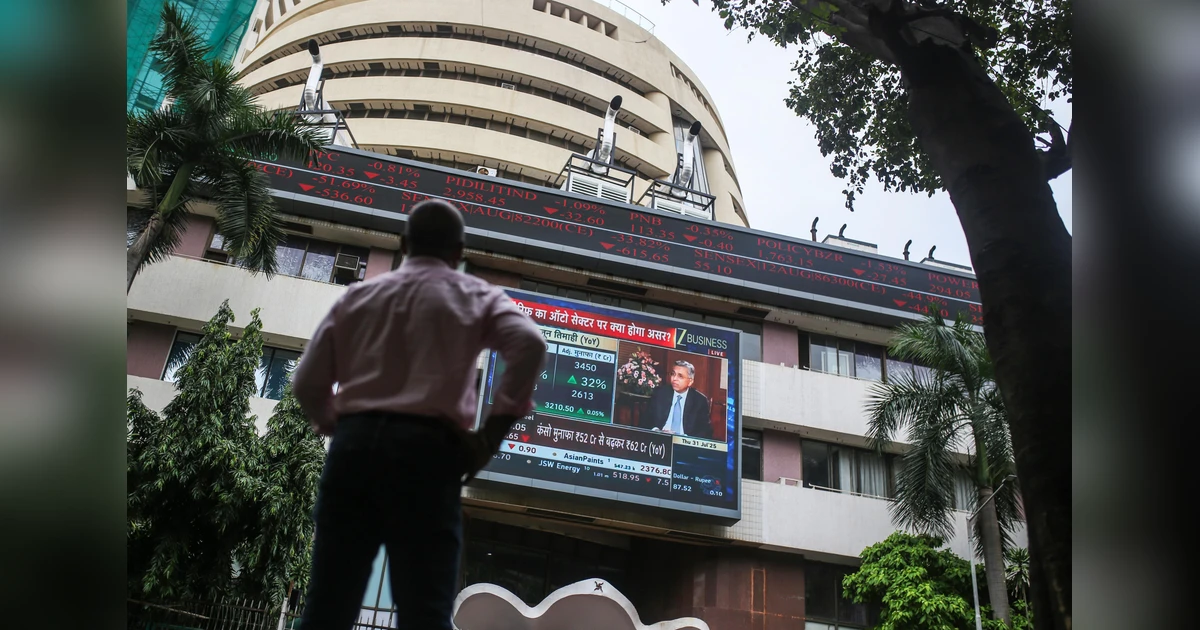
Mumbai, India – Indian equity markets experienced a significant downturn on Friday, with the Sensex tumbling 1,097 points and the Nifty 50 closing at 24,450. The decline was driven by a combination of factors, including escalating geopolitical tensions in the Middle East, rising crude oil prices, and cautious investor sentiment. The downturn follows a brief recovery in the previous sessions, highlighting the market’s vulnerability to external shocks. The Nifty’s performance reflects a broader trend of risk aversion among investors as the conflict in West Asia intensifies, impacting global markets and adding to economic uncertainty.
The decline in Indian stock markets mirrors a global trend of cautious trading amid heightened geopolitical risks. The ongoing conflict in the Middle East, particularly concerns surrounding the Strait of Hormuz – a critical waterway for oil transportation – has fueled anxieties about potential disruptions to global oil supplies. This has led to a surge in Brent crude oil prices, further dampening investor confidence. The Reserve Bank of India (RBI) has reportedly intervened in the foreign exchange market, deploying an estimated $12 billion this week to defend the rupee against a weakening trend, according to reports from bankers. Business Standard details the central bank’s efforts to stabilize the currency amidst the volatile global landscape.
Market Performance and Sectoral Impact
The 30-share BSE Sensex closed down 1,097 points, or 1.37%, at 78,918.90. The Nifty 50, representing the broader market, ended the day at 24,450, a decline of 315 points. Sectoral performance was largely negative, with banking, realty, and auto stocks leading the losses. Although, the energy and IT sectors offered some support, limiting the overall decline. Interestingly, the broader market indices demonstrated relative resilience, with the smallcap index remaining largely unchanged and the midcap index experiencing a smaller decline of approximately 0.5%.
According to Ajit Mishra, Senior Vice President of Research at Religare Broking, the market traded under pressure throughout the day, giving up previous gains due to cautious global sentiment and profit-booking by investors. Mishra noted that a break below the 24,300 level could push the Nifty towards 24,000. He also highlighted the continued strength in sectors like pharmaceuticals, metals, public sector enterprises (PSE), and defense as potential areas for buying opportunities, emphasizing the necessitate for a cautious approach and strict risk management.
Technical Analysis and Future Outlook
Nagaraj Shetti, Senior Technical Research Analyst at HDFC Securities, observed the formation of a “long bear candle” on the daily chart, signaling a negation of the bullish sentiment created by the previous day’s gains. Shetti suggests that the Nifty could retest its Wednesday low of 24,300 in the short term, with immediate resistance at 24,700. This technical analysis indicates a potential for further downward movement if the 24,300 support level is breached. The shift in market sentiment, from bullish to bearish, underscores the importance of monitoring key support and resistance levels.
The rising price of Brent crude oil is a significant concern for the Indian economy, as India is a major importer of oil. As of Friday, Brent crude futures were trading at over $87 per barrel on the Intercontinental Exchange, the highest level since July 2024. Google Finance provides real-time updates on oil prices. This increase in oil prices could lead to higher inflation and potentially impact economic growth. Reports indicate a near-total halt of shipping activity in the Strait of Hormuz, exacerbating concerns about supply disruptions. The situation in the Strait of Hormuz is being closely monitored by international shipping organizations and governments worldwide.
Impact on Key Sectors
The banking sector experienced significant selling pressure, with major lenders like ICICI Bank and Axis Bank among the top laggards on the Sensex. The Nifty Bank index lost 1,272.60 points, or 2.15%, closing at 57,783.25. The realty and auto sectors also contributed to the overall market decline. Conversely, the IT sector showed some resilience, with the Nifty IT index remaining in positive territory. This divergence in sectoral performance suggests that investors are seeking refuge in relatively stable sectors amid the broader market uncertainty.
While the broader market indices showed some resilience, with the smallcap index ending almost unchanged, the midcap index declined by nearly half a percent. This indicates that the impact of the market downturn was more pronounced on larger companies, while smaller companies were relatively less affected. The performance of the broader indices suggests that investors may be shifting their focus towards companies with stronger fundamentals and less exposure to global risks.
RBI Intervention and Rupee Defense
The Reserve Bank of India’s (RBI) intervention in the foreign exchange market to defend the rupee highlights the central bank’s commitment to maintaining financial stability. The reported deployment of approximately $12 billion underscores the scale of the challenge posed by the escalating geopolitical tensions and the resulting capital outflows. The rupee has been under pressure in recent weeks, reaching record lows against the US dollar. The RBI’s intervention aims to curb the rupee’s depreciation and prevent further volatility in the foreign exchange market.
RBI has been aggressively defending the Rupee in the last few days. Sources say it has sold around $12 billion to prevent further depreciation of the Indian currency. https://t.co/q9q9q9q9q9
— CNBC-TV18 (@CNBCTV18Live) March 6, 2026
Looking ahead, market participants will be closely monitoring developments in the Middle East and their potential impact on global oil prices and financial markets. The next key event to watch will be any further announcements from the RBI regarding its intervention in the foreign exchange market. Investors are advised to remain cautious and focus on risk management until the market stabilizes. The volatility in the Nifty index, combined with elevated uncertainty, suggests that a period of consolidation may be ahead.
Key Takeaways:
- Indian stock markets experienced a significant decline on Friday, driven by geopolitical tensions and rising oil prices.
- The Sensex fell 1,097 points, and the Nifty 50 closed at 24,450.
- The banking, realty, and auto sectors were among the worst performers, while IT offered some support.
- The RBI has intervened in the foreign exchange market to defend the rupee.
- Investors are advised to remain cautious and focus on risk management.
The situation remains fluid, and further developments in the Middle East could have a significant impact on Indian markets. We will continue to provide updates as the situation evolves. Share your thoughts on the market’s performance in the comments below, and please share this article with your network.
Keep reading