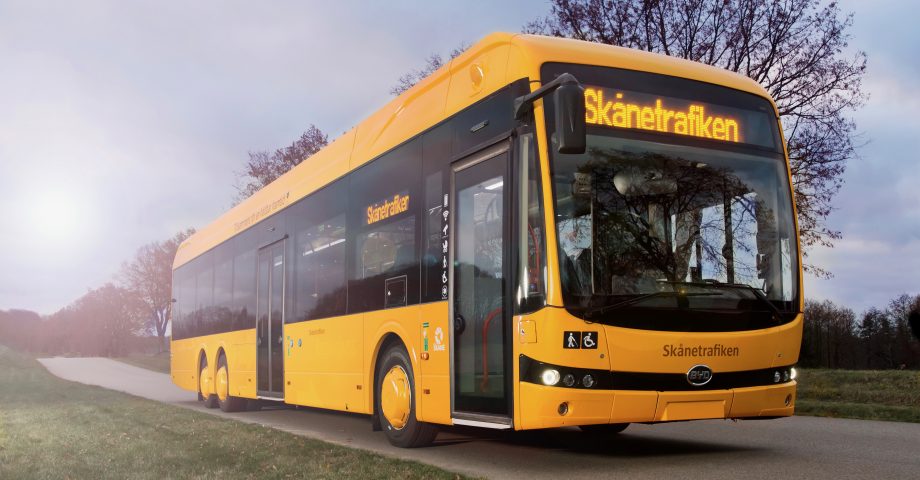
Beginning July 1, 2026, Sweden will implement a temporary 50% reduction in the cost of monthly public transport passes. This policy shift, announced in May 2026, represents a significant fiscal move by the government, with an estimated cost to the state of 6.5 billion Swedish crowns, or approximately $699 million, according to reports verified by Reuters.
The Scope of the Price Reduction
The initiative aims to lower the barrier to entry for daily commuters across the country. While the policy is national in scale, its implementation at the regional level has highlighted complexities regarding who qualifies for the subsidy. For instance, while many commuters utilizing standard bus and rail networks will see their monthly costs cut in half, specific transit segments—such as certain boat-based commuter lines—remain outside the scope of the reduction. This has led to discussions regarding the equity of the policy, as different transit modes serve distinct geographic and social demographics.
Projected Impact on Ridership
Regional transit authorities, including those managing complex urban networks, are currently modeling the expected surge in demand. Initial estimates from transit planners suggest a potential 10% increase in total ridership following the July 1 launch. However, this growth comes with financial challenges. Public transport operators, such as SL (Storstockholms Lokaltrafik), are bracing for significant revenue shortfalls as a result of the lower ticket prices. The challenge for these organizations will be maintaining service levels and infrastructure maintenance while managing a substantial reduction in ticket-derived income.
Addressing Accessibility Gaps
The policy has faced scrutiny regarding its inclusivity. Advocacy groups and citizens have raised concerns that the broad nature of the price cut may overlook the specific needs of vulnerable populations. For example, reports have noted that the current structure of the government’s plan does not adequately address the unique requirements of individuals with visual impairments, who may rely on specialized transit services that are not always captured by standard monthly pass reductions. These critiques emphasize that while a blanket price cut is intended to stimulate usage, it may inadvertently bypass those who require additional support to navigate the transit system effectively.
What Happens Next
The temporary price reduction is scheduled to begin on July 1, 2026, with the government and regional authorities expected to monitor ridership data throughout the summer and autumn months. As the policy progresses, commuters should watch for official updates from their local transit providers regarding how to purchase the discounted passes and whether any further adjustments will be made to include currently excluded transit routes. For those seeking the most up-to-date information on local transit schedules and pass availability, official regional transport websites serve as the primary source for verified announcements.
We encourage our readers to share their experiences with the new pricing structure in the comments section below as the implementation rolls out across the country.
Related reading
- Suisse à 10 millions: Grimisuat, exemple de limitation de la population? «Une autre manière de réfléchir» que l’UDC – Le Nouvelliste
- 阿拉巴马州请寿司师傅 – 北美餐饮通
- China’s AI Surge: Market Growth, Tech Distillation, and US Tension (archynewsy.com)
- Uber Q2 2026 EPS Guidance and Impact of 10% Workforce Cut (world-today-news.com)