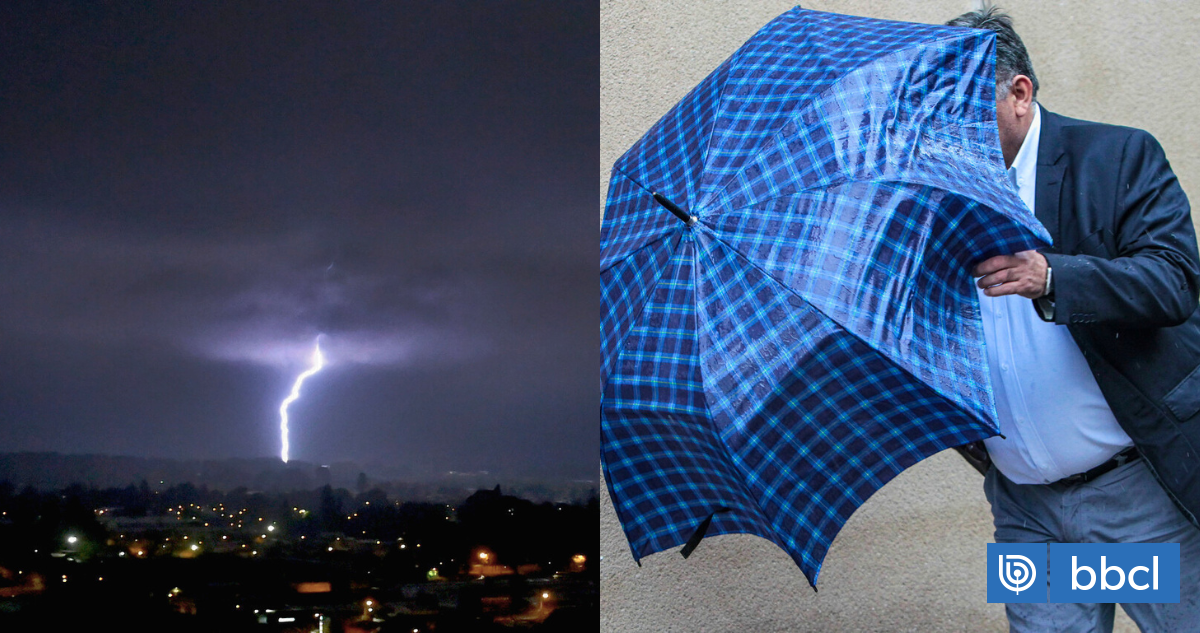
Chilean authorities have issued weather warnings for strong winds and electrical storms affecting southern regions, particularly in the Los Lagos and Aysén areas. The alerts cover coastal zones, inland areas, and island territories including Chiloé and parts of the Aysén Insular Norte zone. Meteorological services indicate sustained wind speeds could reach significant levels, increasing the risk of localized damage and hazardous conditions.
The warnings come as part of routine meteorological monitoring during the southern hemisphere’s autumn season, when frontal systems frequently bring intense weather patterns to Patagonia. Officials urge residents and travelers to stay informed through official channels and take necessary precautions, especially in exposed areas and during outdoor activities. Marine conditions are too expected to deteriorate, with rough seas anticipated along affected coastlines.
In the Los Lagos region, which includes the provinces of Llanquihue, Chiloé, Palena, and Osorno, the warning specifically highlights the littoral (coastal), cordillera costa (coastal mountain range), Chiloé archipelago, and littoral interior zones. These areas are particularly vulnerable to sudden weather changes due to their topography and proximity to the Pacific Ocean, which can intensify wind patterns and storm development.
Meanwhile, in the Aysén region, the alert focuses on the Insular Norte area, encompassing islands such as Magdalena, Cisnes, and parts of the Guaitecas archipelago. These remote island communities often face unique challenges during severe weather events, including potential disruptions to maritime transport, power supply, and communication networks. Emergency preparedness measures are being coordinated with local authorities to ensure timely response if conditions worsen.
Weather agencies estimate wind intensities could reach between 60 and 80 kilometers per hour in exposed locations, with gusts potentially exceeding 100 km/h in mountainous or coastal funnel zones. Such winds are capable of damaging lightweight structures, breaking tree branches, and creating dangerous flying debris. The electrical storm component increases risks of lightning strikes, temporary power outages, and possible interference with radio and navigation systems.
Authorities emphasize that while these weather events are not uncommon for the region, their sudden onset requires vigilance. They recommend securing loose objects outdoors, avoiding travel through mountain passes during peak storm activity, and postponing nautical excursions until conditions improve. Fishermen and aquaculture workers—key economic sectors in both Los Lagos and Aysén—are advised to monitor sea state warnings closely.
The Chilean Meteorological Directorate (DMC) continues to monitor the evolving situation using satellite imagery, radar data, and ground-based observation stations across the affected zones. Updates are issued regularly through official websites and social media channels, with specific guidance tailored to different user groups including the general public, maritime operators, and aviation authorities.
Historical context shows that similar weather patterns have impacted the region in recent years, occasionally leading to temporary road closures, ferry cancellations, and localized power disruptions. However, modern forecasting capabilities and improved infrastructure resilience have significantly reduced the potential for prolonged impacts compared to past decades.
As the weather system moves through the area, conditions are expected to gradually improve by late Thursday or early Friday, depending on the specific locality. Interior valleys may experience clearing sooner than exposed coastal and mountain locations, where lingering moisture and instability could maintain shower activity for longer periods.
For the most current information, residents and visitors are encouraged to consult the official DMC website or regional emergency management offices. Local municipalities often provide community-specific alerts through loudspeaker systems, text message services, and social media updates, particularly in areas with limited internet connectivity.
While the immediate focus remains on safety and preparedness, meteorologists note that these weather systems also play a vital role in the region’s ecological balance, contributing to freshwater replenishment and supporting the diverse ecosystems that define Chilean Patagonia. The interplay between oceanic and atmospheric forces continues to shape one of the world’s most distinctive climatic environments.
Stay informed, stay prepared, and prioritize safety during periods of active weather warnings. Share this information with others who may be affected, and always follow guidance from official sources when navigating changing environmental conditions.