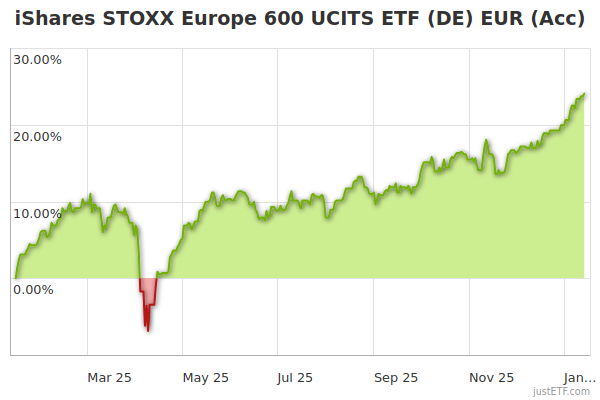
European industrial stocks faced renewed pressure on Monday as the United States moved to enforce a naval blockade of the Strait of Hormuz, a critical maritime chokepoint for global oil shipments. The Stoxx Europe 600 Industrial Index declined 1.05% during the session, reflecting growing investor anxiety over potential disruptions to energy supplies and manufacturing operations across the continent. Market analysts noted that the index’s drop was primarily driven by concerns among heavy industrials, aerospace manufacturers and transportation firms reliant on uninterrupted fuel flows.
The development follows a directive issued by U.S. President Donald Trump through his Truth Social platform on Sunday, April 13, 2026, in which he announced that the U.S. Navy would begin blocking vessels attempting to enter or exit the Strait of Hormuz effective immediately. Trump framed the action as a response to what he described as Iran’s “illegal act of extortion” related to ongoing negotiations over the extension of a temporary ceasefire in the region. The move marked a significant escalation in tensions between Washington and Tehran, with potential ripple effects across global commodity markets.
According to financial data reported by CNBC on April 13, 2026, the broader Stoxx Europe 600 index closed 0.2% lower that day, with industrial sub-sectors among the hardest hit. Travel and leisure stocks declined 0.9%, while shares of major European airlines — including Wizz Air, EasyJet, and Lufthansa — fell between 2.3% and 5.4% due to fears of jet fuel shortages. In contrast, energy companies such as Norway’s Vår Energi saw gains of nearly 2% as crude oil prices climbed above $100 per barrel in anticipation of supply constraints.
ShareCast reported three days later that European markets remained mixed, with the ongoing Strait of Hormuz blockade continuing to influence investor sentiment despite diplomatic efforts to extend the Iran-related ceasefire. The outlet noted that while some investors viewed the U.S. Action as a necessary pressure tactic, others warned of unintended consequences for global trade and industrial output, particularly in energy-intensive sectors like chemicals, steel, and automotive manufacturing.
Bloomberg further elaborated on April 20, 2026, that the Stoxx Europe 600 index had retreated 0.8% at the close amid intensifying worries over the blockade’s implications. The publication highlighted growing concern about what analysts termed a “billion-barrel Hormuz oil shock,” suggesting that prolonged restrictions on tanker movements could trigger a significant demand-side contraction in European economies still recovering from prior energy volatility.
The Strait of Hormuz, located between Oman and Iran, serves as a transit point for approximately 20-30% of the world’s liquefied natural gas and nearly a third of global seaborne oil trade, according to historical shipping data from the U.S. Energy Information Administration. Any disruption to traffic through this narrow waterway — just 21 miles wide at its narrowest point — has historically led to immediate spikes in energy prices and heightened volatility in freight and insurance markets.
Industrial firms across Germany, France, and Italy have expressed particular vulnerability to such shocks, given their reliance on imported natural gas for power generation and feedstock in chemical production. The German Chemical Industry Association (VCI) previously warned in early 2026 that sustained increases in energy costs could undermine the competitiveness of European manufacturers relative to counterparts in regions with more stable access to hydrocarbons.
As of the latest available information, no formal international condemnation or endorsement of the U.S. Blockade has been issued by the United Nations Security Council, nor has Iran publicly confirmed specific countermeasures in response to the naval restrictions. Diplomatic channels between Washington and Tehran remain active through intermediaries, though no public schedule for renewed negotiations has been disclosed.
Market observers continue to monitor developments in the Gulf region closely, with particular attention to any official updates from U.S. Central Command regarding the scope and duration of the blockade measures. The next key point of assessment will likely come from the U.S. Department of Defense’s regular briefings on naval operations in the Middle East, which are typically released on a biweekly basis unless operational changes warrant more frequent updates.
For readers seeking to understand how geopolitical flashpoints like the Strait of Hormuz can influence industrial performance and investment decisions, staying informed through credible financial and defense sources remains essential. The interplay between energy security, international diplomacy, and industrial resilience continues to shape the outlook for European markets in an era of heightened global uncertainty.
We invite our global audience to share insights and perspectives in the comments section below. Your contributions help foster a more informed dialogue on the complex forces shaping our world. Please feel free to share this article with others who may benefit from a clear, fact-based understanding of current events affecting international markets and industry.
Related reading