
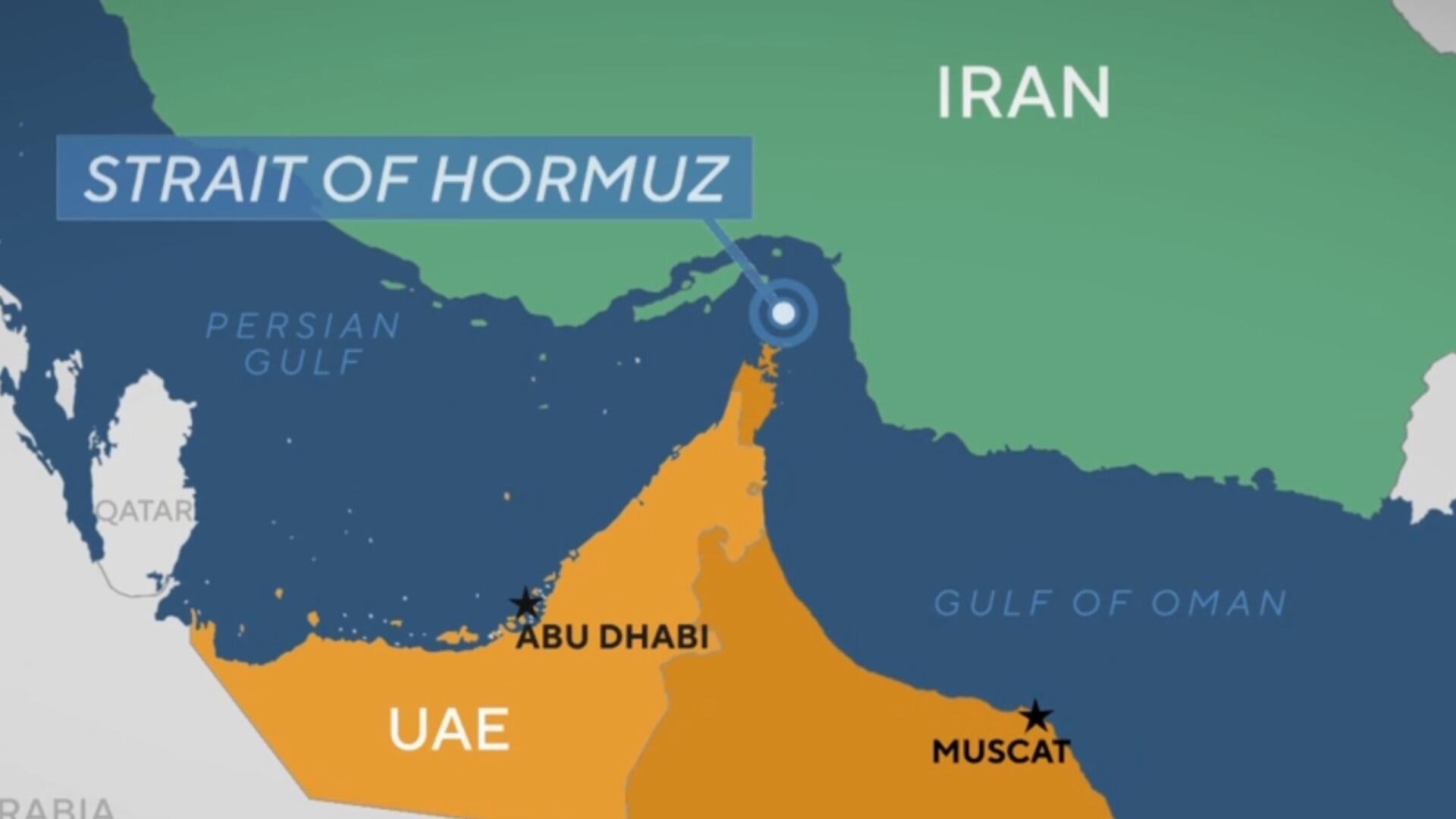
The strategic waters of the Strait of Hormuz have become the center of a volatile military standoff, as the United States and Iran trade strikes and diplomatic threats over control of one of the world’s most critical maritime chokepoints. Tensions escalated sharply this week following a series of engagements that have left global energy markets on edge and shipping lanes in a state of uncertainty.
U.S. Central Command confirmed on Thursday that American forces conducted “self-defense strikes” against Iranian targets. These operations were launched after three U.S. Navy destroyers were targeted by a barrage of Iranian missiles and drones. While the U.S. Military reported that the destroyers were not struck, the engagement triggered a direct military response aimed at Iranian infrastructure.
The current Strait of Hormuz shipping conflict represents a dangerous intersection of military brinkmanship and economic leverage. With Iran attempting to formalize its role as the regulator of the waterway and the U.S. Maintaining a posture of forceful deterrence, the risk of a broader regional escalation remains high. This deadlock comes at a time when the international community is closely monitoring both the tactical movements of naval assets and the diplomatic overtures being exchanged between Washington and Tehran.
U.S. Military Response and Iranian Port Strikes
According to multiple U.S. Officials, the American military targeted two specific Iranian ports that abut the Strait of Hormuz: Bandar Abbas and Qeshm. These strikes were characterized as a direct response to the missile and drone fire directed at the three U.S. Navy destroyers. The U.S. Military’s ability to deflect the Iranian onslaught was described by President Trump in vivid terms, stating that the intercepted drones “dropped ever so beautifully down to the Ocean, very much like a butterfly dropping to its grave!” CBS News.
President Trump confirmed that the three American destroyers successfully passed through the strait despite the Iranian attacks. He asserted that the U.S. Vessels remained unharmed while Iran sustained “great damage” during the exchange. The administration has framed the incident as a clear example of Iran acting as an “unnormal” country by obstructing the passage of naval vessels through international waters.
Iran’s Bid for Maritime Control
As the military situation intensifies, Tehran is moving to institutionalize its control over the vital shipping lanes. Iran has announced the creation of a new agency tasked with clearing vessels for transit through the Strait of Hormuz, effectively attempting to position itself as the sole regulator of the waterway. This move is seen by international observers as an attempt to formalize a blockade or a restrictive transit regime.
The impact of this regulatory shift has been immediate. Shipping intelligence firm Lloyd’s List reports that the strait is now considered closed, as the newly created Iranian agency has assumed charge of vessel clearances CBS News. This closure threatens the flow of global commerce, as the strait is the primary artery for oil exports from the Persian Gulf.
Economic Fallout: Global Oil Price Volatility
The instability in the Strait of Hormuz has sent ripples through the global energy sector, with Brent crude oil—the international benchmark—reacting sharply to the volatility. On Thursday, the price of Brent crude hovered around $100 a barrel. While this represents a decrease from the peak of $126 seen last week, it remains significantly higher than the approximately $70 per barrel price point observed before the outbreak of the current conflict CBS News.
Market analysts suggest that as long as the strait remains “closed” or subject to the whims of an Iranian regulatory agency, oil prices will likely remain sensitive to every military movement and diplomatic leak. The $30-per-barrel increase from pre-war levels underscores the immense economic pressure the conflict places on global consumers and industries.
Diplomatic Proposals and the Threat of Escalation
Despite the kinetic clashes, We find ongoing efforts to find a diplomatic exit. Iran has stated that it is currently reviewing the latest U.S. Proposal intended to end the war. President Trump has expressed public optimism, insisting that the situation is going “unbelievably well” and voicing his belief that Iran will ultimately “make a deal.”
However, this optimism is tempered by a stern warning. President Trump cautioned on Wednesday that if Iran rejects the current U.S. Offer, he could order “higher level” military strikes. This “carrot and stick” approach seeks to pressure Tehran into a settlement while demonstrating that the U.S. Is prepared to escalate its military footprint in the region if necessary.
Key Takeaways: The Hormuz Crisis
- Military Action: The U.S. Conducted self-defense strikes on the Iranian ports of Bandar Abbas and Qeshm after destroyers faced drone and missile attacks.
- Maritime Status: Lloyd’s List reports the Strait of Hormuz is closed following Iran’s creation of a new vessel-clearance agency.
- Energy Impact: Brent crude oil prices have climbed to roughly $100 a barrel, up from $70 pre-war.
- Diplomatic State: Iran is reviewing a U.S. Peace proposal, though the U.S. Warns of “higher level” strikes if a deal is not reached.
The situation remains fluid. The next critical checkpoint will be Iran’s formal response to the U.S. Proposal to end the war, which will determine whether the region moves toward a fragile peace or further military escalation.
We invite our readers to share their perspectives on the global impact of this maritime conflict in the comments below. Please share this report to keep your network informed on these developing geopolitical events.
Worth a look
- Trump Appeals to US Supreme Court After Court Blocks White House Ballroom Project
- Arizona and French Group Sign Letter of Intent for Full Acquisition
- Tariff vs. Price Floor: What Trump's New Solar Rule Does (daybreakwire.com)
- Project Jupiter Boosts Economic Opportunity in Southern New Mexico (news-usa.today)