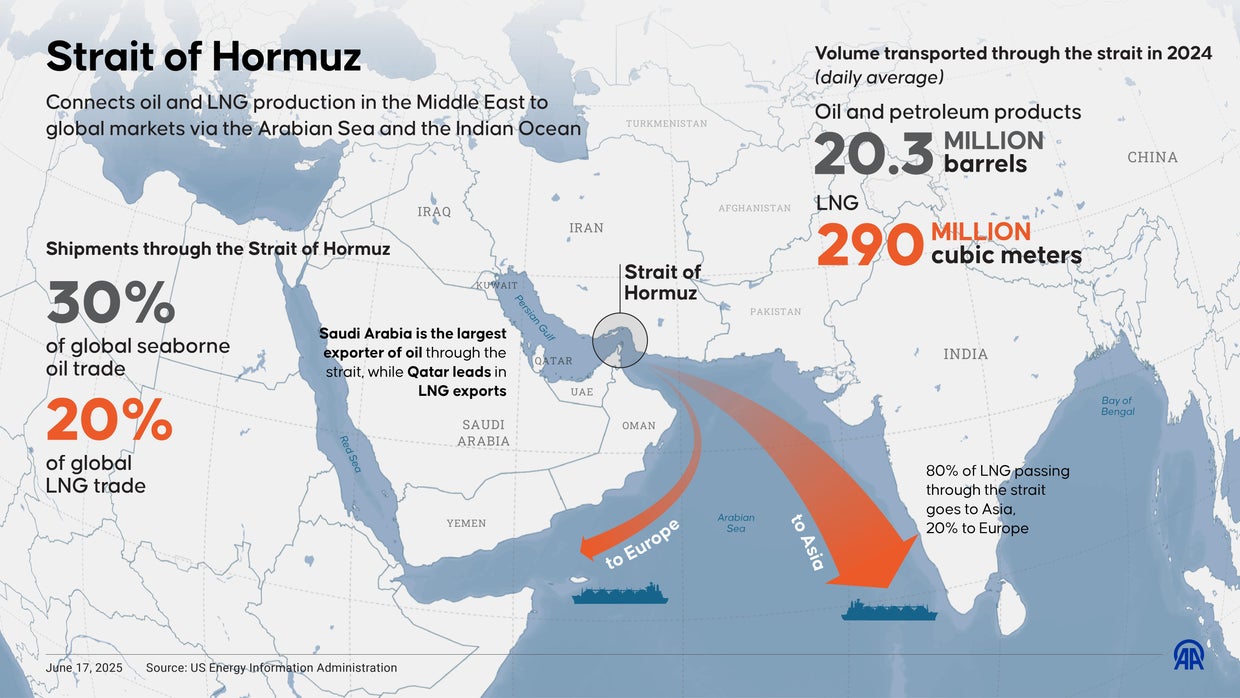
The strategic waters of the Strait of Hormuz have once again become the epicenter of a high-stakes geopolitical confrontation. On Saturday, April 11, 2026, U.S. President Donald Trump announced that the United States has commenced operations to “clear” the strait of sea mines, a move that has triggered immediate threats from Tehran and cast a shadow over fragile diplomatic efforts currently underway in Pakistan.
This escalation comes at a critical juncture as American and Iranian delegations attempt to negotiate a project agreement to finish the ongoing war between the two nations. While diplomats in Islamabad operate to bridge a widening gap in their demands, the movement of U.S. Naval assets into the region has brought the risk of direct military engagement back to the forefront of global security concerns.
The duality of the current situation—simultaneous naval aggression and diplomatic dialogue—underscores the volatility of the region. As the U.S. Asserts its role as a guarantor of maritime security, Iran views these actions as a provocation, creating a precarious environment where a single tactical miscalculation could disrupt the global energy supply.
U.S. Naval Operations and the “Clearing” Mission
President Donald Trump framed the decision to remove sea mines from the Strait of Hormuz as a service to the international community. According to reports, Trump stated that the operation benefits several major global economies, specifically mentioning China, Japan, South Korea, France, and Germany via Al Jazeera. The administration argues that the presence of Iranian sea mines represents the primary remaining leverage held by Tehran to threaten international shipping.

In a series of assertive claims, President Trump suggested that Iran’s military capabilities have suffered a catastrophic decline. He asserted that the Iranian Navy and Air Force have effectively “disappeared” and described their air defense systems as being “virtually non-existent” via Al Jazeera. These statements appear intended to project U.S. Dominance and pressure the Iranian delegation during the ongoing talks.
The U.S. Operation is currently active, with Reuters reporting that the “clearing” process is ongoing, despite denials from official Iranian media regarding the crossing of U.S. Ships through the strait.
Iranian Response and Naval Threats
Tehran has reacted with hostility to the U.S. Naval activity. Iranian officials have issued threats to target a U.S. Destroyer that reportedly moved from the Port of Fujairah in the United Arab Emirates toward the Strait of Hormuz via Al Jazeera. This move is seen by Iran as a direct escalation coinciding with the first session of peace negotiations.
The Iranian government continues to maintain its stance on sovereignty and control over the strait, viewing the U.S. “clearing” operations not as a service to global trade, but as an infringement on its national security. The tension is exacerbated by the presence of high-value U.S. Naval assets in close proximity to Iranian territorial waters, increasing the likelihood of a naval skirmish.
The Islamabad Diplomacy: A Fragile Path to Peace
Despite the military posturing, diplomatic channels remain open. Negotiations between the United States and Iran, hosted in Islamabad, Pakistan, are currently in a state of flux. After the conclusion of an initial round of direct talks, the sessions are scheduled to resume today, Sunday, April 12, 2026, following a proposal from the Pakistani government and agreement from both parties via Masrawy.
However, the path to a peace agreement is fraught with obstacles. The Iranian news agency Tasnim has reported that the talks have been hampered by what it describes as “unreasonable demands” from the American side. In contrast, the Iranian delegation remains steadfast in its commitment to protecting its national interests via Masrawy.
Despite these frictions, Notice signs of technical progress. Teams of experts from both nations are currently exchanging texts, suggesting that the negotiations have entered a more detailed phase as they attempt to draft the specific terms of potential understandings. The involvement of Pakistan as a mediator has been crucial in maintaining the dialogue even as naval tensions peak in the Persian Gulf.
Key Stakes in the Hormuz Conflict
The conflict over the Strait of Hormuz is not merely a bilateral dispute but a global economic concern. Because a significant portion of the world’s oil passes through this narrow waterway, any prolonged instability affects energy prices and supply chains worldwide. The U.S. Strategy of “clearing” the strait is a direct attempt to remove Iran’s ability to use maritime mines as a geopolitical weapon, while Iran views its control over the strait as its most potent deterrent against foreign intervention.
| Action/Event | U.S. Position | Iranian Position |
|---|---|---|
| Strait of Hormuz | Conducting mine-clearing operations for global benefit. | Viewing operations as provocation; threatening naval targets. |
| Naval Assets | Destroyer deployed from Fujairah to ensure security. | Denying U.S. Crossing; threatening “firm” response. |
| Diplomacy | Pushing for an agreement based on specific (disputed) demands. | Insisting on national interests; citing “unreasonable” U.S. Terms. |
| Negotiation Site | Participating in Islamabad, Pakistan. | Participating in Islamabad, Pakistan. |
The global community now looks to the results of the resumed sessions in Islamabad. Whether the diplomatic progress made by technical experts can outweigh the aggressive rhetoric and naval maneuvers in the Gulf remains to be seen. The immediate checkpoint for observers will be the outcome of today’s resumed negotiations and whether any formal agreement on the status of the Strait of Hormuz is reached.
We will continue to monitor the developments in Islamabad and the Persian Gulf. We invite our readers to share their perspectives on these developments in the comments below and share this report to keep others informed.