Jonathan Reed, News Editor
The Strait of Hormuz, a narrow waterway between Oman and Iran, remains one of the world’s most critical chokepoints for global energy supplies. Approximately one-fifth of the world’s petroleum passes through this 21-mile-wide corridor, making it a focal point of geopolitical tension. In recent months, heightened military activity and maritime incidents have drawn international attention to the region, prompting news organizations to seek firsthand insight into conditions on the water.
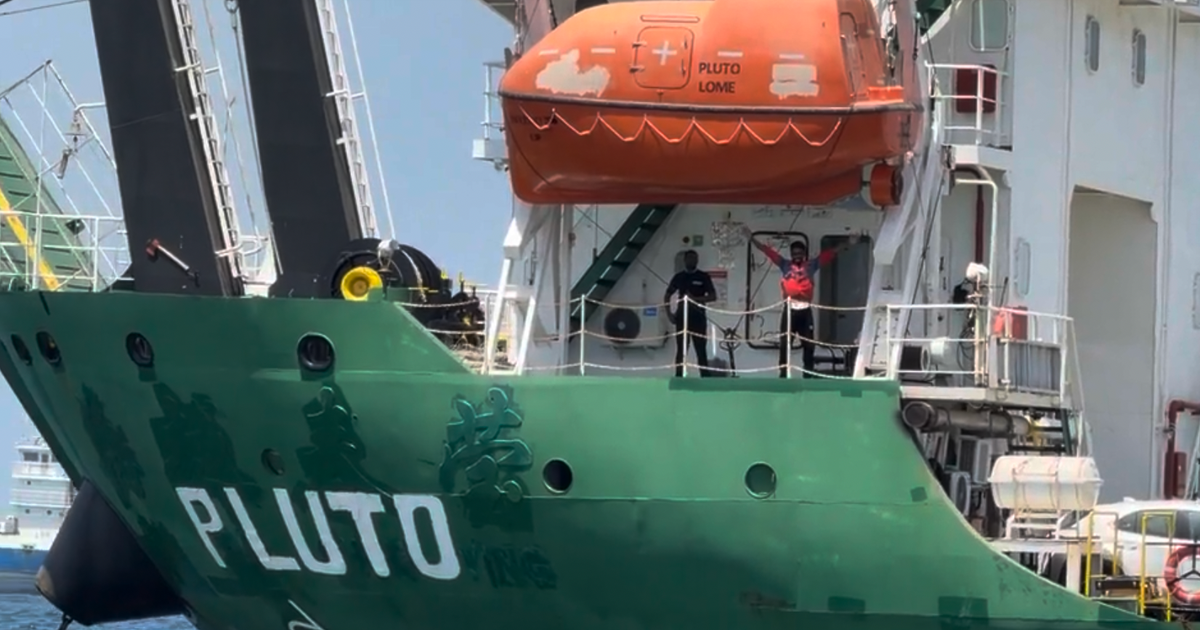
CBS News correspondent Elizabeth Palmer and her reporting team undertook a rare and carefully coordinated journey into the Strait aboard a chartered vessel, accompanied by regional maritime security experts. The trip, conducted with strict adherence to international maritime laws and under the guidance of local authorities, aimed to observe vessel traffic, military presence and environmental conditions in real time. Their access was facilitated through coordination with the United Arab Emirates’ coast guard and followed standard protocols for foreign media transiting sensitive maritime zones.
What they observed was a complex interplay of routine commerce and strategic vigilance. Commercial tankers, some flying flags of convenience, moved steadily through the shipping lanes under the watch of naval vessels from multiple nations. The U.S. Fifth Fleet, based in Bahrain, maintains a regular presence in the area to ensure freedom of navigation, a mission reinforced by joint patrols with allied navies including the United Kingdom’s Royal Navy and France’s Marine Nationale. These operations are conducted under the framework of the Combined Maritime Forces (CMF), a multinational partnership tasked with securing key maritime routes.
The Strait of Hormuz is not merely a geographic feature but a linchpin of global energy security. According to the U.S. Energy Information Administration, approximately 17 million barrels of oil per day passed through the Strait in 2023, representing about 20% of global oil supply and roughly one-third of seaborne traded oil. Liquefied natural gas (LNG) shipments also constitute a significant portion of traffic, particularly from Qatar, the world’s largest LNG exporter. Any disruption to transit through the Strait could trigger immediate spikes in global energy prices and affect markets from Asia to Europe.
Military activity in the region has increased in recent years amid broader tensions between Iran and Western powers. Iran has periodically conducted naval exercises in and near the Strait, sometimes involving fast-attack craft and missile drills. In 2023, the Islamic Revolutionary Guard Corps Navy (IRGCN) conducted several high-profile maneuvers that prompted warnings from international shipping advisories. The United Kingdom Maritime Trade Operations (UKMTO) and the U.S. Maritime Administration (MARAD) routinely issue alerts to commercial vessels regarding potential risks, including harassment, seizure attempts, or mine-laying activities—though no such incidents were observed during the CBS News transit.
Environmental concerns also persist in the Strait. The area supports diverse marine ecosystems, including coral reefs and fisheries vital to coastal communities in Oman, and Iran. However, the high volume of tanker traffic raises risks of oil spills, though major incidents have been rare due to stringent international safety standards enforced by the International Maritime Organization (IMO). The IMO’s mandatory ship reporting system and traffic separation schemes help reduce collision risks in the confined waterway.
For the CBS News team, the journey underscored the Strait’s dual nature: a highway of global commerce and a theater of strategic competition. While no direct confrontations were witnessed, the constant presence of warships, surveillance aircraft, and maritime patrol helicopters served as a reminder of the fragility of peace in the region. The team noted that commercial mariners expressed cautious confidence in the safety of transit, crediting international naval coordination and clear communication protocols for minimizing risks.
Looking ahead, the stability of the Strait of Hormuz remains closely tied to diplomatic efforts between Iran and international actors, particularly regarding Iran’s nuclear program and regional influence. The International Atomic Energy Agency (IAEA) continues to monitor Iran’s nuclear activities, with recent reports indicating ongoing enrichment at levels approaching weapons-grade thresholds—a development that has prompted renewed diplomatic engagement from the E3+3 (France, Germany, the United Kingdom, plus the United States, China, and Russia). Any escalation in tensions could lead to increased military posturing or, in extreme scenarios, attempts to disrupt shipping—though such actions would carry significant international consequences.
As global energy demand evolves and renewable energy adoption accelerates, the Strait’s relative strategic importance may shift over time. However, for the foreseeable future, it will remain a critical artery for fossil fuel transport and a barometer of regional stability. Continuous monitoring by international naval forces, transparent communication with the shipping industry, and sustained diplomatic engagement are essential to maintaining safe passage through this vital maritime corridor.
For readers seeking real-time updates on maritime security in the Strait of Hormuz, the UKMTO website provides daily advisories for vessels transiting the Middle East. The U.S. Naval Forces Central Command (NAVCENT) also publishes regular reports on operational activities in the region. The International Maritime Organization offers public access to shipping safety guidelines and traffic data through its Global Integrated Shipping Information System (GISIS).
What do you think about the balance between energy security and regional stability in critical maritime zones like the Strait of Hormuz? Share your thoughts in the comments below, and help spread awareness by sharing this article with others interested in global affairs.
Related reading
- Indonesia to Establish ‘Merah Putih’ Village Cooperatives Nationwide to Boost Local Economy
- Hiking Holidays in Austria and Switzerland: September Planning Guide
- UAMS Little Rock Student Spotlight: Bailey’s Journey (news-usa.today)
- US and Qatar Report Progress on Iran Ceasefire and Hormuz Strait Reopening (time.news)