
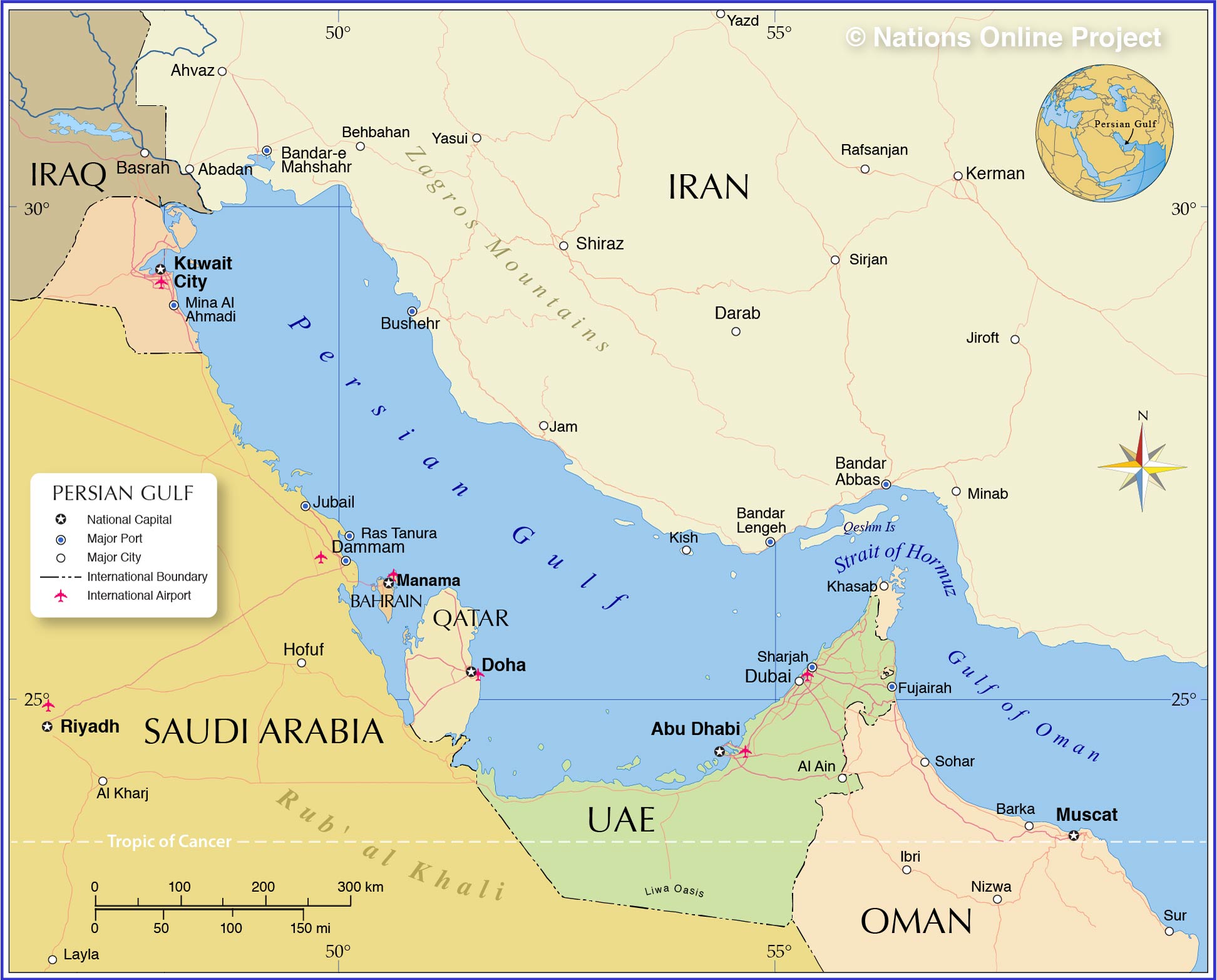
The South Korean government is currently weighing a strategic decision to participate in an international mine clearance operation in the Strait of Hormuz, a move that underscores the precarious balance Seoul must maintain between its energy security and its diplomatic relations in the Middle East. As the world’s most critical oil chokepoint faces increasing instability, the prospect of South Korean naval assets joining a multilateral effort to secure shipping lanes has develop into a priority for the Blue House.
The potential deployment comes amid a volatile escalation in the Persian Gulf, where the placement of naval mines has threatened the flow of global energy supplies. For South Korea, a nation almost entirely dependent on imported oil—a significant portion of which traverses the Strait—the disruption of these waters is not merely a geopolitical concern but a direct threat to national economic stability. The decision to engage in mine countermeasures (MCM) represents a significant step up in South Korea’s maritime security posture.
This development unfolds against a backdrop of heightened friction between the United States, and Iran. Recent reports indicate a cycle of maritime aggression, with the Iranian Revolutionary Guard Corps (IRGC) seizing commercial vessels and the U.S. Military intercepting Iranian tankers. With the maritime environment becoming increasingly hazardous, the international community is now looking toward specialized technological solutions and coalition-based clearing operations to restore safe passage for commercial shipping.
As the global community watches the Persian Gulf, the focus is shifting toward the technical and diplomatic hurdles of removing underwater explosives from one of the world’s most contested waterways. The success of such an operation depends not only on naval capability but on a fragile diplomatic consensus that has yet to be fully realized.
The Strategic Imperative: Why Seoul is Considering Deployment
South Korea’s consideration of a Strait of Hormuz mine clearance operation is driven by a stark reality: the country’s vulnerability to energy shocks. The Strait of Hormuz is the only exit from the Persian Gulf for oil tankers, and any prolonged closure or significant increase in risk premiums for shipping would lead to immediate volatility in domestic fuel prices and industrial production.
Historically, Seoul has preferred a low-profile approach in Middle Eastern conflicts to avoid antagonizing Iran, a key regional player. Although, the emergence of active mine threats changes the calculus. Mine warfare is particularly insidious because it creates “invisible” barriers that can paralyze shipping for weeks or months, even after the initial conflict has subsided. By participating in a clearance operation, South Korea would be protecting its own economic lifeline while strengthening its security alliance with the United States.
The decision-making process at the Blue House involves a complex assessment of risk. While participating in a multilateral force provides a layer of diplomatic cover, any South Korean vessel operating in the Strait remains a potential target for IRGC harassment. The objective is to provide essential technical support—specifically mine-hunting and removal capabilities—without appearing to capture a side in the broader ideological struggle between Washington and Tehran.
Technological Frontiers: Ukrainian Drones and Biological Detection
One of the most intriguing aspects of the proposed clearance effort is the potential integration of non-traditional assets. Discussions have emerged regarding the deployment of Ukrainian underwater drones to assist in the detection and neutralization of mines. Ukraine’s recent combat experience in the Black Sea has provided it with cutting-edge, real-world data on the use of autonomous underwater vehicles (AUVs) for maritime security, making their technology highly attractive to a coalition struggling with the scale of the Hormuz problem.
The use of underwater drones would significantly reduce the risk to human divers and manned mine-hunters. These drones can map the seabed and identify anomalies that suggest the presence of a mine, allowing for remote neutralization. This shift toward autonomous systems is seen as a way to expedite the clearing process, which some experts predict could otherwise take up to six months to complete fully.
Beyond robotics, there is renewed interest in biological detection methods. The use of specially trained dolphins for mine detection has been discussed as a complementary strategy. Dolphins possess a natural sonar capability—echolocation—that can often detect objects that traditional electronic sensors might miss, particularly in the silt-heavy or thermally layered waters of the Gulf. While the deployment of biological assets is often viewed as a niche capability, the urgency of the current crisis has brought these “natural sensors” back into the conversation.
The Diplomatic Chessboard: Turkey and the US-Iran Nexus
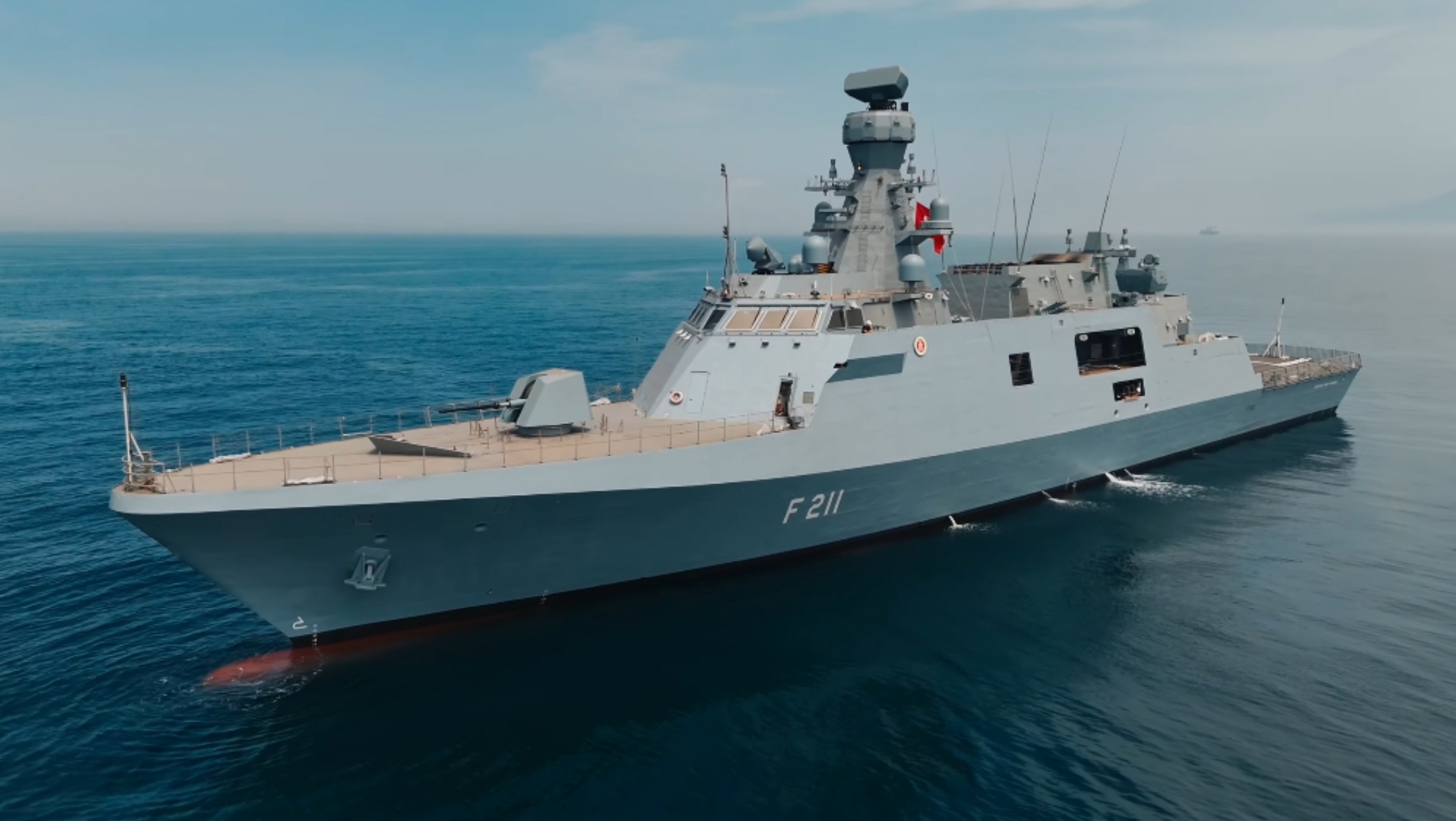
The path to a successful clearance operation is blocked by more than just mines; it is blocked by diplomacy. Turkey, a pivotal actor in both NATO and Middle Eastern affairs, has indicated a cautious approach. Turkish officials have suggested that their participation in a mine-clearing effort would be contingent upon a broader agreement between the United States and Iran.
Ankara’s position reflects its desire to act as a mediator. By tying its naval contribution to a US-Iran deal, Turkey is leveraging its position to push for a diplomatic resolution rather than a purely military one. This creates a complex dependency: if the U.S. And Iran cannot reach a baseline agreement on the cessation of hostilities and the lifting of certain maritime restrictions, the coalition for mine clearance may lack the regional legitimacy needed to operate without further provocation.
The tension is further complicated by the U.S. Treasury Department’s Office of Foreign Assets Control (OFAC), which has implemented “secondary sanctions” against Iranian tankers. This policy has led to the interception of multiple Iranian vessels by U.S. Forces, which in turn triggers retaliatory seizures by the IRGC. For countries like South Korea, Japan, and India—all of whom are heavily affected by the blockade—the goal is to decouple the technical necessity of mine clearance from the political warfare of sanctions and seizures.
Key Stakes in the Strait of Hormuz
| Stakeholder | Primary Risk | Strategic Objective |
|---|---|---|
| South Korea | Energy price spikes; industrial slowdown | Secure oil transit; minimize diplomatic friction |
| United States | Global oil market collapse; loss of naval prestige | Enforce sanctions; ensure freedom of navigation |
| Iran (IRGC) | International isolation; potential military strike | Leverage shipping lanes for sanctions relief |
| Turkey | Regional instability; strained NATO relations | Maintain mediator status; ensure Bosphorus security |
The Human and Economic Cost of Maritime Blockades
The impact of the current crisis extends beyond government balance sheets to the crews of the ships attempting to navigate the Strait. The seizure of vessels—including those flying Panama and Liberia flags—has turned the Persian Gulf into a zone of high anxiety for merchant mariners. When a ship is seized by the IRGC, the crew often faces indefinite detention and psychological pressure, used as pawns in a larger geopolitical game.
From an economic perspective, the “mine threat” acts as a hidden tax on every barrel of oil. Even if no ships are sunk, the mere possibility of a mine strike forces insurance companies to hike “War Risk” premiums. These costs are eventually passed down to the consumer, contributing to global inflation. The urgency for a clearance operation is therefore not just about removing explosives, but about removing the risk of explosives to stabilize the global insurance and shipping markets.
For the international community, the challenge is that mine clearance is a slow, meticulous process. Unlike a missile strike, which is instantaneous, mine hunting requires a methodical sweep of the ocean floor. If the operation is not coordinated and comprehensive, a single missed mine can negate the perceived safety of the entire shipping lane, keeping prices high and tensions elevated.
What Which means for Global Security
The potential involvement of South Korea in a mine clearance operation signals a shift in how middle powers approach maritime security. No longer content to rely solely on the U.S. Navy for protection, nations like South Korea are recognizing that their economic survival requires active participation in “grey zone” security operations—tasks that are not quite full-scale war but are far more dangerous than routine patrolling.
the integration of Ukrainian technology into a Middle Eastern crisis demonstrates the globalization of security expertise. The “export” of combat-proven drone technology from the European theater to the Persian Gulf suggests a new era of military cooperation where tactical lessons from one conflict are rapidly applied to another to prevent escalation.
However, the underlying problem remains the lack of a permanent diplomatic framework for the Strait of Hormuz. As long as the Strait is used as a tool for political leverage by Tehran and a site for sanctions enforcement by Washington, the removal of mines will be a temporary fix. The “clearing” of the water is a technical success, but the “clearing” of the political air is the only way to ensure long-term stability.
Frequently Asked Questions
- Why is the Strait of Hormuz so important? It is the world’s most vital oil chokepoint, connecting the Persian Gulf to the open ocean. A significant portion of the world’s liquefied natural gas (LNG) and crude oil passes through this narrow waterway.
- What are mine countermeasures (MCM)? MCM refers to the set of naval operations designed to find and neutralize naval mines. This includes the use of sonar, underwater drones, divers, and specialized ships.
- Why would Ukraine provide drones for this operation? Ukraine has developed advanced autonomous underwater vehicles (AUVs) during its conflict with Russia, specifically for monitoring and clearing maritime zones. Their technology is currently among the most battle-tested in the world.
- What is the risk to South Korea? The primary risk is the potential for the IRGC to view South Korean participation as an act of aggression, which could lead to the seizure of South Korean tankers or diplomatic retaliation.
Looking Ahead: The Road to Resolution
The immediate future of the Strait of Hormuz depends on the outcome of the ongoing, often secretive, negotiations between the U.S. And Iran. The “weekend negotiation” rumors and the tentative signals from the Trump administration suggest a desire to avoid a full-scale naval war, but the gap between the two sides remains wide.
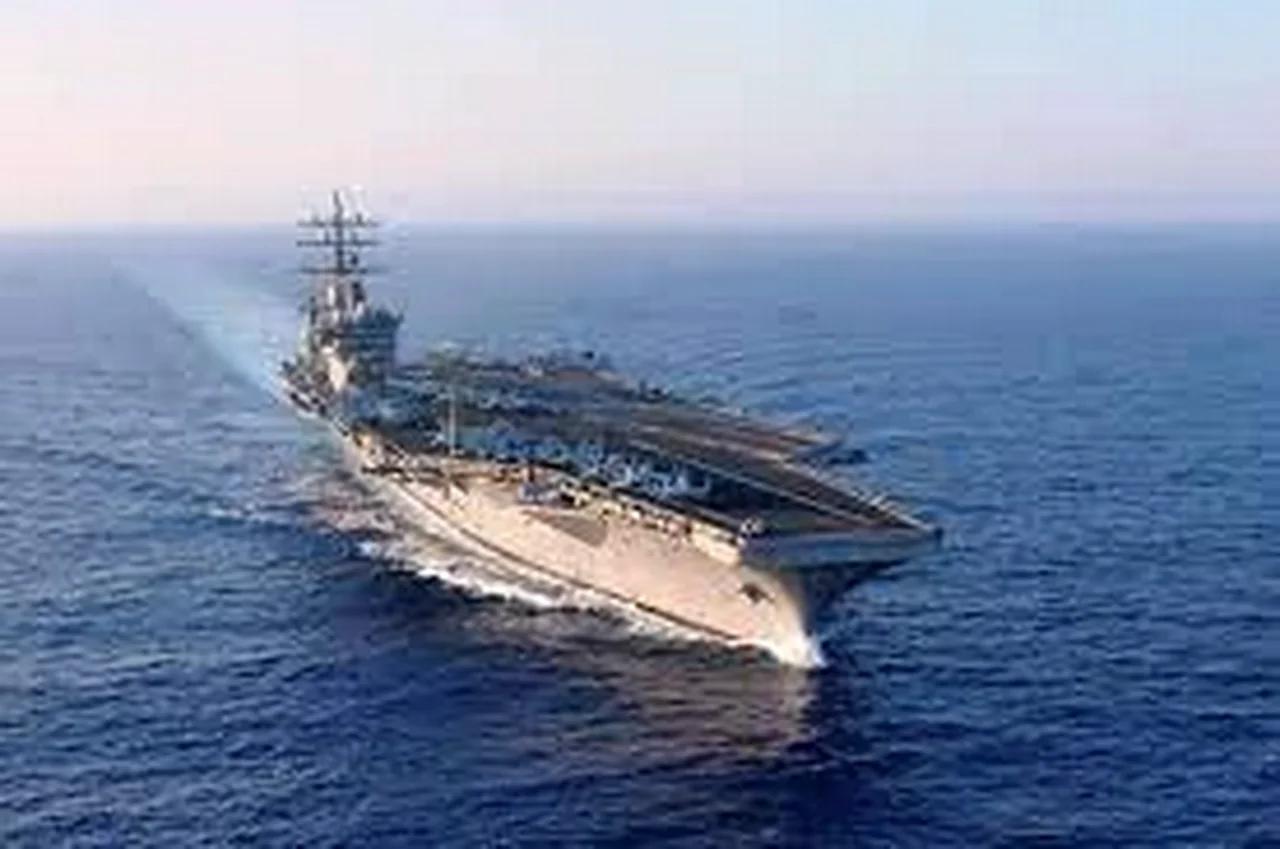
The next critical checkpoint will be the formal announcement from the Blue House regarding the scale and timing of any naval deployment. If Seoul commits assets, it will likely be as part of a combined task force, potentially alongside other energy-dependent Asian nations. The world will also be watching to see if Turkey’s condition for participation—a US-Iran agreement—is met, or if the urgency of the mine threat forces Ankara to act independently.
As the estimated six-month window for mine removal begins to loom, the international community must decide if it is willing to invest the diplomatic capital necessary to ensure that the “clearance” of the Strait is not interrupted by further conflict. For now, the world remains on edge, waiting for a signal that the world’s most vital artery is once again safe for passage.
Do you believe international coalitions are the best way to handle maritime chokepoints, or should these issues be resolved purely through bilateral diplomacy? Share your thoughts in the comments below.