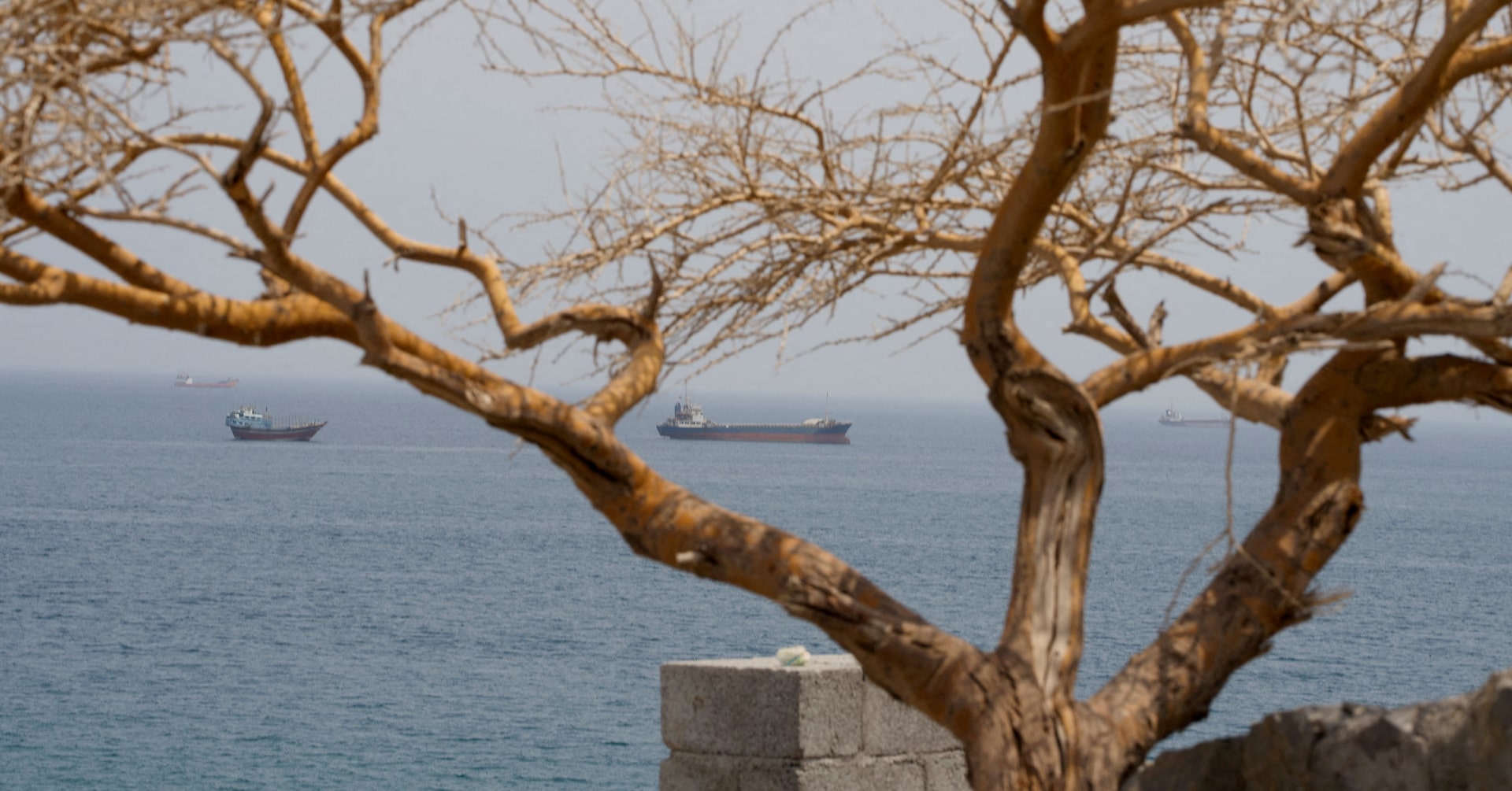
Shipping traffic through the Strait of Hormuz dropped to a one-week low on Tuesday, with vessel-tracking records showing only eight ships navigating the strategic waterway according to Reuters tracking data. The depressed tally reflects ongoing regional hostilities and continued hesitancy among shipowners to enter the vital energy corridor.
Strait of Hormuz Traffic Dips to One-Week Low
Data compiled by Streamlinefeed and arabtimesonline.com indicated that Tuesday’s count of eight vessels fell below the recent 10-day average of approximately 12 ships. Out of the total transits recorded, seven vessels entered the waterway hugging Iran’s coastal route, while just one coal carrier was tracked exiting the strait. Separate data provided by LSEG recorded 11 transits for Tuesday, marking a decline from 14 transits the previous day. Before Iran closed the waterway following U.S.-Israeli strikes that began on February 28, approximately 130 to 140 ships typically crossed the strait daily.
Stalemate and Closure Conditions
Prospects for reopening the critical shipping lane appeared to dim further as regional actors traded warnings. Tehran has maintained that the waterway will stay closed unless Washington accepts its conditions. Mehdi Mohammadi, a senior adviser to Iran’s parliament speaker, stated that Iran would not reopen the strait until there was a credible end to the ongoing conflict, describing the current situation as the calm before the storm and asserting that Iran would dictate the fighting’s timing and scope.
Meanwhile, the United States and Yemen’s Iran-aligned Houthis reported separate attacks amid the stalled diplomacy. Shipping companies have largely avoided a U.S. military-backed transit arrangement following Iranian attacks on those escorted routes. Additionally, at least 70 ships remained trapped in the Persian Gulf as of August 7, according to USNI News tracking cited in regional reports.
Global Energy and Economic Impacts
The operational bottleneck in the Strait of Hormuz continues to reverberate through international energy markets and domestic fuel budgets. Brent crude traded between $88 and $90 per barrel, while the U.S. Energy Information Administration forecast a third-quarter average near $85 per barrel.
The disruption has driven financial pressure across developing fuel markets:
- Nairobi: The Energy and Petroleum Regulatory Authority held super petrol prices at KSh214.03 per litre through August 14, utilizing KES 945 million from the Petroleum Development Levy to maintain flat retail pricing.
- Lagos: Nigeria’s Dangote refinery reduced its petrol gantry price to ₦1,165 per litre on August 5 from ₦1,215, though local pump prices remain approximately 40 percent higher than pre-war levels.
- Red Sea Transit: Traffic at the southern end of the Red Sea showed minor shifts, with 30 vessels crossing the Bab al-Mandab Strait on Tuesday, surpassing a 10-day average of 25.
Amid the maritime restrictions, Iranian lawmaker Ahmad Ajam, a member of parliament’s National Security and Foreign Policy Committee, asserted that a U.S. naval blockade would ultimately fail and that American forces would be compelled to leave the region, arguing that maintaining the blockade would prove more costly for the United States than for Iran.
Worth a look