
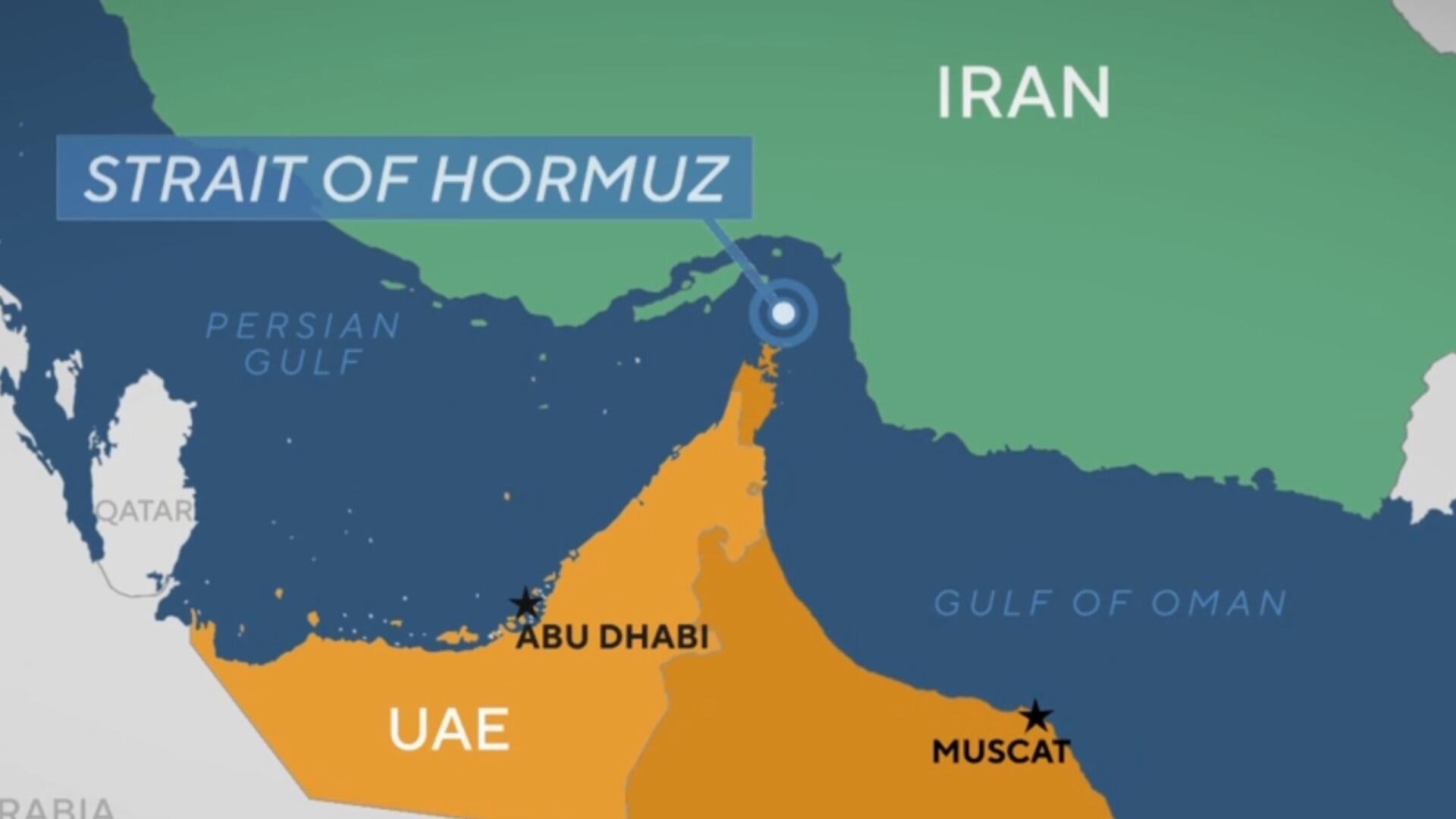
Diplomatic efforts are intensifying this week as international mediators scramble to arrange a second round of US-Iran talks, seeking a resolution to a volatile naval blockade that threatens to destabilize global energy markets. The push for renewed negotiations comes as a fragile truce collapses, replaced by a high-stakes military showdown in the Strait of Hormuz that risks reigniting full-scale hostilities between the two powers.
The current crisis escalated rapidly following the breakdown of ceasefire talks, culminating in U.S. President Donald Trump’s announcement of a naval blockade on Sunday evening. The move has effectively throttled one of the world’s most critical maritime chokepoints, leaving hundreds of vessels in limbo and forcing the international community to seek a diplomatic off-ramp before the situation spirals further.
For diplomats, the objective is clear: secure a second round of US-Iran talks amid American blockade measures to establish a sustainable maritime security framework. The urgency is driven by the fact that while a ceasefire was briefly implemented earlier this month, the failure to agree on the logistics of the Strait of Hormuz has left the region on a knife-edge.
Naval Blockade and the Battle for Maritime Control
The U.S. Naval blockade, which officially began on Monday, has created a stark divide between official military reports and independent ship-tracking data. According to BBC Verify, 18 vessels were tracked transiting the Strait of Hormuz in the window between the breakdown of ceasefire talks and the announcement of the blockade.
US Central Command has maintained a strict posture, stating on Tuesday that six vessels complied with orders to turn around and asserting that no ships originating from Iranian ports successfully bypassed the blockade. However, MarineTraffic data suggests a more complex reality on the water. Four vessels with links to Iran have reportedly crossed the strait, though some appear to have reversed course shortly after.

Among the ships identified are the US-sanctioned tanker Rich Starry, which sailed east from Sharjah in the UAE before changing direction, and the bulk carrier Christianna, which had called at Bandar Iman Khomeini in Iran on Monday before also turning back. Another sanctioned tanker, the Elpis, transited the strait on Tuesday, potentially originating from the Iranian port of Bushehr, and was later observed stationary on the eastern side of the waterway, according to BBC reports.
The situation is further complicated by “spoofing”—the practice of vessels submitting false or incomplete location data to evade detection. Despite the blockade, two Iranian-flagged ships, the cargo ship Ashkan3 and the container ship Shabdis, managed to depart the vicinity of Iran’s Chahbahar port on Tuesday. Because Chahbahar is located east of the Strait of Hormuz on Iran’s southern coast, these vessels were able to travel more than 500km out of Iranian waters without directly challenging the blockade in the strait.
The Collapse of the April Ceasefire
The current blockade follows a brief period of optimism. On April 8, U.S. President Donald Trump announced a two-week ceasefire intended to lower tensions and facilitate a reduction in the traffic build-up within the strait. At the time, Iran’s foreign minister, Abbas Araqchi, indicated that Tehran would cease counter-attacks and provide safe passage in coordination with its armed forces, provided that attacks against Iran stopped and technical limitations were considered, as reported by CBC News.
However, the truce proved insufficient. By April 8, reports from The New York Times indicated that ship traffic remained throttled, with only a handful of vessels crossing the waterway. Shipowners and insurers remained hesitant, fearing that the ceasefire lacked the necessary guarantees to ensure the safety of their crews and cargo.
The failure of the ceasefire to restore normal shipping patterns created a vacuum that led directly to the current naval blockade. The transition from a diplomatic truce to a military blockade in less than a week underscores the deep mistrust between Washington and Tehran, making the proposed second round of talks a critical necessity for regional stability.
Economic Stakes: The 172-Million-Barrel Logjam
The geopolitical struggle is compounded by a massive economic bottleneck. The Strait of Hormuz is the world’s most important oil transit chokepoint, and the current instability has created a maritime logjam of historic proportions. According to data from ship tracker Kpler, as of Tuesday, April 7, approximately 187 tankers carrying an estimated 172 million barrels of crude oil and refined products were afloat inside the strait, according to CBC News.
This concentration of energy assets makes the region hypersensitive to any military miscalculation. Refiners have spent the last several days inquiring about new crude loadings, while shippers have sought clarity on the logistics of reviving passage. The “logjam” is expected to persist for weeks, even if a diplomatic breakthrough is reached, due to the sheer volume of stranded tankers waiting to access the waterway.
The impact extends beyond the immediate region. Any prolonged closure or significant disruption of the strait typically leads to volatility in global oil prices, affecting everything from transportation costs to consumer goods worldwide. The pressure on diplomats to arrange the second round of talks is therefore not just a matter of regional security, but of global economic stability.
Summary of Maritime Status (April 2026)
| Metric | Detail/Value | Source/Status |
|---|---|---|
| Tankers inside Strait (Apr 7) | ~187 vessels | Kpler / CBC |
| Total Cargo (Apr 7) | 172 million barrels | Kpler / CBC |
| Vessels tracked (Recent) | 18 vessels | BBC Verify |
| US Blockade Start Date | Monday, April 13 | Official Announcement |
| US-ordered turn-arounds | 6 vessels | US Central Command |
What Happens Next?
The immediate focus for the international community is the establishment of a venue and agenda for the second round of US-Iran talks. Mediators are expected to prioritize the “safe passage” logistics that Abbas Araqchi previously mentioned, attempting to find a middle ground that satisfies U.S. Security requirements while allowing the flow of energy to resume.
Key points of contention for the upcoming talks are likely to include:
- The conditions under which the U.S. Naval blockade will be lifted.
- Verification mechanisms to ensure that vessels from Iranian ports are not transporting prohibited cargo.
- A revised timeline for the ceasefire to prevent another rapid collapse.
- Coordination between the U.S. Navy and Iranian armed forces to manage the existing tanker logjam.
As of Wednesday, April 15, no official date has been set for the renewed talks, but the pressure from global refiners and the risk of a maritime accident are pushing both sides toward the negotiating table. The world now waits to see if diplomacy can once again supersede military force in the narrow waters of the Hormuz.
We will continue to monitor official statements from the U.S. State Department and the Iranian Foreign Ministry for updates on the scheduling of these talks. We invite our readers to share their perspectives on the situation in the comments below and share this report to keep others informed on this developing global crisis.
Worth a look