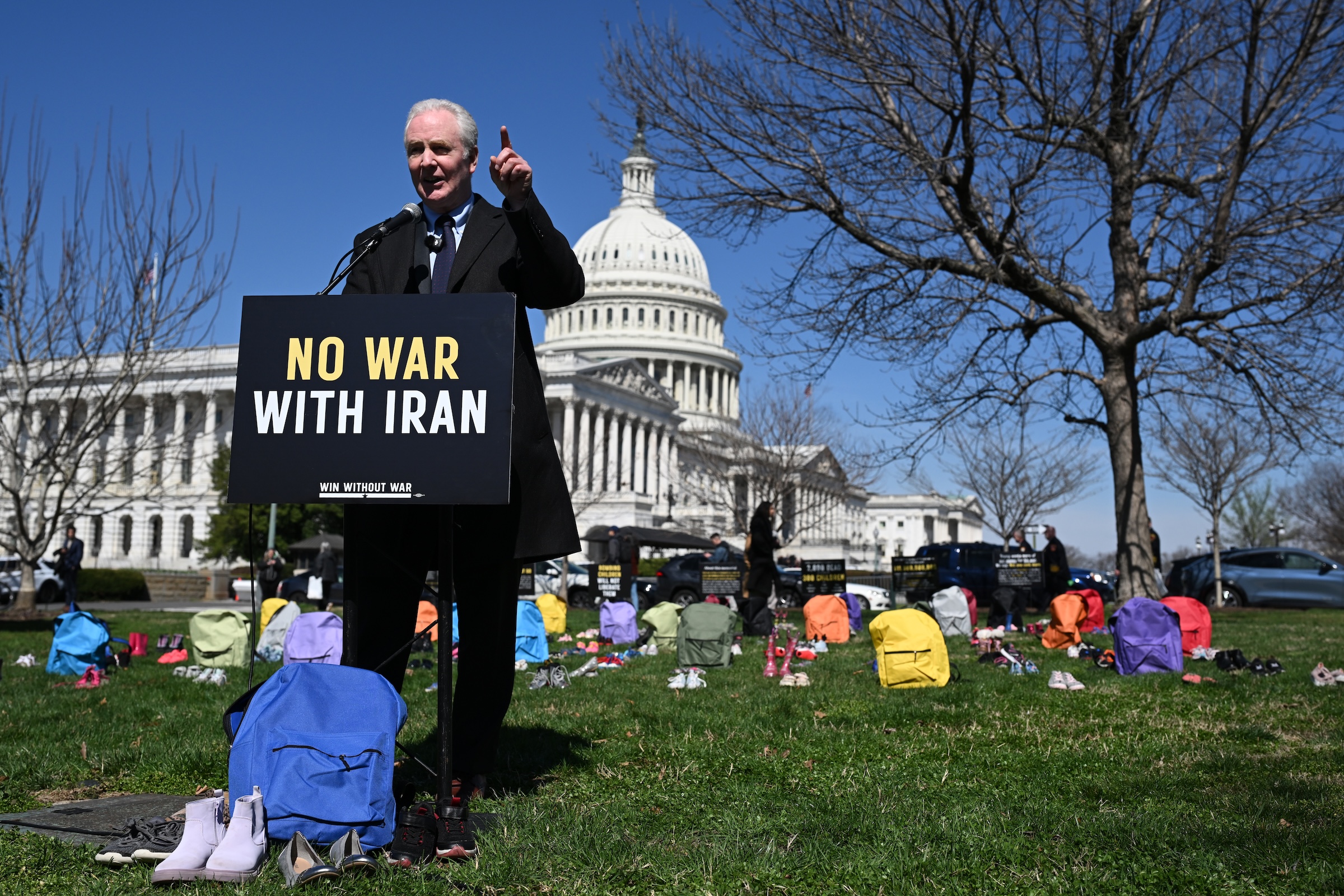
A group of U.S. Senators has intensified efforts to curtail military engagement in the Middle East, introducing new War Powers resolutions aimed at ending the U.S. War on Iran. Senator Chris Van Hollen (D-MD) has signaled the urgency of this move, stating that ending the conflict is his “top priority” as diplomatic discussions between U.S. And Iranian officials continue to falter.
The push for these resolutions comes as part of a broader Democratic strategy in the Senate to reclaim legislative oversight of military actions. The effort is led by a coalition of senators, including Kirsten Gillibrand (D-N.Y.), Mark Kelly (D-AZ), Andy Kim (D-NJ), and Jeff Merkley (D-OR), who are seeking to utilize the War Powers Act to limit executive authority in the region.
Under the rules of the Senate, War Powers Resolutions are considered privileged. This designation means that any senator can bring such a resolution to the Senate floor for a vote ten days after This proves filed, providing a relatively fast track for legislative challenges to ongoing military operations according to official filings.
This legislative movement occurs against a backdrop of heightened tension and a perceived breakdown in diplomatic channels. The involved senators argue that the lack of progress in talks necessitates a formal legislative check to prevent further escalation and to prioritize a diplomatic resolution over military conflict.
The Mechanism of War Powers Resolutions
The use of War Powers resolutions is a specific legal strategy designed to ensure that the United States does not enter or remain in a conflict without the explicit consent of Congress. By introducing these resolutions, Senators Van Hollen, Gillibrand, Kelly, Kim, and Merkley are attempting to trigger a mandatory review of the legality and necessity of current military operations regarding Iran.
The “privileged” status of these resolutions is a critical component of the strategy. Because they can be brought to a vote within ten days, they force the Senate to confront the issue of military engagement regardless of the current legislative calendar or the preferences of the Senate leadership. This mechanism is intended to provide a check on the executive branch’s ability to conduct prolonged military actions without a formal declaration of war or specific statutory authorization.
The coalition of senators joining this push includes a diverse group of Democrats and Independents. In addition to the primary sponsors, other senators have been involved in similar filings over recent weeks, indicating a coordinated effort to challenge the current administration’s approach to Iranian affairs.
Broader Legislative Priorities of the Coalition
While the current focus is on the War Powers push, several of the senators involved in the Iran resolutions are also pursuing domestic economic reforms. For instance, Senator Kirsten Gillibrand and colleagues, including Chris Van Hollen, Mark Kelly, Cory Booker, and Andy Kim, recently introduced the Working Americans’ Tax Cut Act on March 16, 2026 via a Senate press release.

This separate piece of legislation aims to provide tax relief to approximately 130 million working Americans by eliminating federal income taxes for those earning under the median cost of living, cited as $46,000. The bill also proposes tax breaks for individuals earning between $46,000 and $80,500. These dual efforts—challenging military engagement abroad and pushing for economic relief at home—reflect a broader policy agenda focused on reducing government spending on conflict and increasing the disposable income of working families.
Key Stakeholders in the War Powers Push
- Senator Chris Van Hollen (D-MD): Leading the push with a stated “top priority” of ending the war on Iran.
- Senator Kirsten Gillibrand (D-N.Y.): Co-sponsor of the resolutions and advocate for legislative oversight of military actions.
- Senator Mark Kelly (D-AZ): Part of the coalition seeking to limit executive war powers.
- Senator Andy Kim (D-NJ): Collaborating on the resolutions to end military conflict.
- Senator Jeff Merkley (D-OR): Involved in the filing of resolutions to challenge the U.S. War on Iran.
- Senator Raphael Warnock (D-GA): Joined the group in putting forth new resolutions per public records.
Impact of Faltering Diplomatic Talks
The timing of these resolutions is closely tied to the status of diplomatic negotiations. The senators have expressed concern that as talks between Iranian and U.S. Officials falter, the risk of military escalation increases. By introducing these resolutions now, the senators aim to create a legislative barrier to escalation, effectively signaling that continued military action without Congressional approval is unacceptable.
The failure of diplomatic channels often leads to a reliance on “maximum pressure” campaigns or direct military strikes. The War Powers resolutions are intended to disrupt this cycle by forcing a public debate in the Senate regarding the efficacy and legality of such actions. This approach shifts the focus from executive discretion to legislative mandate, requiring the administration to justify its military posture before a vote of the Senate.
For the global community, this legislative push represents a potential shift in U.S. Foreign policy. If these resolutions were to gain traction or pass, it could significantly alter the U.S. Military footprint in the region and force a return to the negotiating table with a more constrained executive mandate.
What Happens Next
The immediate next step is the ten-day window following the filing of the resolutions. Because these are privileged resolutions, any of the sponsoring senators can move to bring them to the floor for a vote. The outcome will depend on whether the coalition can garner enough support from other senators to override the administration’s current military strategy.
Observers will be watching for whether the administration responds with new diplomatic initiatives to preempt the resolutions or if the Senate moves toward a formal vote to limit war powers. The intersection of these foreign policy challenges and the domestic economic pressures—such as those addressed in the Working Americans’ Tax Cut Act—will likely define the legislative priorities of this coalition in the coming months.
We invite our readers to share their thoughts on the use of War Powers resolutions in the comments section below. How do you view the balance between executive authority and legislative oversight in foreign conflicts?
Worth a look