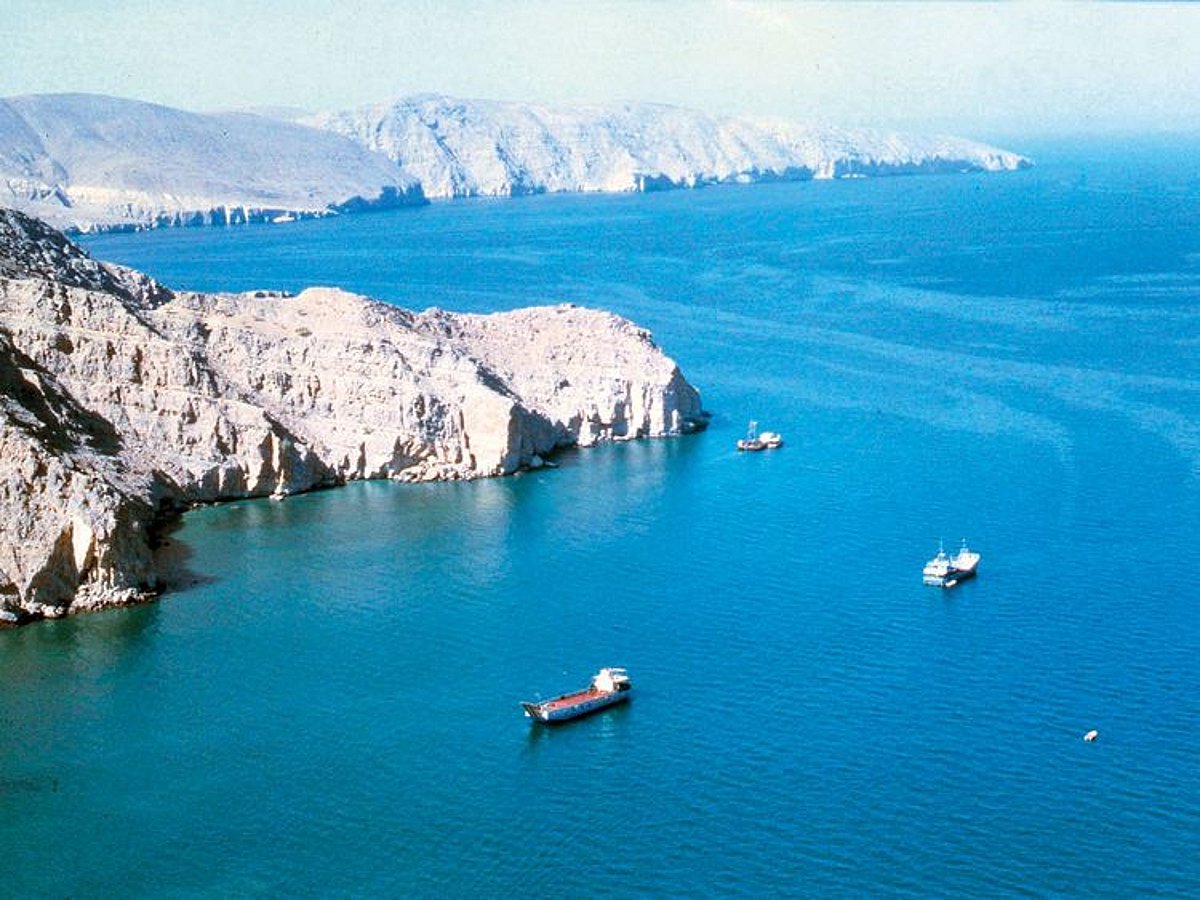
Sofia, Bulgaria – International efforts to ensure the continued flow of maritime traffic through the Strait of Hormuz are intensifying, with the United Kingdom taking a leading role in coordinating a response to recent incidents impacting shipping in the region. The situation, unfolding against a backdrop of heightened geopolitical tensions in the Middle East, has prompted a coalition of approximately 40 nations to convene and discuss strategies for de-escalation and the safeguarding of vital trade routes. This comes after reports of several cargo ships being impacted off the coast of Iran, raising concerns about potential disruptions to global energy supplies and international commerce.
The Strait of Hormuz, a narrow waterway connecting the Persian Gulf with the Gulf of Oman and the Arabian Sea, is one of the world’s most strategically important chokepoints. Approximately 20% of the world’s oil supply passes through the strait daily, making its security paramount to global economic stability. Recent events have underscored the vulnerability of this critical passage, prompting a swift and concerted international response. The UK’s initiative to bring together a broad coalition of nations signals a commitment to maintaining freedom of navigation and preventing further escalation in the region.
Recent Incidents and International Response
Reports surfaced on Friday, April 3, 2026, detailing incidents involving three cargo ships operating near the Iranian coast. According to reports from the UK government, one of these incidents occurred within the Strait of Hormuz itself. CNBC reports that the UK has not yet publicly attributed responsibility for these incidents, but the timing and location have raised concerns about potential interference with maritime traffic. The incidents have prompted a flurry of diplomatic activity, with the UK leading efforts to convene a meeting of international partners to address the situation.
The response has been swift, with approximately 40 countries reportedly participating in discussions aimed at de-escalating tensions and ensuring the safe passage of vessels through the strait. Le Monde reports that these nations are calling for the “immediate reopening” of the strait, emphasizing the importance of maintaining free and unimpeded access for commercial shipping. The countries of the Gulf region have also reportedly requested a green light from the United Nations to intervene and secure the waterway, highlighting the regional implications of the situation.
Geopolitical Context and Potential Implications
The current situation unfolds against a complex geopolitical backdrop, marked by ongoing tensions between Iran and several regional and international actors. The broader context of conflict in the Middle East, including the ongoing ramifications of regional conflicts, contributes to the heightened sensitivity surrounding the Strait of Hormuz. The potential for miscalculation or escalation remains a significant concern, and international efforts are focused on preventing further incidents and promoting dialogue.
The security of the Strait of Hormuz is inextricably linked to global energy markets. Disruptions to oil flows through the strait could have significant economic consequences, leading to price increases and potential supply shortages. Beyond energy markets, any disruption to maritime traffic could impact global trade and supply chains, affecting businesses and consumers worldwide. The international community has a vested interest in maintaining the stability of the region and ensuring the continued flow of goods and energy through this vital waterway.
The Role of International Actors
The United Kingdom has taken a leading role in coordinating the international response, leveraging its diplomatic influence and naval presence in the region. The US Navy also maintains a significant presence in the Persian Gulf and has historically played a key role in ensuring the security of the Strait of Hormuz. Other nations, including France, are also contributing to the effort to de-escalate tensions and safeguard maritime traffic. The involvement of a broad coalition of countries underscores the international consensus on the importance of maintaining stability in the region.
The response from Iran remains a key factor in determining the future course of events. While Iranian officials have not directly claimed responsibility for the recent incidents, they have consistently maintained their right to control access to the Strait of Hormuz and have warned against any interference in the region. The potential for further escalation will depend on Iran’s actions and its willingness to engage in constructive dialogue with the international community.
Looking Ahead: Potential Scenarios and Next Steps
Several potential scenarios could unfold in the coming days and weeks. One possibility is that the international coalition’s efforts to de-escalate tensions will succeed, leading to a reduction in incidents and a return to normalcy in the Strait of Hormuz. Another possibility is that tensions will continue to escalate, potentially leading to further incidents or even a direct confrontation. The outcome will depend on a complex interplay of factors, including the actions of Iran, the effectiveness of international diplomacy, and the broader geopolitical context.
The immediate next steps involve continued diplomatic engagement, increased maritime surveillance, and enhanced coordination among international naval forces. The UK is expected to continue leading the effort to convene meetings of international partners and to explore options for de-escalation. The United Nations Security Council may also consider taking up the issue, potentially issuing a resolution calling for restraint and a peaceful resolution to the crisis. The situation remains fluid and requires close monitoring and a coordinated international response.
The countries of the Gulf are also seeking a resolution through the United Nations, requesting authorization to intervene and secure the strait. France 24 details this request, highlighting the regional desire for a UN-backed solution. The urgency of the situation is underscored by London’s statement emphasizing the “urgent necessity” of reopening the strait. Medias24 reports on this, further emphasizing the international pressure to resolve the situation quickly.
The situation in the Strait of Hormuz remains a critical concern for global security and economic stability. Continued vigilance, diplomatic engagement, and a commitment to international cooperation are essential to preventing further escalation and ensuring the safe passage of vessels through this vital waterway. We will continue to monitor developments closely and provide updates as they become available. Share your thoughts on this evolving situation in the comments below.
Keep reading