/data/photo/2026/06/29/6a4203c1110c9.png)
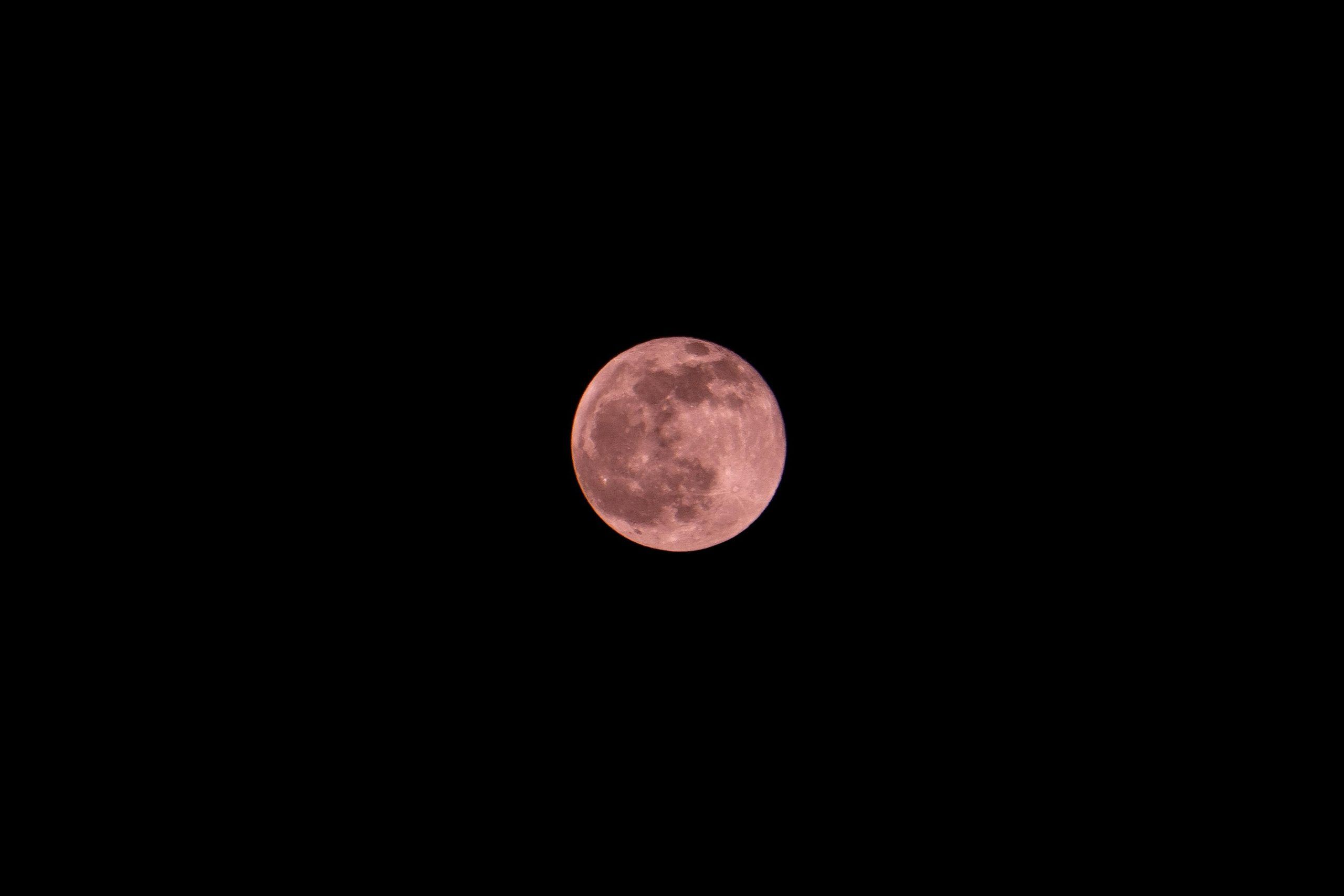
The Strawberry Moon, a recurring astronomical event, reaches its peak illumination this month, offering observers across the globe a clear view of the full lunar cycle. According to data from the NASA Moon Phase and Libration Calculator, this full moon marks the sixth of the year and serves as the final full moon of the spring season in the Northern Hemisphere. While the name suggests a specific color, the moon will appear in its standard pearlescent or golden hue, depending on atmospheric conditions at the time of observation.
The term “Strawberry Moon” originates from North American colonial traditions, specifically those of the Algonquin, Ojibwe, Dakota, and Lakota peoples, who used the lunar calendar to track the ripening of wild strawberries in the region. The Old Farmer’s Almanac notes that this naming convention acts as a seasonal marker rather than a description of the celestial body’s physical appearance. Despite the name, the moon does not exhibit a strawberry-red tint during this phase.
Understanding the Lunar Cycle
A full moon occurs when the moon is located on the opposite side of the Earth from the sun, with the face of the moon fully illuminated from our perspective. The Time and Date astronomical portal explains that this alignment results in the moon rising around sunset and setting around sunrise. Because the orbit of the moon is elliptical, the distance between the Earth and the moon varies, which can lead to slight differences in the perceived size and brightness of the lunar disk.

In various cultures, the June full moon carries different names. In Europe, it has historically been referred to as the “Rose Moon” or the “Hot Moon,” reflecting the onset of summer temperatures. These seasonal identifiers demonstrate how ancient societies synchronized their agricultural and social activities with the predictable cycles of the night sky.
How to View the Moon Safely
Observing a full moon requires no special equipment, as the light reflected from the lunar surface is safe for the human eye. Astronomers often suggest that the best time to view the moon is shortly after moonrise, when the “moon illusion”—a psychological phenomenon where the moon appears larger near the horizon due to its proximity to terrestrial objects—is most pronounced. According to the Sky & Telescope guide, using binoculars or a small telescope can reveal details such as lunar craters and the dark basaltic plains known as maria.
For optimal viewing, observers should seek locations with minimal light pollution and an unobstructed view of the eastern horizon. Urban areas may experience glare from street lighting, so moving to a darker environment can significantly enhance the visual clarity of the lunar features.
The Physics of Moon Colors
While the Strawberry Moon is not red, the moon can occasionally appear orange, pink, or deep red during a lunar eclipse or when it is positioned very low in the sky. This is due to Rayleigh scattering, the same physical process that causes the sky to appear blue during the day and sunsets to appear red. As the light from the moon passes through a thicker layer of the Earth’s atmosphere, shorter wavelengths of light—such as blue and violet—are scattered, leaving the longer red and orange wavelengths to reach the observer’s eyes. The UK Met Office confirms this effect is most intense when the atmosphere contains high levels of dust, smoke, or pollution.
The next full moon, often referred to as the Buck Moon, is scheduled to occur in July. Readers interested in tracking future celestial events can consult official updates from the International Astronomical Union. We encourage readers to share their observations and photographs of the lunar cycle in the comments section below.
Related reading