Strengthening Healthcare Resilience: Lessons from Israeli Models and German Coordination
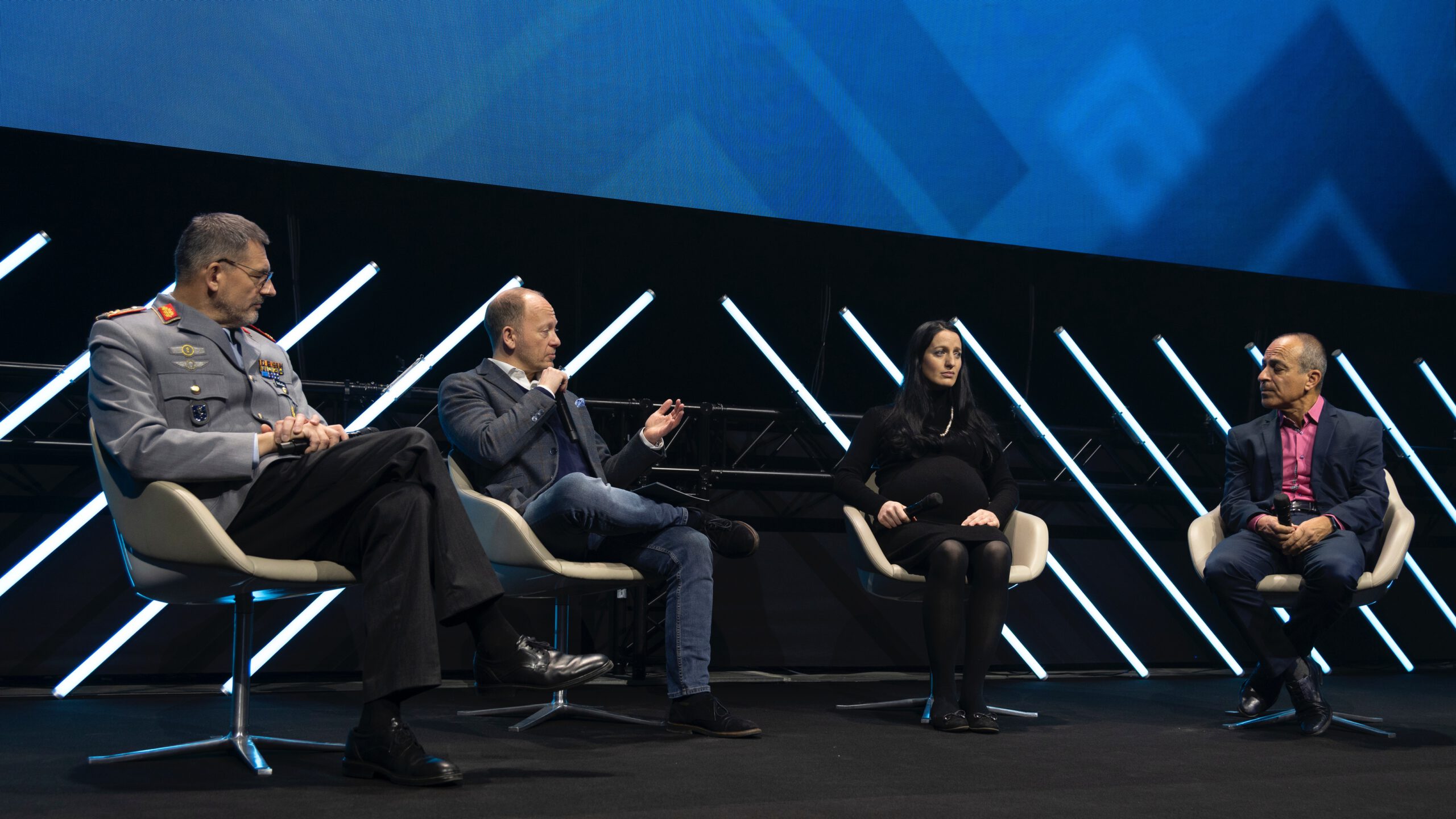
The recent Safety Camp 2026, held on January 28th, 2026, in Augsburg, Germany, at the Kongress am Park, served as a crucial platform for discussing and enhancing healthcare resilience. A key panel discussion focused on the critical integration of civilian and military healthcare structures, drawing valuable insights from Israeli strategies and examining their applicability within the German context.
Professor Gamzu highlighted the necessity of clearly defined communication pathways and operational procedures established before a crisis emerges, enabling swift decision-making when circumstances demand it. This viewpoint was reinforced from a German viewpoint by Generalstabsarzt Backus, who emphasized that true resilience stems not from isolated measures, but from effective coordination between federal and state authorities – a particularly vital component in federal systems. Proactive clarification and continuous training of responsibilities are paramount, rather than attempting to resolve them amid the chaos of a crisis.
A meaningful portion of the discussion centered on maintaining patient safety and continuity of care even under the most extreme conditions. Julia Obermeier showcased Israeli protective and infrastructural concepts designed to sustain medical services despite severe disruptions or attacks. These encompass physically protected care areas,redundant systems,and robust technical protection measures.Notably, Israel’s commitment to such infrastructure is legally mandated, with legislation since 1992 requiring integrated protective spaces within public buildings, including hospitals. This long-term political commitment provides a foundational element of the nation’s crisis preparedness.
The role of leadership and organizational culture also received considerable attention. Professor Gamzu explained that resilient hospitals are characterized by clear decision-making processes, unambiguous accountability, and strong internal trust. Experiences following October 7th underscored the importance of preparing medical personnel, not only technically, but also organizationally for extreme events, always prioritizing the continuation of routine care and necessary surgeries even during a crisis – a point underscored in his work, “Im morgengrauen.”
A central takeaway from the panel was the understanding that resilience isn’t built during a crisis, but rather thru persistent long-term preparation, defined structures, and purposeful political prioritization. The discussion emphasized the importance of understanding the underlying principles of effective models, such as proactive integration of stakeholders, legally binding standards for protective infrastructure, and systematic collaboration between civilian and military healthcare providers, rather than attempting direct replication.
ELNET will continue to facilitate this critical exchange through the German Israeli Health Forum for Artificial Intelligence (GIHF-AI), further propelling the advancement of German healthcare resilience.
Keep reading