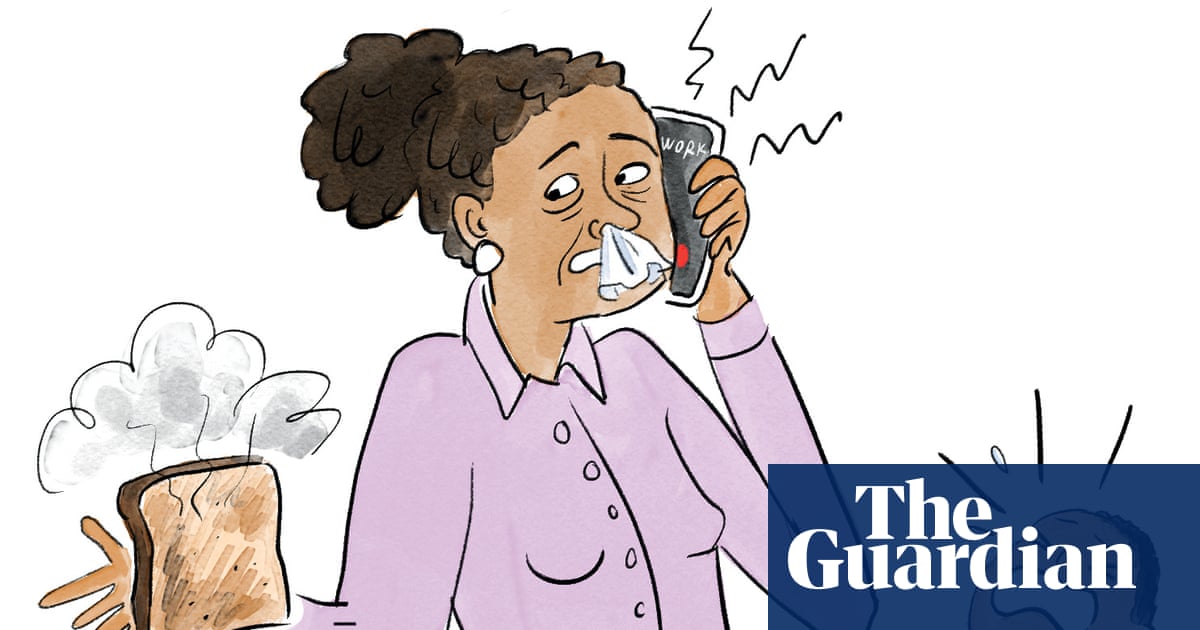
Stress & Your Immune System: A Deep Dive into the Science
Stress is a ubiquitous part of life. But how does it really impact your immune health? The connection is complex, and understanding it is crucial for protecting your well-being. Let’s break down the science, separating short-term effects from the dangers of chronic stress.
Short-Term Stress: A Temporary Shift
Experiencing a sudden, acute stressor – think a scary movie or a challenging presentation – causes a temporary shift in your immune system. Your body mobilizes for “fight or flight.”
* The number of immune cells in your bloodstream changes.
* Though, this shift is typically short-lived, returning to normal within about an hour.
* Thus, isolated incidents of short-term stress are unlikely to substantially compromise your immunity.
The Real Threat: Chronic Stress & Immune Suppression
Long-term, unmanaged stress is where the real problems begin. When your body consistently perceives a threat, your adrenal glands release stress hormones like adrenaline and cortisol. While these hormones prepare you to react, they also suppress your immune system.
This isn’t just theoretical. We can observe the effects at a molecular level. As explained in my book, Self Defense: A Myth-Busting Guide to Immune Health, adding cortisol to immune cells dramatically reduces their effectiveness. Specifically, they become less capable of destroying diseased cells, like cancer cells.
If this hormonal exposure continues for weeks or months, your immune system becomes significantly diminished. Essentially, chronic stress weakens your body’s defenses.
How Cortisol Impacts Immune Function
Cortisol’s impact on immune cells is multifaceted. it interferes with several key processes:
* Reduced Lymphocyte Production: Cortisol suppresses the production of lymphocytes - white blood cells critical for fighting off infections.
* Impaired communication: It disrupts the communication between immune cells, hindering their coordinated response.
* Inflammation Dysregulation: While cortisol initially reduces inflammation, prolonged exposure can lead to chronic, low-grade inflammation, which is linked to numerous health problems.
Rebuilding resilience: Strategies for Stress Management
Fortunately, you can mitigate the negative effects of stress on your immune system. Several practices have been shown to lower cortisol levels and support immune function:
* Mindfulness Meditation: Regular practice can calm the nervous system and reduce cortisol production.
* Tai Chi & Yoga: These mind-body practices combine physical movement with focused breathing, promoting relaxation and stress reduction.
* Regular Exercise: Physical activity is a powerful stress reliever, but avoid overtraining, which can actually increase cortisol.
* Prioritize Sleep: Aim for 7-9 hours of quality sleep each night. Sleep deprivation significantly elevates cortisol levels.
* Social Connection: Spending time with loved ones and building strong relationships provides emotional support and buffers against stress.
It’s important to acknowledge that eliminating stress entirely isn’t realistic – or even desirable. Change inherently involves some level of stress, and many changes are positive. The goal is to manage your stress response, not to avoid stress altogether.
When to Seek Professional Help
If you’re struggling to manage chronic stress, don’t hesitate to reach out to your doctor. They can definately help you develop a personalized plan to address your specific needs. Your GP can also rule out any underlying medical conditions that may be contributing to your stress or immune dysfunction.
Disclaimer: I am Dr. Helena Fischer, a content strategist and SEO expert. This article provides general information and should not be considered medical advice. Always consult with a qualified healthcare professional for any health concerns or before making any decisions related to your health or treatment.