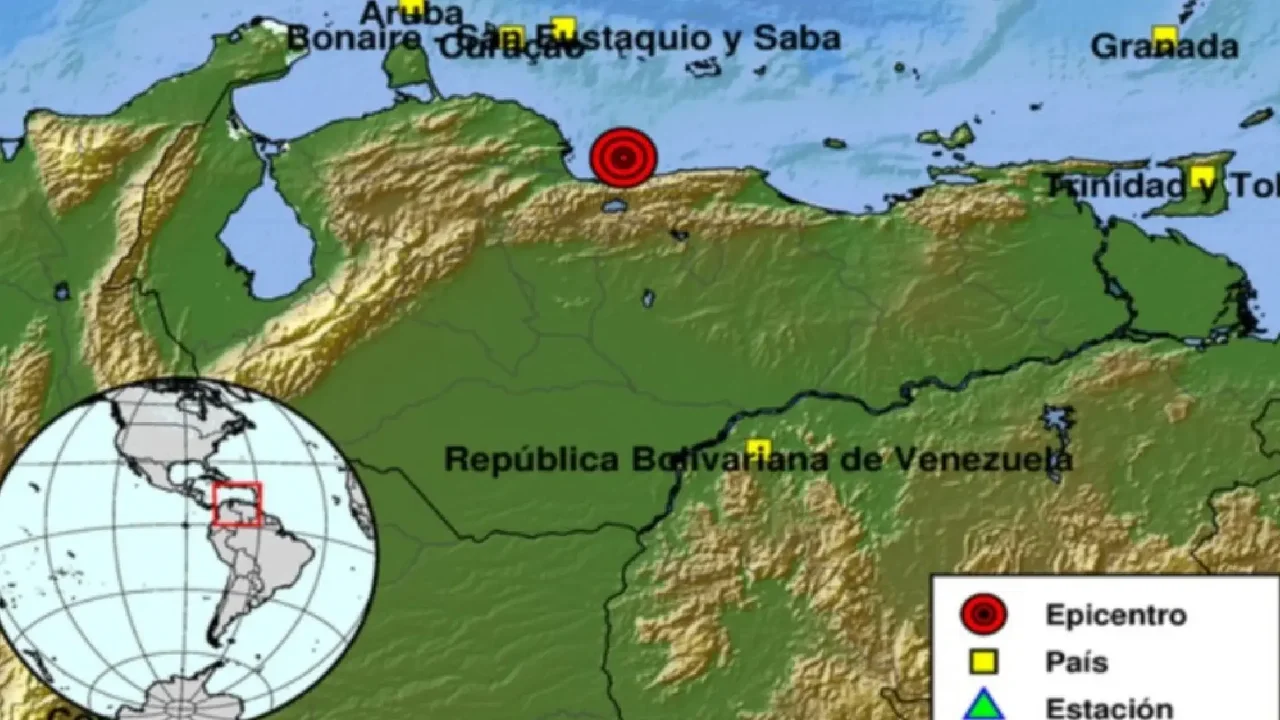
Seismological monitoring agencies reported a series of seismic events in Venezuela on June 26, 2026, prompting widespread alerts across multiple regions. While regional geological authorities confirmed several tremors, including localized activity near the state of Aragua, residents in various cities reported feeling significant ground movement, leading to immediate public safety concerns and emergency assessments.
According to data from the Servicio Geológico Colombiano, which monitors seismic activity across northern South America, these tremors are part of an ongoing period of geological instability in the region. The seismic sequence has included several magnitude-level events that triggered emergency protocols in Venezuelan urban centers. Local authorities have emphasized the importance of remaining calm and following established safety procedures during aftershocks.
Seismic Activity and Regional Impact
The sequence of tremors reported on June 26, 2026, began with an initial event that was felt across multiple states. According to the Fundación Venezolana de Investigaciones Sismológicas (FUNVISIS), the primary agency responsible for seismic monitoring in Venezuela, the events have been concentrated along known fault lines. While international monitors have tracked varying magnitudes—with some reports citing a 4.7-magnitude tremor and others noting a 5.4-magnitude aftershock—the exact intensity remains subject to ongoing verification by official Venezuelan geologists.
The areas most impacted by the reported ground movement include the state of Aragua, particularly the vicinity of Choroní, where residents described the tremors as strong and sustained. The United States Geological Survey (USGS) often provides independent global tracking for such events, though local infrastructure assessments remain the responsibility of national civil protection agencies. In Venezuela, the Protección Civil has been deployed to conduct structural inspections in the most affected municipalities.
Understanding Seismic Risk in Venezuela
Venezuela is located in a seismically active zone due to the interaction between the Caribbean Plate and the South American Plate. This geological context makes the country susceptible to frequent, though often minor, tremors. The recent activity on June 26, 2026, highlights the necessity for rigorous building code enforcement and public preparedness. Experts note that even moderate tremors can cause damage to older or non-reinforced structures, which is why local governments frequently issue building safety advisories following significant seismic events.
For residents, the primary guidance remains clear: identify safe zones within buildings, avoid elevators, and prepare “go-bags” containing essential supplies. Official updates regarding seismic activity are disseminated through the FUNVISIS official portal, which serves as the authoritative source for magnitude, depth, and epicenter data. Citizens are encouraged to rely exclusively on these official channels to avoid the spread of misinformation during the post-event recovery phase.
Current Emergency Protocols and Next Steps
As of June 26, 2026, emergency services remain on high alert for potential aftershocks. The standard procedure for Protección Civil involves the systematic review of critical infrastructure, including schools, hospitals, and major transportation arteries, to ensure structural integrity. There have been no immediate, verified reports of mass casualties or widespread structural collapse, though assessments are ongoing.

The next confirmed checkpoint for the public will be the release of the updated seismological report from the national monitoring agency, which typically provides a comprehensive analysis of the fault rupture and the probability of subsequent activity. Residents are advised to monitor official social media accounts of the Venezuelan Ministry of Interior and Justice for real-time safety instructions. We will continue to track these developments as more data becomes available from official geological surveys.
Have you experienced the tremors in your area? We encourage readers to share verified information or updates from their local civil protection authorities in the comments section below.
Related reading
- Iranian F-5 Jets Penetrate US Air Defenses: A Wake-Up Call for Base Security
- EU Bans Brazilian Beef Imports Over Growth Promoter Standards
- Ukraine Strikes Novorossiysk Naval Base, Damaging Four Russian Warships (time.news)
- Birkenstock Raises Annual Sales Forecast Following Strong Quarterly Revenue (newsdirectory3.com)