
Emergency management officials in Chicago continue to emphasize the importance of multi-layered alert systems following recent severe weather events that prompted urgent tornado warnings across the metropolitan area. When the National Weather Service (NWS) issues a tornado warning, residents are alerted through a combination of the Integrated Public Alert & Warning System (IPAWS), local sirens, and broadcast media, all designed to provide critical minutes of lead time for those in the path of a storm.
According to the National Weather Service Chicago office, a tornado warning indicates that a tornado has been detected by weather radar or sighted by trained spotters, necessitating immediate protective action. Understanding these systems is vital for urban residents, as the density of the Chicago metropolitan area can complicate evacuation and shelter-in-place procedures during rapidly evolving atmospheric conditions.
How Chicago Disseminates Tornado Alerts
The primary mechanism for public notification in Chicago is the Wireless Emergency Alert (WEA) system. This technology automatically pushes text-like messages to compatible mobile devices within the targeted geographic area without the need for a specific app subscription. As noted by the Federal Emergency Management Agency (FEMA), these alerts are sent by authorized government agencies to ensure that individuals in the immediate vicinity of a threat receive notification regardless of their cellular carrier or data plan.
In addition to mobile alerts, the City of Chicago utilizes a network of outdoor warning sirens. These sirens are designed primarily to alert people who are outdoors to seek immediate shelter and tune into local news or a NOAA Weather Radio for further instructions. Official city guidance stipulates that these sirens are not intended to be heard inside homes or offices, which is why residents are encouraged to maintain a secondary source of information such as an emergency alert radio.
The Role of Meteorological Data in Warning Lead Times
The accuracy of tornado warnings relies heavily on NEXRAD (Next-Generation Radar) technology operated by the National Oceanic and Atmospheric Administration (NOAA). Meteorologists analyze velocity data to detect rotation within supercell thunderstorms, which often precedes the formation of a funnel cloud. The NWS Chicago office reports that the average lead time for tornado warnings nationwide has significantly increased over the past decade due to these technological advancements, though urban environments still present unique challenges for rapid response.

For residents, the difference between a “watch” and a “warning” remains the most critical distinction in emergency preparedness. A tornado watch means that conditions are favorable for the development of severe weather, while a warning signifies an active threat. Official guidance from the National Weather Service advises that individuals should have a pre-determined plan to reach a basement or an interior room on the lowest floor of a sturdy building whenever a warning is issued for their specific location.
Preparedness Measures for Urban Environments
Living in a major city like Chicago requires specific adjustments to standard tornado safety protocols. Because high-rise buildings and transit hubs are common, safety experts recommend that occupants avoid elevators and move to the lowest possible floor, staying away from windows and glass-enclosed areas. The Chicago Office of Emergency Management and Communications (OEMC) provides real-time updates and safety resources for residents through their official website, which serves as the authoritative source for local emergency information.
Maintaining a “go-bag” or a basic emergency kit is another cornerstone of urban preparedness. According to Ready.gov, an effective kit should include non-perishable food, water, a battery-powered radio, and essential medications to sustain individuals for at least 72 hours. These measures are particularly relevant for those living in older housing stock or areas with limited immediate access to underground shelters.
Staying Informed During Severe Weather
Beyond mobile alerts and sirens, residents are encouraged to monitor local television and radio stations, which are required to interrupt programming to relay urgent weather information. The National Weather Service encourages the use of NOAA Weather Radios, which provide a dedicated channel for emergency alerts that functions even if cellular networks or power grids are compromised during a storm.
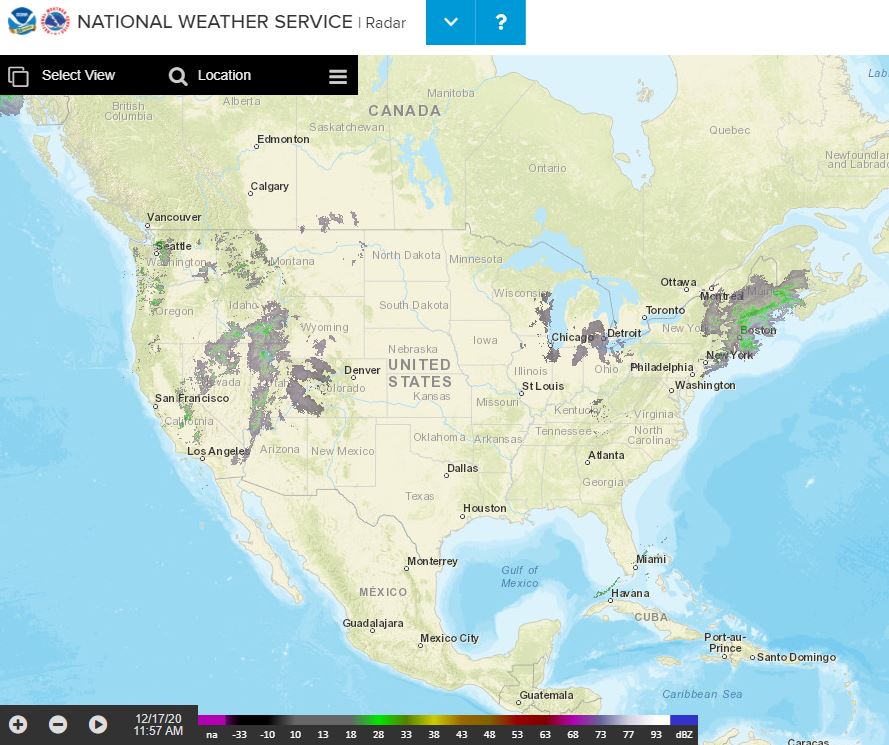
For those seeking the most current information regarding weather alerts or to sign up for local notification systems like NotifyChicago, the official city portal remains the most reliable resource. Regular testing of these systems occurs throughout the year to ensure hardware functionality, and the public is encouraged to review their household emergency plans annually to account for any changes in residence or contact information.
The next scheduled maintenance and testing cycle for Chicago’s emergency alert systems is communicated through the OEMC’s public service announcements. Residents are encouraged to report any issues with local alert reception to their municipal representatives and to share verified safety information with neighbors to ensure community-wide awareness.
Worth a look