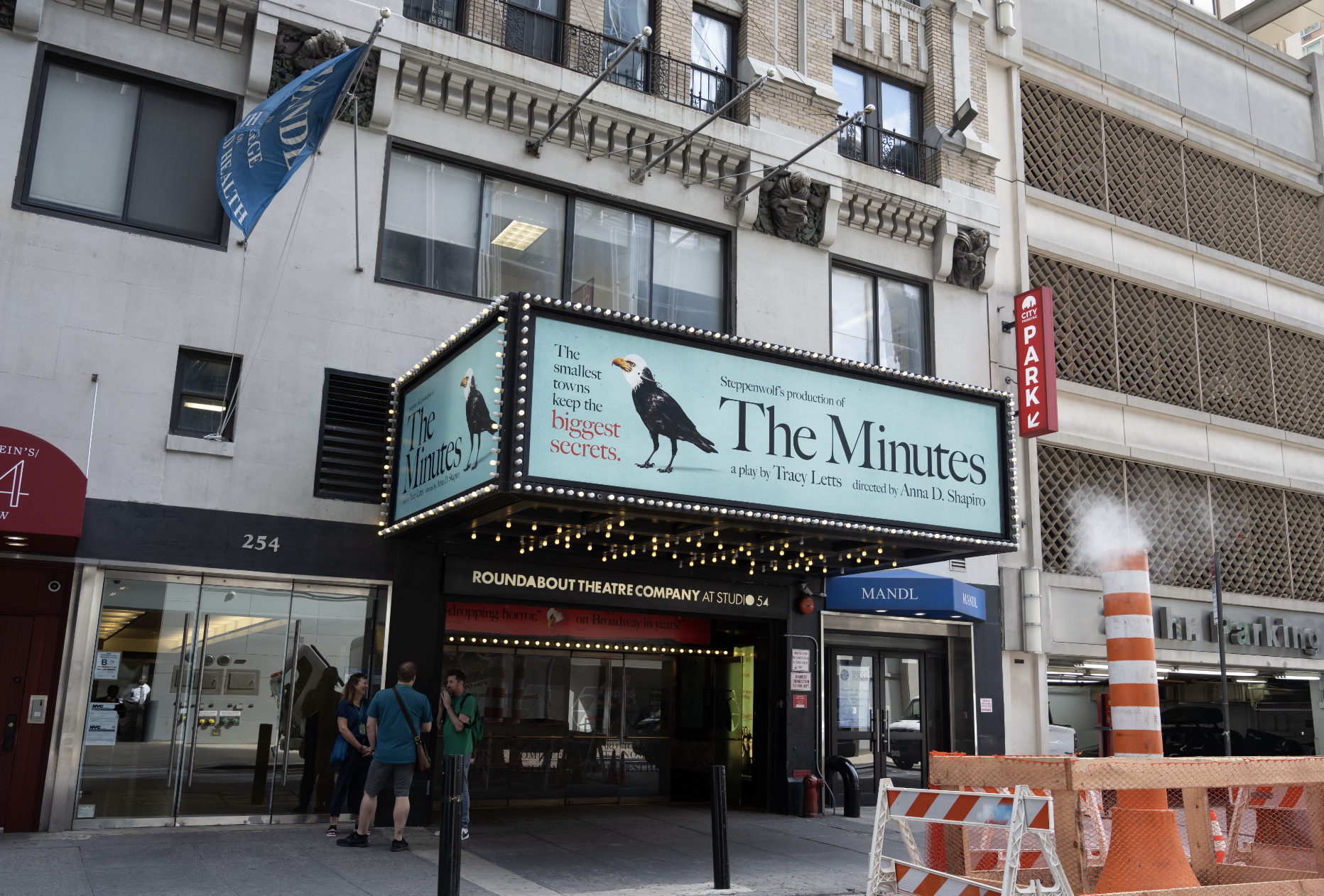
The Future of a Landmark: Can Studio 54 Be Saved as a Broadway Theater?
Studio 54, a name synonymous with both decadent nightlife and celebrated theatrical productions, faces a precarious future. The iconic New York City venue, currently operated by Roundabout Theater Company, may be forced to close within the next few years if critical renovations aren’t undertaken – renovations hampered by complex zoning regulations and a lack of available funding. This isn’t simply a story about a building; it’s a reflection of the challenges facing Broadway as a whole,and a potential loss for the city’s vibrant cultural landscape.
A Century of change: From Opera House to Disco Palace to Broadway Stage
The building at 254 West 54th Street boasts a rich and layered history. Originally constructed in 1927 as the Gallo Opera House, it transitioned into the legendary Studio 54 nightclub in the 1970s, becoming the epicenter of disco culture and a symbol of a generation’s pursuit of pleasure. While the nightclub era cemented its place in cultural lore, for the past several decades, Studio 54 has thrived as a vital Broadway house under the stewardship of Roundabout Theatre Company. Productions like The lion King, Porgy and Bess, and currently, Oedipus starring Mark Strong and Lesley Manville, have graced its stage.
Though, the building’s past lives have left their mark – and not always in a positive way for theatrical performance.
Structural quirks and the Need for modernization
Roundabout Theatre Company has identified meaningful structural issues stemming from the venue’s previous incarnations.These aren’t cosmetic concerns; they directly impact the audience experience and the theater’s financial viability.Key problems include:
* Flattened Auditorium Floor: A remnant of the nightclub layout, the flat floor compromises traditional sightlines, meaning some seats offer obstructed or less-than-ideal views.
* Lack of an Orchestra Pit: The absence of a dedicated orchestra pit limits the types of productions that can be effectively staged, particularly large-scale musicals.
* Inadequate Lighting Control: The current lighting control booth is accessible only by a ladder – a safety hazard and a logistical nightmare for technical crews.
These issues place Studio 54 at a competitive disadvantage compared to othre, more modern Broadway theaters. to remain a leading venue, a extensive renovation is essential.
The Zoning Roadblock: Air Rights and the Future of Funding
The proposed renovations – including a raked seating layout for improved sightlines, the creation of a proper orchestra pit, and upgrades to technical infrastructure – require significant funding. Traditionally, Broadway theaters can generate revenue for renovations by selling unused “air rights” to developers. These air rights represent the potential to build additional square footage on a property.
However, Studio 54 faces a unique and frustrating obstacle. A previous owner already sold the venue’s air rights to facilitate the construction of the adjacent Marc residential tower. Because both buildings share the same zoning lot, the city considers those air rights permanently tired. This effectively cuts off a crucial funding stream for Roundabout.
roundabout’s recent filing with the New York City Department of City Planning argues that this situation is extraordinary and warrants special consideration. They are requesting either the granting of new air rights specifically to Studio 54, or a broadening of the rules governing air-right transfers within the Theater District. The nonprofit also notes that, due to the building’s location, there’s no physical space for expansion, precluding access to other typical funding bonuses.
Why Saving Studio 54 Matters: A Blow to Broadway and Beyond
The potential closure of Studio 54 would be a significant loss for multiple reasons:
* Reduced Broadway Capacity: Losing one of Broadway’s largest houses would further constrict capacity, perhaps driving up ticket prices and limiting access to live theater.
* Economic Impact: Broadway is a major economic engine for New York City, supporting thousands of jobs and generating significant revenue. The loss of a venue like Studio 54 would have ripple effects throughout the industry.
* Cultural Heritage: Studio 54 isn’t just a theater; it’s a landmark with a unique and important place in New York City’s cultural history. Its closure would represent a loss of that heritage.
* Exacerbating Existing Challenges: broadway is still recovering from the devastating impact of the pandemic and grappling with rising production costs. Losing a major venue would add to these existing pressures.
The Decision Lies with City Planners
The fate of Studio 54 now rests with New York City planners and elected officials. They must weigh the needs of Roundabout
Worth a look