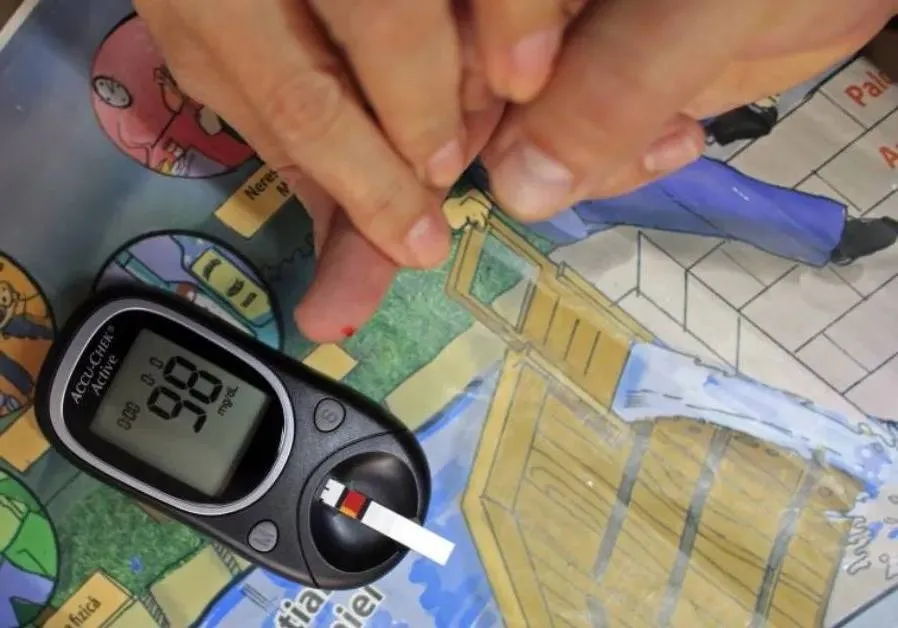
Recent clinical observations and emerging patient reports have prompted a closer examination of whether the use of GLP-1 receptor agonists, a class of medications used for diabetes, may be linked to changes in sensory perception, specifically the senses of smell and taste. While these drugs are recognized for their role in glucose regulation, researchers are investigating whether these pharmacological interventions could affect the olfactory and gustatory systems.
As of late 2024, there is no definitive clinical consensus or large-scale, peer-reviewed epidemiological evidence confirming that GLP-1 receptor agonists cause permanent sensory loss. However, anecdotal reports submitted to pharmacovigilance databases have led regulatory bodies to monitor these potential side effects more closely. Patients experiencing persistent changes in their ability to smell or taste are encouraged to report these symptoms to their healthcare providers to ensure they are documented within official medical records.
Understanding the Mechanism of GLP-1 Receptor Agonists
GLP-1 receptor agonists mimic the glucagon-like peptide-1 hormone, which the body naturally produces in the gut in response to food intake. By binding to GLP-1 receptors, these medications stimulate insulin secretion, inhibit glucagon release, and slow gastric emptying. These physiological changes are effective for managing blood glucose levels, yet the widespread distribution of GLP-1 receptors throughout the human body—including areas of the brain associated with sensory processing—remains a focal point for researchers studying potential off-target effects.
The neurological pathways involved in smell and taste are complex, involving both the central and peripheral nervous systems. Because GLP-1 receptors are found in the brainstem and the hypothalamus, investigators are looking at whether systemic administration of these drugs could theoretically influence how sensory signals are processed or perceived. Currently, these inquiries remain in the early observational stages, and no causal link has been established by major regulatory health agencies.
Current Patient Reporting and Pharmacovigilance
The primary source of the current discussion stems from spontaneous reporting systems, where patients and clinicians log adverse events. Pharmacovigilance databases serve as essential tools for identifying potential side effects that may not have appeared during initial clinical trials. When a pattern of reports emerges, regulatory authorities evaluate the data to determine if a formal investigation or an update to the medication’s safety label is warranted.
It is important to distinguish between confirmed drug-induced side effects and coincidental findings. Many conditions, including viral infections, underlying metabolic disorders, or common neurological issues, can also impact smell and taste. Because individuals managing type 2 diabetes may have multiple co-morbidities, isolating the specific influence of a single medication requires rigorous controlled studies. To date, these medications remain approved for use based on their established efficacy in glycemic control.
Clinical Guidance for Patients
For patients currently prescribed GLP-1 receptor agonists who notice a sudden change in their sensory perception, the medical community recommends a systematic approach. First, consult with a primary care physician or an endocrinologist to rule out other medical causes, such as sinus infections, nutritional deficiencies, or neurological conditions. Second, keep a detailed log of when symptoms began in relation to any changes in medication dosage or frequency.
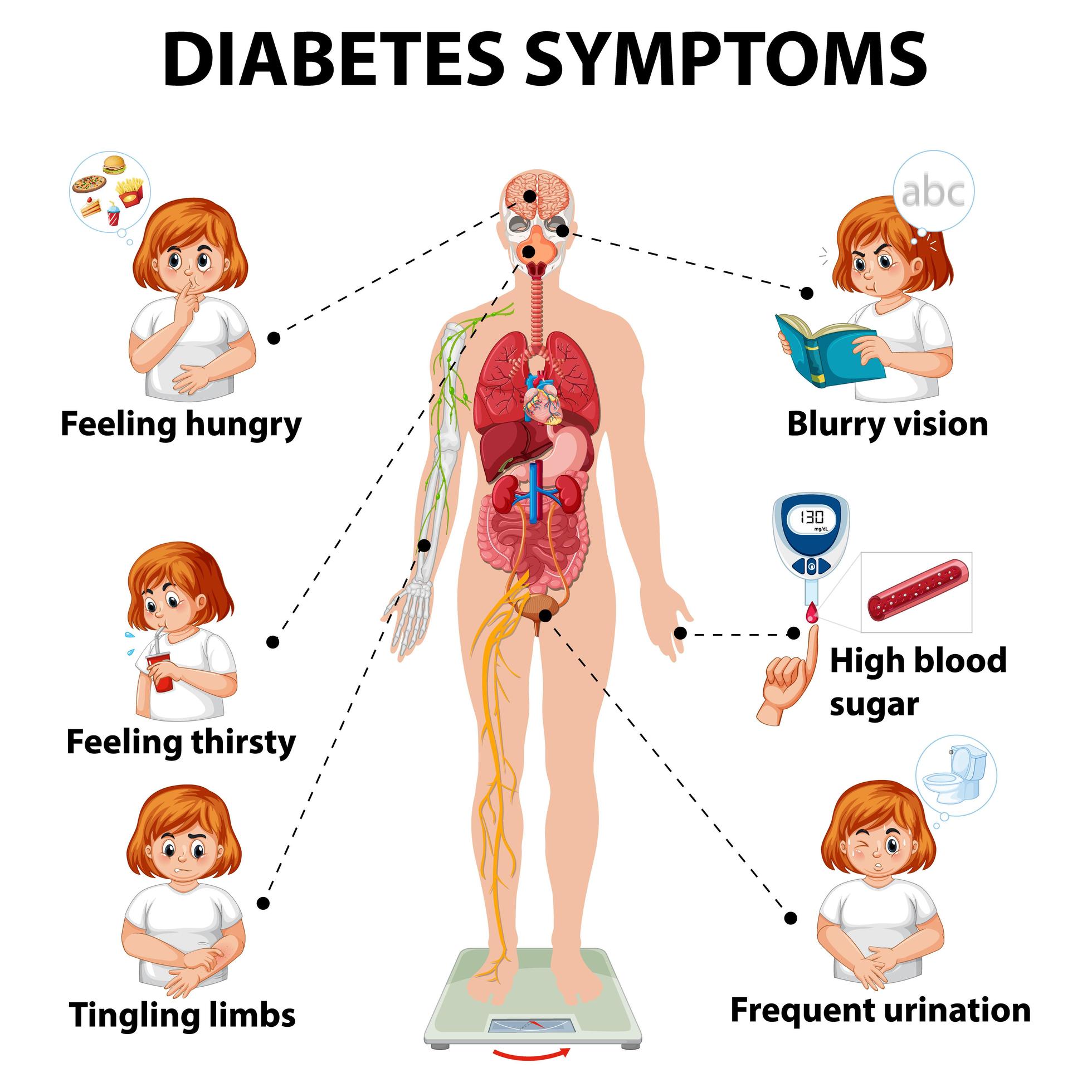
If a patient suspects an adverse drug reaction, they can contribute to ongoing safety research by reporting the event to national health authorities. These reports are vital for maintaining the safety profile of global pharmaceutical supplies.
What Happens Next in Medical Research
The scientific community continues to prioritize the safety monitoring of GLP-1 receptor agonists as their global usage expands. Future research is expected to focus on longitudinal studies that track patient outcomes over several years to identify any subtle, long-term neurological impacts. Researchers are also examining whether these sensory changes, if confirmed, are reversible upon the discontinuation of the medication.

As of this writing, there are no scheduled public hearings or specific regulatory mandates requiring a change in prescribing habits based on these sensory reports. Health organizations are expected to release updated safety summaries as more data becomes available. Patients are advised to continue their prescribed treatment plans unless directed otherwise by their physician, as the known benefits of glycemic control in managing diabetes remain significant.
If you have experienced changes in your senses while using these medications, please consult your physician and share your experience in the comments section below. Staying informed through official channels is the best way to navigate your health journey.
Worth a look