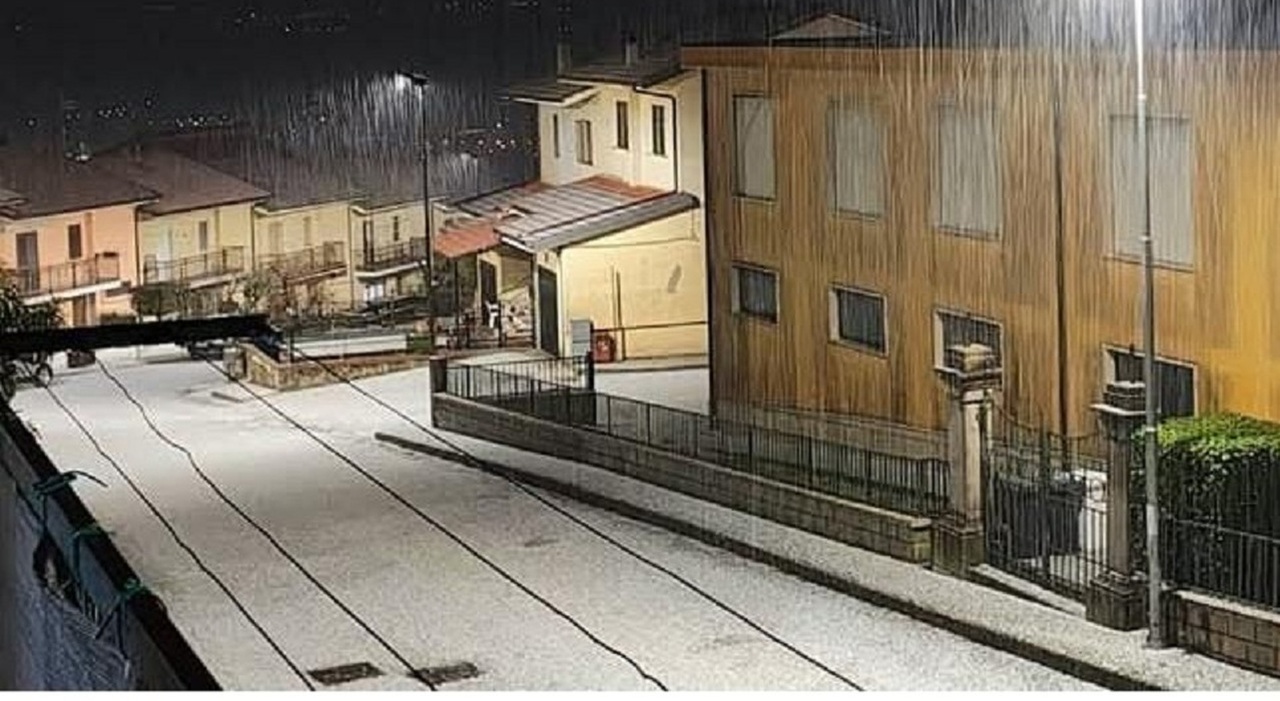
Unusual Hailstorm Blankets Italian Town of Sturno in White
The small town of Sturno, located in the province of Avellino in the Campania region of southern Italy, experienced an exceptionally unusual weather event on Wednesday, March 11, 2026, as a severe hailstorm descended upon the area. Residents described the hail as resembling a downpour of projectiles, covering streets and gardens in a thick, white layer, creating a scene more akin to a winter snowfall than a spring afternoon. The unexpected intensity of the storm caused damage to vehicles and local agriculture, leaving residents surprised and assessing the aftermath. Sturno, situated in the Ufita Valley, has a population of approximately 3,011 people and lies 652 meters above sea level, according to municipal records.
The hailstorm, which struck in the late afternoon, was described by locals as a particularly violent and unprecedented event. One resident reportedly commented that it “seemed like a rain of bullets,” highlighting the force and density of the hail. While spring is approaching, this sudden burst of severe weather served as a stark reminder of winter’s lingering presence and an unwelcome harbinger for the upcoming growing season. The event has prompted discussion about increasingly erratic weather patterns and the potential impacts of climate change on the region.
Impact on Local Agriculture and Property
The intense hail caused significant damage to local orchards and gardens, devastating crops and impacting the livelihoods of farmers in the area. The hailstorm’s impact extended beyond agricultural lands, with numerous vehicles sustaining damage to their bodywork. The Ufita Valley is known for its agricultural production, and this unexpected weather event poses a challenge to the local economy. The extent of the agricultural losses is currently being assessed by local authorities, and support measures for affected farmers are being considered.
Beyond the immediate damage, the unusual nature of the storm has left a lasting impression on the community. The sight of the town blanketed in hail, resembling a winter landscape, was a rare and striking phenomenon. The municipality of Sturno, as noted on its official website, is steeped in history and tradition, and this recent event adds another layer to its unique character. The town’s patron saint is Saint Dominic of Guzman, and several historical landmarks, including the Grella Baronial Palace and the Abbey of San Michele Arcangelo, contribute to its cultural heritage.
Regional Weather Patterns and Recent Events
The hailstorm in Sturno occurred amidst a period of unsettled weather in the Campania region. Recent reports indicate that other areas within the province of Avellino have similarly experienced adverse weather conditions. Specifically, a landslide in Maddalena and Arianu Irpino disrupted traffic on March 9, 2026, highlighting the vulnerability of the region to weather-related incidents. a tree fell in the Parco Abate in Avellino on February 6, 2026, attributed to inclement weather, further illustrating the recent pattern of challenging conditions.
While the precise meteorological factors contributing to the Sturno hailstorm are still being analyzed, experts suggest that a combination of unstable atmospheric conditions and localized temperature variations likely played a role. The region’s topography, situated within a valley, can also influence weather patterns, potentially exacerbating the intensity of such events. The Italian meteorological service is continuing to monitor the situation and provide updates as more information becomes available.
Sturno: A Historical Overview
Sturno, as detailed in information from Sistema Irpinia and Wikipedia, boasts a rich history and a strong connection to its surrounding environment. The town’s name is believed to derive from the Italian word “storno,” meaning starling, referencing the abundance of these birds in the area. Located 37 kilometers from Avellino, Sturno covers an area of 16.67 square kilometers and is bordered by the municipalities of Carife, Castel Baronia, Flumeri, Frigento, and Rocca San Felice.
Throughout its history, Sturno has been shaped by its agricultural traditions and its strategic location within the Ufita Valley. The town features several notable landmarks, including the Grella Baronial Palace, an 18th-century neoclassical residence, and the Abbey of San Michele Arcangelo, which was rebuilt after the devastating 1980 earthquake. The Church of the SS. Domenico and Francesco, dating back to the 18th century, houses a collection of wooden artworks and paintings, while the Vicario Palace and de Juliis Palace offer glimpses into the town’s aristocratic past. The Chapel of Madonna della Neve and the Tetta Fountain add to the area’s scenic beauty, and the Bosco Ceduo woodland provides a natural haven for Mediterranean flora.
The town also offers modern amenities, including the Cittadella dello Sport, a sports complex that hosts football teams during their summer training camps. The local economy is driven by agriculture, tourism, and small businesses, and the community remains deeply rooted in its traditions and cultural heritage.
As Sturno recovers from the recent hailstorm, the community is demonstrating resilience and a commitment to rebuilding. Local authorities are working to assess the full extent of the damage and provide support to those affected. Further updates on the recovery efforts and any potential assistance programs will be released by the municipality in the coming days.
Key Takeaways:
- A severe hailstorm struck Sturno, Italy, on March 11, 2026, causing damage to property, and agriculture.
- The hailstorm was described by residents as unusually intense and reminiscent of a winter snowfall.
- The event highlights the vulnerability of the Campania region to extreme weather events.
- Sturno is a town with a rich history and a strong agricultural tradition, located in the Ufita Valley.
The municipality of Sturno is expected to release a comprehensive damage assessment report by March 18, 2026. Residents are encouraged to report any damages to local authorities. We will continue to monitor the situation and provide updates as they become available. Share your thoughts and experiences in the comments below.
Worth a look