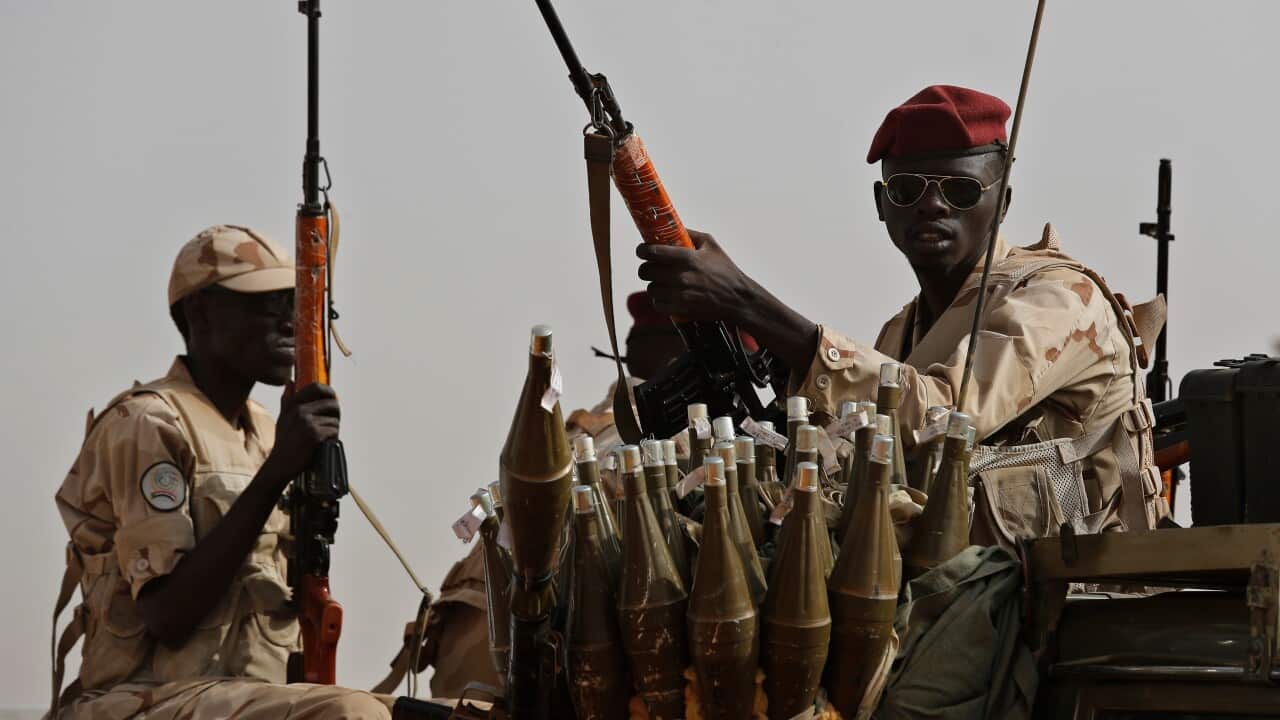
Sudan’s Darfur Region Reels from Mass Civilian Killings: A UN Report Details Brutal RSF Atrocities
The ongoing conflict in Sudan continues to spiral into a humanitarian catastrophe, with a recent United Nations report revealing horrific details of a mass killing of civilians at the Zamzam displacement camp in Darfur this past April.The report paints a grim picture of intentional violence perpetrated by the Rapid Support Forces (RSF), raising serious concerns about war crimes and potential genocide. This article delves into the findings, the context of the crisis, and the international response, offering a comprehensive overview of the situation.
A Deliberate Assault on Vulnerable Populations
The UN Human Rights Office report, released Thursday, details the events surrounding the RSF takeover of the Zamzam camp between April 11th and 13th. The camp, already a desperate haven for nearly half a million people displaced by years of civil war, had been systematically starved of essential supplies for months prior to the attack. The RSF deliberately blocked the entry of food and aid, exacerbating the already dire conditions and effectively weaponizing starvation.
What followed was a brutal assault on the camp’s inhabitants. The report estimates that over 1,000 civilians were killed during the takeover. Disturbingly, at least 319 individuals were subjected to summary execution, a chilling testament to the RSF’s disregard for human life.
Survivor testimony, gathered through interviews with 155 individuals who fled to Chad in July 2025, reveals a pattern of widespread atrocities. These include:
* Mass Killings: Accounts detail targeted killings, including the horrific instance of RSF fighters shooting unarmed civilians through windows as they hid in their homes.
* Sexual Violence: Rape was reported as a widespread and systematic act of violence.
* Torture and Abductions: Survivors described horrific instances of torture and the abduction of countless individuals, whose fates remain unknown.
* Attacks on Healthcare: The RSF deliberately targeted the camp’s last remaining medical clinic, resulting in the deaths of nine aid workers from Relief International. This attack effectively cut off vital medical assistance to a population already on the brink of collapse.
war Crimes and Accusations of Genocide
UN High Commissioner for Human Rights, Volker Türk, stated that “such deliberate killing of civilians or persons hors de combat may constitute the war crime of murder.” The deliberate targeting of civilians, coupled with the preceding starvation tactics, strongly suggests a calculated effort to inflict maximum harm on a vulnerable population.
these findings have fueled growing accusations of genocide leveled against the RSF. The United States and numerous human rights organizations have publicly accused the paramilitary group of engaging in genocidal acts in Darfur. while the RSF has previously denied harming civilians and claims of genocide, stating they will hold their forces accountable for any violations, these denials ring hollow in the face of mounting evidence. As of this writing, the RSF has not responded to requests for comment on the specific findings of the UN report.
A Pattern of Violence: Al-fasher and Beyond
The attack on Zamzam camp was not an isolated incident.The report highlights it as a precursor to the subsequent assault on the city of Al-Fasher in late October. There,the RSF is accused of similar atrocities – summary executions and mass kidnappings. The fate of moast of Al-Fasher’s residents remains unknown, adding to the growing number of unaccounted for individuals.
The violence extends beyond Darfur. The UN Human Rights Office has also reported that drone strikes in Sudan’s Kordofan region this month have killed over 100 civilians, further illustrating the escalating brutality of the conflict.
International Response and the Path Forward
The international community is increasingly alarmed by the situation in Sudan. The United States, the United Kingdom, and Norway have jointly urged Sudan’s leaders to “urgently reverse course,” calling for an immediate cessation of hostilities and a return to a ceasefire.
their joint statement emphasizes the need for:
* An End to Aerial Attacks: The transitional government must halt its aerial bombardment of its own citizens.
* Release of Political Prisoners: The immediate release of all political prisoners is crucial.
* Responsible Public Spending: Public revenue must be directed towards essential services like healthcare and education, rather than fueling the conflict.
However, words alone are insufficient. A more robust and coordinated international response is needed to protect civilians, ensure humanitarian access, and hold perpetrators accountable for their crimes. This