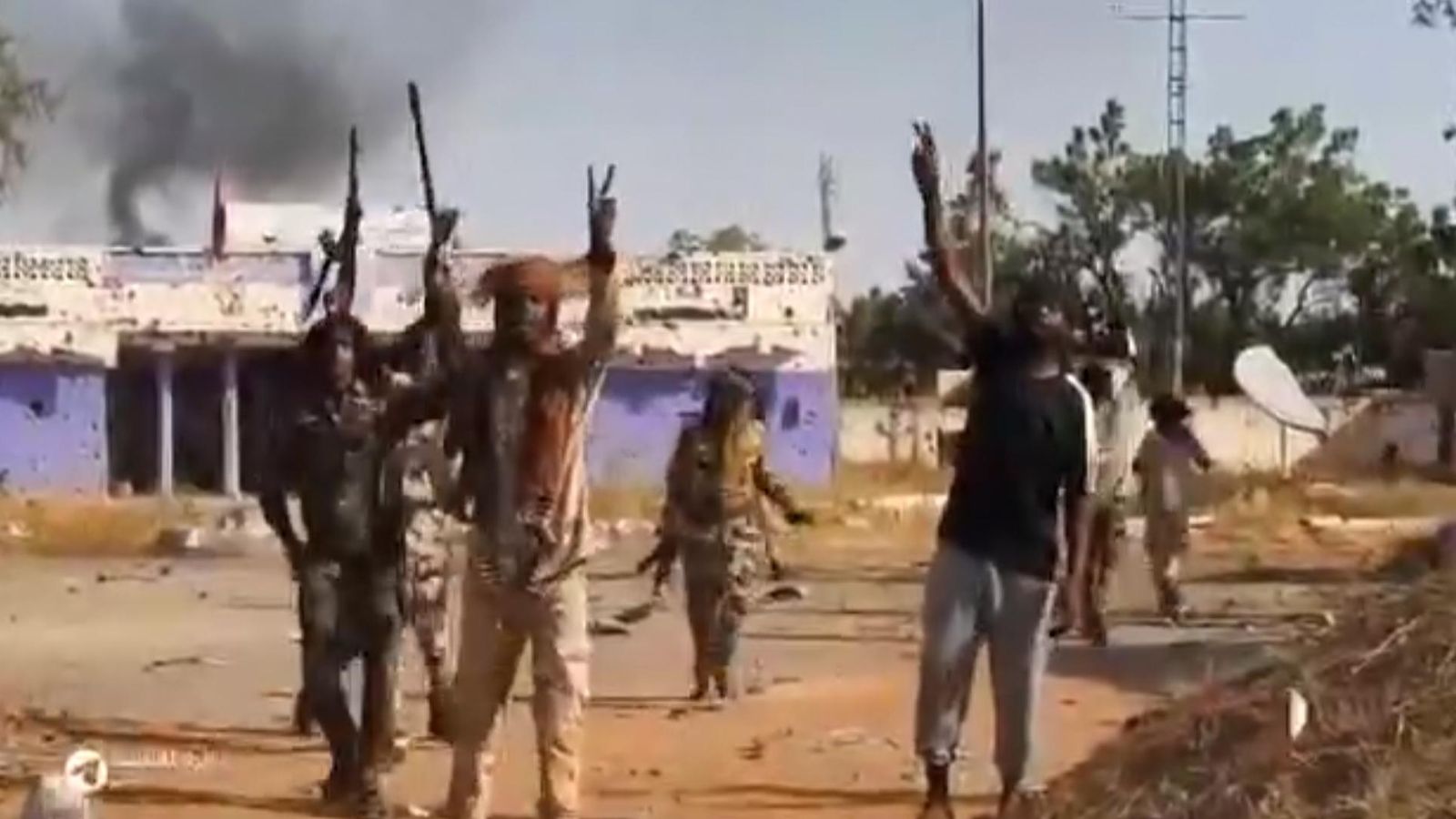
Sudan’s military Retreats and Rising Concerns in Darfur
Recent developments in Sudan paint a grim picture, especially within the Darfur region. The Sudanese army is strategically withdrawing from key cities, raising serious questions about the escalating conflict and the protection of civilians. This isn’t a sudden shift, but rather a continuation of a pattern observed in several Darfur state capitals.
The Situation in Al Fashir
Specifically,the recent withdrawal from Al Fashir is deeply concerning. Leadership within the city steadfast leaving was necessary due to the relentless, systematic destruction and targeting of civilians. I’ve found that these decisions, while difficult, often stem from an inability to guarantee safety under sustained attack.
This retreat follows similar withdrawals from Al Geneina and Nyala, where soldiers previously reported receiving direct orders from military command to pull back. It’s a clear indication of a shifting strategy, but one that leaves vulnerable populations increasingly exposed.
What does This Mean for Civilians?
The implications of these military withdrawals are profound. You’re likely wondering what this means for the people on the ground.Here’s a breakdown of the key concerns:
* Increased Vulnerability: Without the presence of the army, civilians are left more susceptible to attacks from the Rapid Support Forces (RSF) and other armed groups.
* Potential for Escalated Violence: A power vacuum often leads to increased competition and violence between factions.
* Humanitarian Crisis: The ongoing conflict is already creating a severe humanitarian crisis, and these withdrawals will likely exacerbate the situation.
* Risk of Ethnic Targeting: Sadly, there are growing reports of ethnically motivated attacks, particularly in areas where the army has retreated.
Accusations and Concerns in Kutum
The situation in Kutum, which fell to the RSF in June 2023, is particularly troubling. Allegations have surfaced suggesting that army soldiers negotiated deals with the RSF,potentially enabling subsequent attacks against civilians. These accusations, if true, highlight a disturbing pattern of prioritizing self-preservation over civilian protection.
It’s crucial to understand that these withdrawals aren’t happening in a vacuum. They are part of a larger, complex conflict with deep-rooted political and economic factors.
Understanding the Broader Conflict
The conflict in Sudan began in April 2023, pitting the Sudanese army against the RSF. Here’s what you need to know:
* Power Struggle: The conflict is rooted in a power struggle between the army chief and the RSF commander.
* Regional Implications: The fighting has the potential to destabilize the entire region.
* Humanitarian Disaster: The conflict has already displaced millions of people and created a dire humanitarian crisis.
As the situation continues to evolve, it’s vital to stay informed and advocate for the protection of civilians. The future of Darfur, and indeed all of Sudan, hangs in the balance.
For further information,consider exploring these related topics:
* The evolving dynamics of the Sudan conflict.
* The humanitarian impact of the fighting.
* The role of regional and international actors in resolving the crisis.
Keep reading