
Sudanese health authorities have reported a downward trend in malaria and dengue fever infection rates across several provinces, even as the nation faces a concurrent resurgence of cholera in West Kordofan. The shifts in disease prevalence come amid a fractured healthcare infrastructure and significant humanitarian challenges that continue to complicate national epidemiological surveillance.
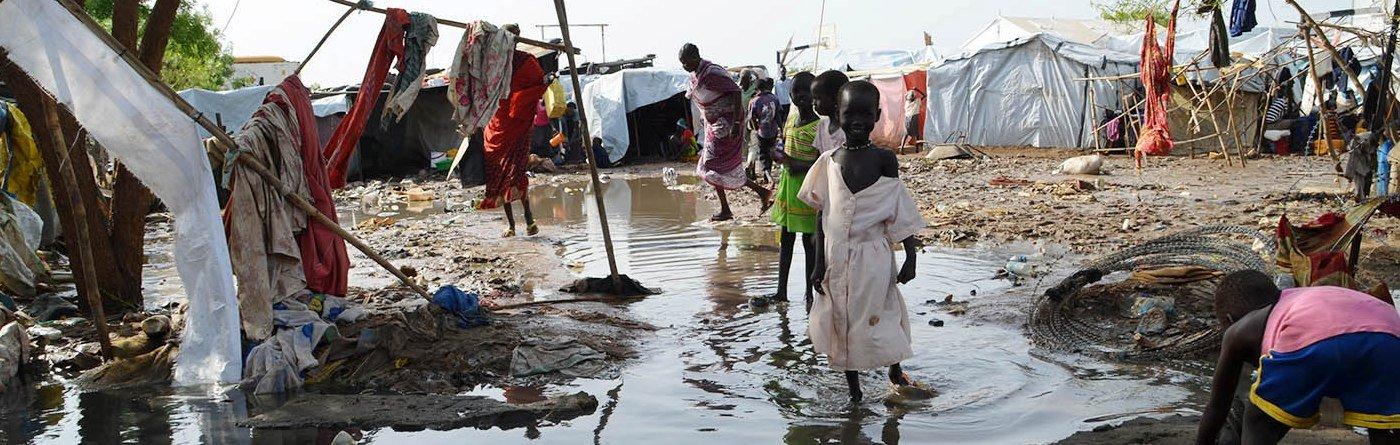
According to updates from the Sudanese Ministry of Health, the reduction in malaria and dengue cases is linked to intensified vector control efforts and seasonal changes that have disrupted mosquito breeding cycles. However, the emergence of cholera—a waterborne bacterial disease—in the western regions of the country poses a new, urgent threat to public health. The World Health Organization (WHO) has noted that the combination of conflict-induced displacement and the destruction of water sanitation infrastructure has significantly increased the risk of waterborne outbreaks across Sudan, as detailed in their latest Sudan health situation reports.
Understanding the Current Disease Burden in Sudan
The epidemiological landscape in Sudan remains highly volatile. While malaria and dengue fever have historically accounted for the highest volume of annual infectious disease cases, the recent decline in these figures offers a partial reprieve for a system operating under extreme stress. Medical professionals on the ground, supported by organizations such as the World Health Organization, emphasize that these figures are based on hospital admissions and clinical reports, which may not capture the full extent of the infection rate in rural areas where access to testing is limited.
Dengue fever, which frequently surges following the rainy season, requires consistent monitoring of Aedes aegypti mosquito populations. The reported decrease suggests that public health interventions, including the distribution of insecticide-treated nets and community-led drainage projects, may be yielding results in urban centers. Nevertheless, health experts caution that the risk remains high as long as environmental and sanitation factors remain unaddressed.
Cholera Resurgence in West Kordofan
The notification of cholera cases in West Kordofan marks a concerning shift in the regional health crisis. Cholera is transmitted through contaminated water or food, and its presence in areas with compromised sanitation systems often leads to rapid transmission. The United Nations Children’s Fund (UNICEF) has highlighted that the collapse of water treatment facilities is a primary driver behind the recent spike in diarrheal diseases in the region.

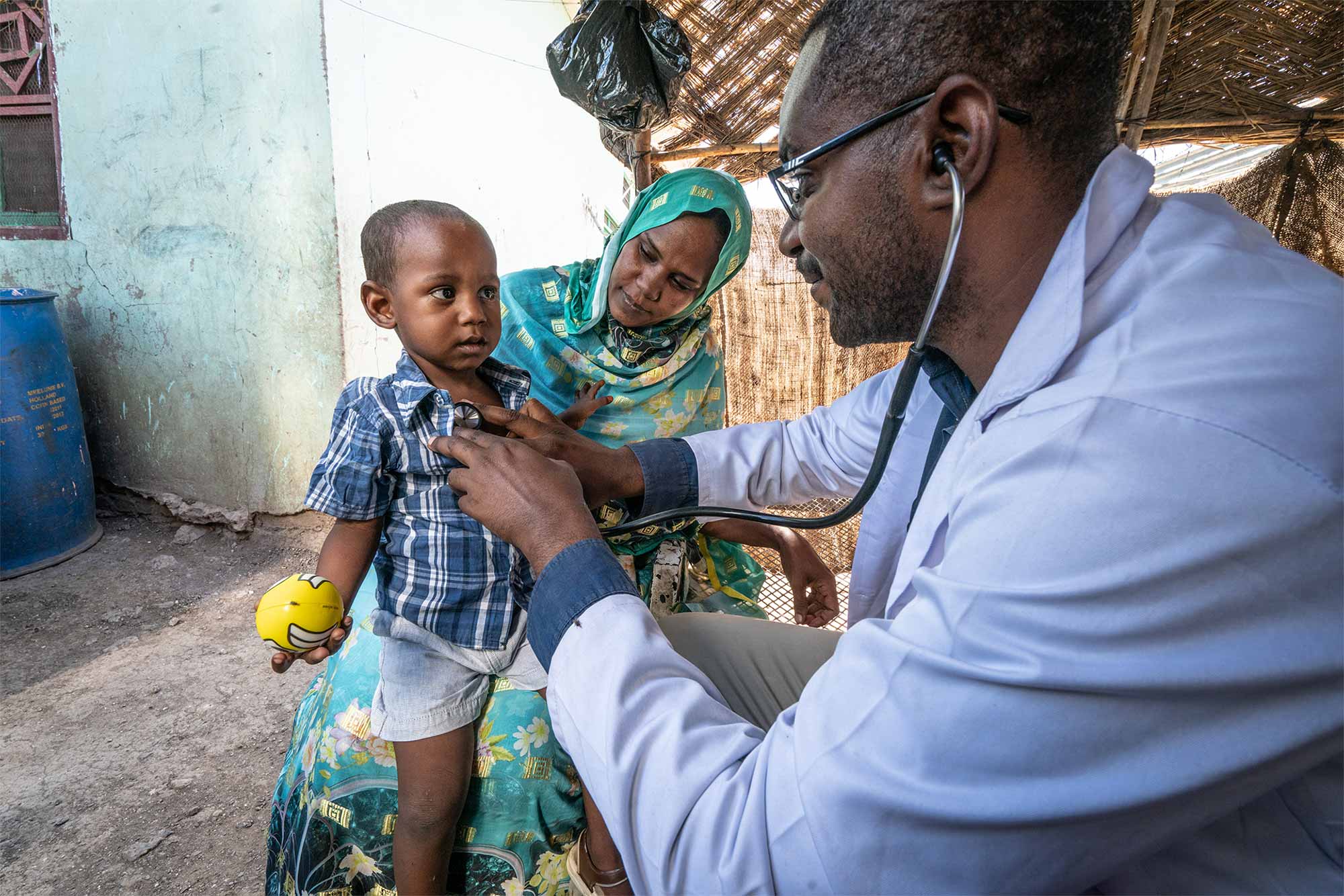
Local health officials are currently working to contain the spread by establishing oral rehydration centers and improving access to safe drinking water. Because cholera can be fatal within hours if left untreated, the prompt reporting of cases is essential for survival. Patients showing symptoms of severe dehydration are being advised to seek immediate medical attention at the nearest functioning health center, though distance and security conditions remain significant barriers to care.
The Challenges of Healthcare Delivery
Providing an accurate assessment of health trends is inherently difficult in the current environment. The Sudanese health sector is currently grappling with a severe shortage of essential medicines and a dwindling workforce, as many medical professionals have been displaced. According to Médecins Sans Frontières (MSF), the inability to maintain a consistent supply chain for diagnostic kits means that many cases of malaria, dengue, and cholera are likely underreported or misdiagnosed at the community level.
The divergence in disease trends—decreasing cases of vector-borne illnesses alongside the emergence of waterborne cholera—highlights the multifaceted nature of the crisis. While vector control can mitigate malaria and dengue, the prevention of cholera requires long-term investment in water, sanitation, and hygiene (WASH) infrastructure, which is currently difficult to implement in conflict-affected zones.
Next Steps for Public Health Surveillance
The Sudanese Ministry of Health is expected to release updated epidemiological bulletins in the coming weeks to better define the geographical spread of the cholera outbreak. International health partners are currently coordinating to mobilize additional vaccine supplies and water purification tablets to the affected provinces in West Kordofan. Updates regarding the availability of mobile clinics and vaccination drives will be broadcast through local health channels as logistics allow.
Readers are encouraged to monitor official communications from the WHO Sudan country office for guidance on preventative measures and the locations of active treatment centers. For those interested in the ongoing efforts to stabilize the regional health situation, further information is available through humanitarian monitoring platforms. Please share this information to help ensure that accurate health guidance reaches those in need.
Worth a look