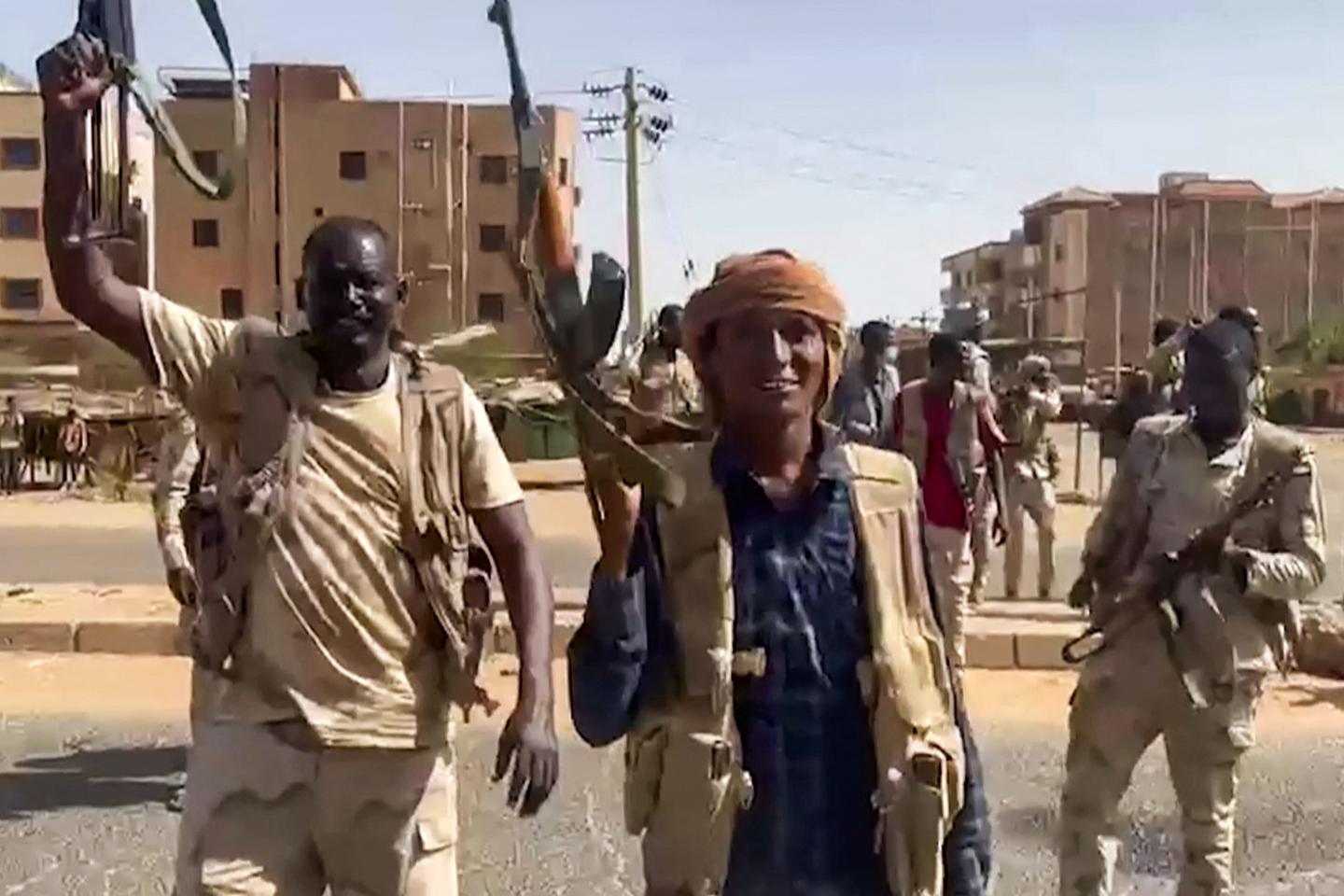
Al-Tina, Sudan – Fighting continues to escalate in Sudan as the paramilitary Rapid Support Forces (RSF) claim control of the strategically important town of Al-Tina, located on the border with Chad. The capture, announced on Saturday, February 21st, represents a significant advance for the RSF in the Darfur region, further solidifying their control over the vast western territory. This latest development underscores the deepening crisis in Sudan, now entering its tenth month of brutal conflict, and raises concerns about regional stability.
The conflict, which erupted in April 2023 between the Sudanese army and the RSF, has plunged the country into a humanitarian catastrophe. The RSF, led by General Mohammed Hamdan Daglo, known as “Hemetti,” have been steadily gaining ground, particularly in the Darfur region. Their recent gains include the capture of two neighboring towns in December 2025 prior to seizing Al-Tina. The town had previously been held by forces aligned with the Sudanese army, marking a substantial loss for the military in the region. The RSF’s assertion of “total control” over Al-Tina was accompanied by a video released on their Telegram channel, depicting fighters celebrating their victory under a banner bearing the town’s name.
Escalating Conflict in Darfur
The RSF now control the vast majority of the Darfur region, a development solidified by the capture of El-Fasher in late October 2025, the last major army stronghold in the area. This conquest, however, has been marred by widespread reports of atrocities, including massacres, sexual violence, and kidnappings. The United Nations Independent Fact-Finding Mission on Sudan reported on Thursday, February 20th, that it had found evidence of “acts of genocide” committed during the conflict, a grave accusation that demands international attention. The mission’s findings highlight the escalating brutality and the urgent necessitate for accountability.
The governor of Darfur, Minni Minnawi, who supports the army, condemned the RSF’s actions as a “repeated criminal behavior that embodies the worst forms of abuses against innocents.” This statement reflects the growing outrage over the violence perpetrated against civilians in the region. The RSF’s advance towards the Chadian border as well raises concerns about potential spillover effects and the destabilization of neighboring countries. In late December 2025, the RSF launched several attacks near the Chad border, resulting in the deaths of two Chadian soldiers, demonstrating the potential for cross-border conflict.
A History of Violence in Darfur
The Darfur region has a long history of conflict, dating back to the early 2000s. The current fighting is rooted in a complex web of political, economic, and ethnic tensions. The RSF, originally known as the Janjaweed militia, played a key role in the Darfur conflict of the early 2000s, accused of widespread atrocities against civilians. The current conflict has reignited these old wounds and threatens to exacerbate the humanitarian crisis in the region. The International Criminal Court (ICC) has issued arrest warrants for several individuals, including former Sudanese President Omar al-Bashir, for alleged war crimes and crimes against humanity committed in Darfur. The ICC continues to investigate alleged crimes committed in Darfur.
Humanitarian Crisis Deepens
The ongoing conflict has triggered a massive humanitarian crisis in Sudan. According to the United Nations, over 14 million people have been forcibly displaced from their homes, making it the largest displacement crisis in the world. Tens of thousands of people have been killed, although the exact number remains difficult to verify due to the ongoing fighting and limited access to affected areas. The UN has described the situation as the “worst humanitarian crisis in the world,” warning of widespread famine and disease. The lack of access for humanitarian organizations is hindering efforts to provide aid to those in need.
The fighting has disrupted essential services, including healthcare, education, and water supply. Hospitals have been attacked and looted, and many healthcare workers have fled the country. Schools have been closed, leaving millions of children without access to education. The disruption of water supplies has increased the risk of waterborne diseases. The situation is particularly dire for women and children, who are disproportionately affected by the violence and displacement. The World Food Programme (WFP) is struggling to provide food assistance to those in need, facing logistical challenges and security concerns. The WFP provides updates on the humanitarian situation in Sudan.
International Response and Concerns
The international community has condemned the violence in Sudan and called for a ceasefire. However, efforts to mediate a peaceful resolution have so far failed. The African Union, the Intergovernmental Authority on Development (IGAD), and the United Nations have all been involved in mediation efforts. The United States and other Western countries have imposed sanctions on individuals and entities linked to the conflict. However, these sanctions have had limited impact on the fighting. Notice growing concerns that the conflict could escalate into a protracted civil war, with devastating consequences for the country and the region.
The capture of Al-Tina by the RSF represents a significant setback for the Sudanese army and a further escalation of the conflict. The RSF’s continued advances raise concerns about their ultimate goals and their willingness to negotiate a peaceful resolution. The international community must increase its efforts to mediate a ceasefire and provide humanitarian assistance to those in need. The situation in Sudan demands urgent attention and a concerted effort to prevent further bloodshed and suffering. The UN Security Council is scheduled to meet on February 28th to discuss the latest developments in Sudan and consider further action.
The ongoing conflict in Sudan is not merely a domestic issue; it has far-reaching implications for regional stability and international security. The potential for the conflict to spill over into neighboring countries, particularly Chad, is a major concern. The influx of refugees from Sudan is already straining the resources of neighboring countries. The proliferation of weapons and the involvement of foreign actors could further exacerbate the conflict and destabilize the region. Addressing the root causes of the conflict, including political and economic grievances, is essential for achieving a lasting peace.
As the RSF consolidates its control over Darfur, the humanitarian situation continues to deteriorate. The need for safe and unimpeded access for humanitarian organizations is paramount. The international community must provide increased funding for humanitarian assistance and work to ensure that aid reaches those who need it most. Protecting civilians and holding perpetrators of atrocities accountable are also critical priorities. The future of Sudan hangs in the balance, and the world must act decisively to prevent a further descent into chaos.
Looking ahead, the UN Security Council meeting on February 28th will be a crucial moment for international engagement. The outcome of that meeting could determine whether the international community is willing to grab more decisive action to address the crisis in Sudan. Continued monitoring of the situation and a commitment to providing humanitarian assistance will be essential in the coming weeks and months. The people of Sudan deserve peace, security, and a future free from violence and suffering.
What are your thoughts on the escalating conflict in Sudan? Share your comments below and help spread awareness about this critical situation.
Worth a look