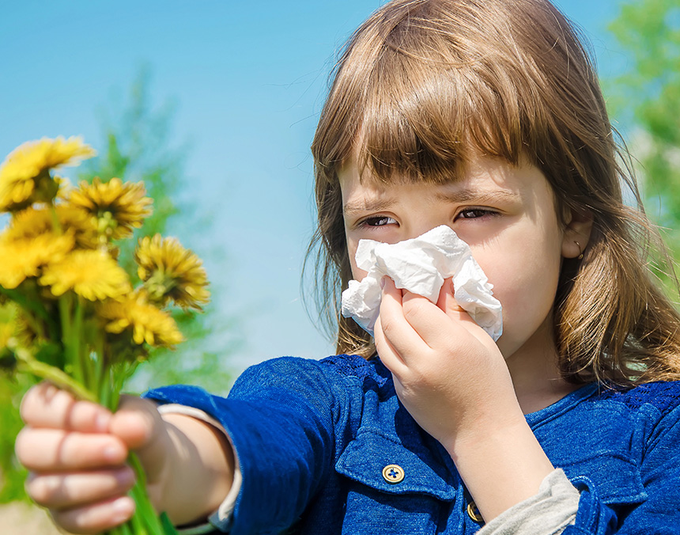
As winter weather systems bring a cooling trend to Hermosillo, residents are being cautioned that the shift in climate may lead to an increase in respiratory allergies among the population. While a drop in temperature often provides relief from the desert heat, the abrupt nature of these transitions can trigger significant physiological responses in the upper respiratory tract.
For many, these sudden environmental shifts manifest as rhinitis, a condition characterized by inflammation of the nasal mucous membranes. Whether the reaction is a classic allergic response or a non-allergic vasomotor reaction, the result is often a frustrating array of sneezing, congestion, and irritation that can impact daily quality of life.
Understanding the link between temperature fluctuations and respiratory health is essential for those living in regions prone to volatile weather. By identifying the specific triggers—ranging from humidity drops to the presence of airborne particulates—individuals can better manage their symptoms and protect their respiratory systems during these seasonal transitions.
The Science Behind Temperature-Induced Rhinitis
The relationship between abrupt temperature changes and respiratory distress is rooted in how the body maintains homeostasis. When temperatures drop rapidly, the immune system and the body’s internal thermoregulation mechanisms are put to the test. To maintain core heat, the body must expend significant energy, which can leave the organism more susceptible to respiratory crises according to medical data on temperature triggers.

the role of humidity is critical. When humidity levels plummet during a cold front, the nasal passages can become excessively dry. This dryness leads to irritation of the mucous membranes, which mimics or exacerbates the symptoms of an allergic reaction. This phenomenon is not limited to the outdoors. the use of air conditioning or heating systems to counteract external temperatures can further dry out the respiratory tract, predisposed individuals to attacks of rhinitis.
It is similarly crucial to distinguish between different types of nasal inflammation. While some experience allergic rhinitis—a reaction to a specific allergen—others may suffer from vasomotor rhinitis, which is a non-allergic reaction to environmental stimuli such as temperature changes, strong odors, or humidity shifts.
Common Triggers and Environmental Factors
While the temperature shift itself is a primary trigger, other environmental factors often coincide with these weather patterns to worsen respiratory symptoms. Allergic rhinitis is typically triggered by the inhalation of allergens such as dust, pet dander, or pollen as detailed by MedlinePlus.
The behavior of pollen is closely tied to weather conditions. On days that are hot, dry, and windy, there is typically a higher concentration of pollen in the air, increasing the risk for those with “hay fever” or seasonal allergies. Conversely, cold, humid, and rainy days tend to wash pollen out of the air and bring it to the ground, which may provide temporary relief for some while introducing other triggers, such as mold, for others.
Common allergens that contribute to these respiratory challenges include:
- Tree, grass, and ragweed pollen: The primary drivers of seasonal allergic rhinitis.
- Dust mites and pet dander: Common indoor allergens that may become more prevalent as people spend more time inside during cold weather.
- Mold: Often thriving in very humid environments, which can also favor allergic episodes.
Who is Most at Risk?
Genetic predisposition plays a significant role in who is affected by these respiratory shifts. Allergic rhinitis and hay fever are often hereditary. If both parents suffer from these conditions, the likelihood of a child developing them is high, with a particularly strong correlation if the mother has a history of allergies according to medical records.
Managing Respiratory Health During Weather Shifts
To mitigate the impact of abrupt temperature changes, health experts suggest focusing on maintaining the integrity of the nasal mucosa and reducing exposure to known triggers. Because dry air—whether from a cold front or an indoor heater—can irritate the respiratory tract, maintaining adequate humidity levels can be beneficial.
Individuals experiencing persistent symptoms are encouraged to consult a specialist to determine whether their condition is allergic rhinitis or vasomotor rhinitis, as the treatments for these two conditions differ. For those with seasonal allergies, identifying the specific plants or particulates causing the reaction is the first step toward effective management as noted by Mayo Clinic.
Key Takeaways for Respiratory Protection
- Monitor Humidity: Be mindful of very dry air, which can irritate nasal passages and trigger rhinitis symptoms.
- Recognize Triggers: Understand if your symptoms are linked to specific allergens (pollen, dust) or environmental changes (temperature drops).
- Consult Professionals: Seek medical advice if respiratory symptoms persist despite basic environmental adjustments.
- Manage Indoor Air: Be cautious with air conditioning and heating systems that may strip moisture from the air.
As the current winter systems continue to influence the climate in Hermosillo, residents should remain vigilant regarding their respiratory health. Monitoring local weather alerts and maintaining a proactive approach to allergen management can assist reduce the severity of these seasonal attacks.
For those seeking further guidance, official health advisories and specialist consultations remain the most reliable path to personalized treatment. We encourage readers to share their experiences with seasonal transitions in the comments below.