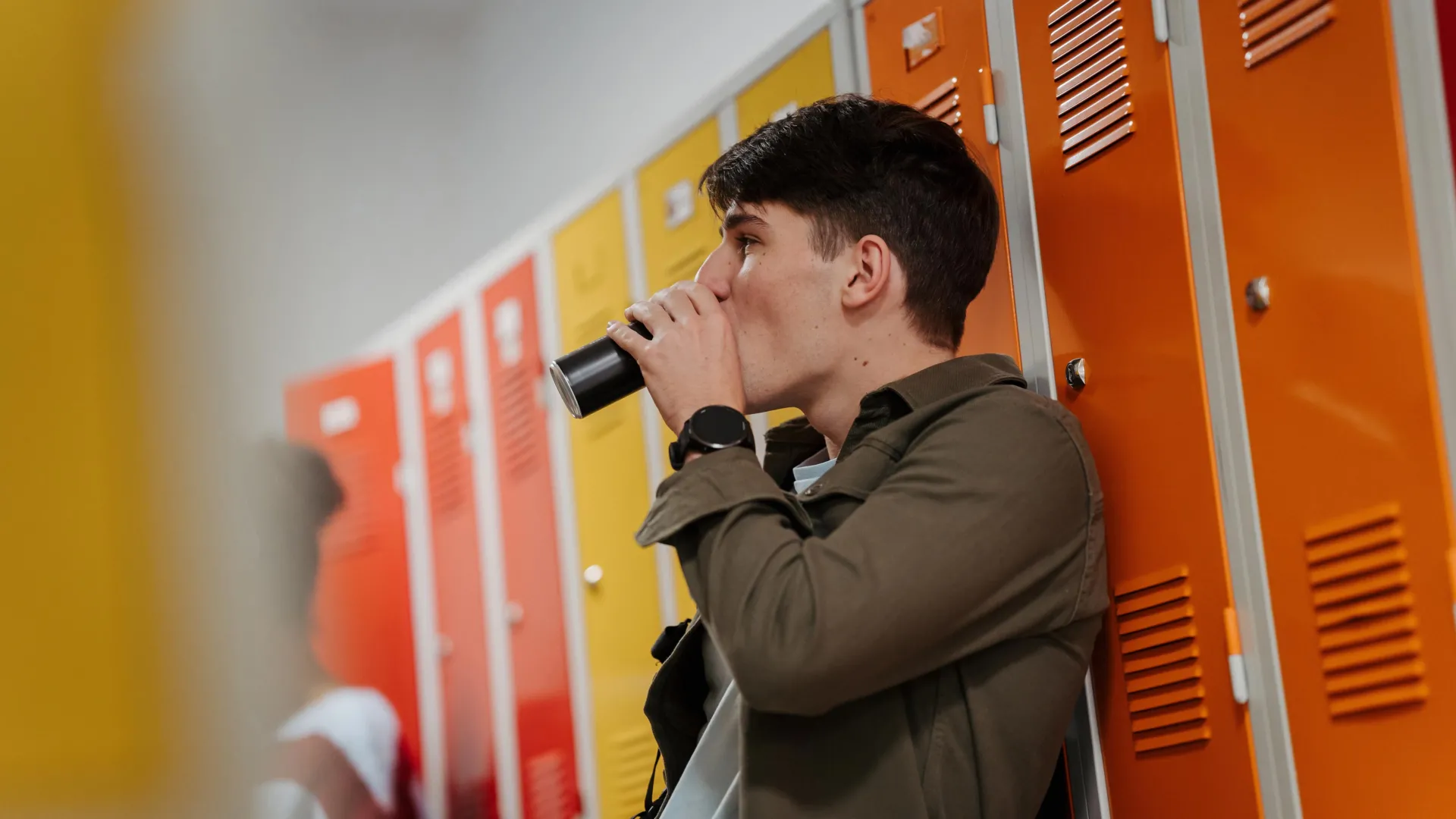
Berlin – A growing body of research suggests a concerning link between the consumption of sugary drinks and increased anxiety levels in teenagers. While the relationship is complex and doesn’t establish a direct cause-and-effect scenario, a recent review of multiple studies highlights a consistent association between high intake of beverages like sodas, energy drinks, and sweetened juices and a greater prevalence of anxiety symptoms among adolescents. This finding arrives at a time when adolescent mental health is already a significant public health concern, with anxiety disorders on the rise globally.
The mental wellbeing of young people has become an increasingly urgent focus for health professionals and policymakers. Traditional public health campaigns have largely centered on the physical health consequences of poor diet, such as obesity and type 2 diabetes. Yet, experts are now emphasizing the need to broaden the scope of these initiatives to include the often-overlooked impact of nutrition on mental health, particularly concerning highly processed, sugar-laden beverages.
The recent analysis, published in the Journal of Human Nutrition and Dietetics, examined data from several earlier studies investigating the connection between dietary habits and mental health outcomes. Researchers meticulously analyzed the combined data, searching for recurring patterns across diverse groups of young people. The review underscores the importance of considering the mental health implications of dietary choices, especially given the widespread consumption of energy-dense, nutrient-poor drinks among adolescents.
The Rising Tide of Adolescent Anxiety
Anxiety disorders represent one of the most common mental health challenges facing young people today. According to estimates from 2023, approximately one in five children and adolescents globally are living with a mental health disorder, with anxiety being among the most frequently reported conditions. ScienceDaily reports that this trend has prompted researchers to investigate potential contributing factors, including dietary influences.
Dr. Chloe Casey, Lecturer in Nutrition at Bournemouth University and a co-author of the study, explains that public health initiatives have historically prioritized the physical consequences of poor dietary habits. “With increasing concern about adolescent nutrition, most public health initiatives have emphasized the physical consequences of poor dietary habits, such as obesity and type-2 diabetes,” she stated. “However, the mental health implications of diet have been underexplored by comparison, particularly for drinks that are energy dense but low in nutrients.”
What the Studies Reveal: Sugary Drinks and Anxiety Symptoms
The studies included in the review utilized survey data to assess both sugary drink consumption and the presence of mental health symptoms in adolescents. A wide range of beverages were considered high in sugar, including fizzy sodas, energy drinks, sweetened juices, squashes, sweetened tea and coffee, and flavored milks. Across the research analyzed, a consistent pattern emerged: higher consumption of sugary beverages was associated with increased reports of anxiety symptoms.
Researchers emphasize that the findings do not definitively prove that sugary drinks cause anxiety. The nature of the studies—primarily observational—prevents establishing a direct causal link. It’s equally plausible that adolescents already experiencing anxiety may turn to sugary drinks as a coping mechanism, or that other underlying factors, such as family dynamics or sleep disturbances, contribute to both increased sugar intake and anxiety symptoms.
“Whilst we may not be able to confirm at this stage what the direct cause is, this study has identified an unhealthy connection between consumption of sugary drinks and anxiety disorders in young people,” Dr. Casey clarified. “Anxiety disorders in adolescence have risen sharply in recent years so it is important to identify lifestyle habits which can be changed to reduce the risk of this trend continuing.”
The Complexity of Correlation vs. Causation
Understanding the difference between correlation and causation is crucial when interpreting these findings. Correlation simply means that two variables tend to occur together, while causation implies that one variable directly influences the other. The current research demonstrates a correlation between sugary drink consumption and anxiety, but further investigation is needed to determine if one directly causes the other.
It’s possible that individuals predisposed to anxiety may be more likely to seek out the temporary mood boost provided by sugary drinks. Alternatively, factors like stress, lack of sleep, or social pressures could contribute to both increased sugar intake and heightened anxiety levels. Disentangling these complex relationships requires more rigorous research, including longitudinal studies that track individuals over time.
Beyond Sugary Drinks: A Holistic Approach to Adolescent Mental Health
While the link between sugary drinks and anxiety is a significant finding, experts stress the importance of adopting a holistic approach to adolescent mental health. Factors such as genetics, family environment, social support, and access to mental health services all play a crucial role in a young person’s wellbeing.
Promoting healthy dietary habits, including reducing the consumption of sugary drinks, is undoubtedly an important step. However, it should be part of a broader strategy that addresses the multifaceted nature of adolescent mental health. This includes encouraging regular physical activity, promoting adequate sleep, fostering strong social connections, and ensuring access to affordable and effective mental health care.
The study was led by Dr. Karim Khaled, a former PhD student at Bournemouth University who now works at Lebanese American University in Beirut. The research team’s findings contribute to a growing body of evidence highlighting the importance of considering the mental health implications of dietary choices, particularly among vulnerable populations like adolescents.
Key Takeaways
- A review of studies indicates a consistent association between high sugary drink consumption and increased anxiety symptoms in teenagers.
- The research does not prove that sugary drinks directly cause anxiety, but highlights a concerning correlation.
- Experts emphasize the need for a holistic approach to adolescent mental health, addressing factors beyond diet.
- Reducing sugary drink intake can be a positive step towards promoting overall wellbeing, but should be part of a broader strategy.
Looking ahead, further research is needed to fully understand the complex interplay between diet, mental health, and adolescent development. Continued investigation will aid inform public health initiatives and guide the development of effective interventions to support the mental wellbeing of young people. The Journal of Human Nutrition and Dietetics will continue to publish research in this area, providing valuable insights for healthcare professionals and policymakers. ScienceDaily provides further details on the study’s methodology and findings.
What steps can parents and educators take to support adolescent mental health and promote healthy dietary habits? Share your thoughts and experiences in the comments below. And please, share this article with your network to raise awareness about this important issue.
Related reading