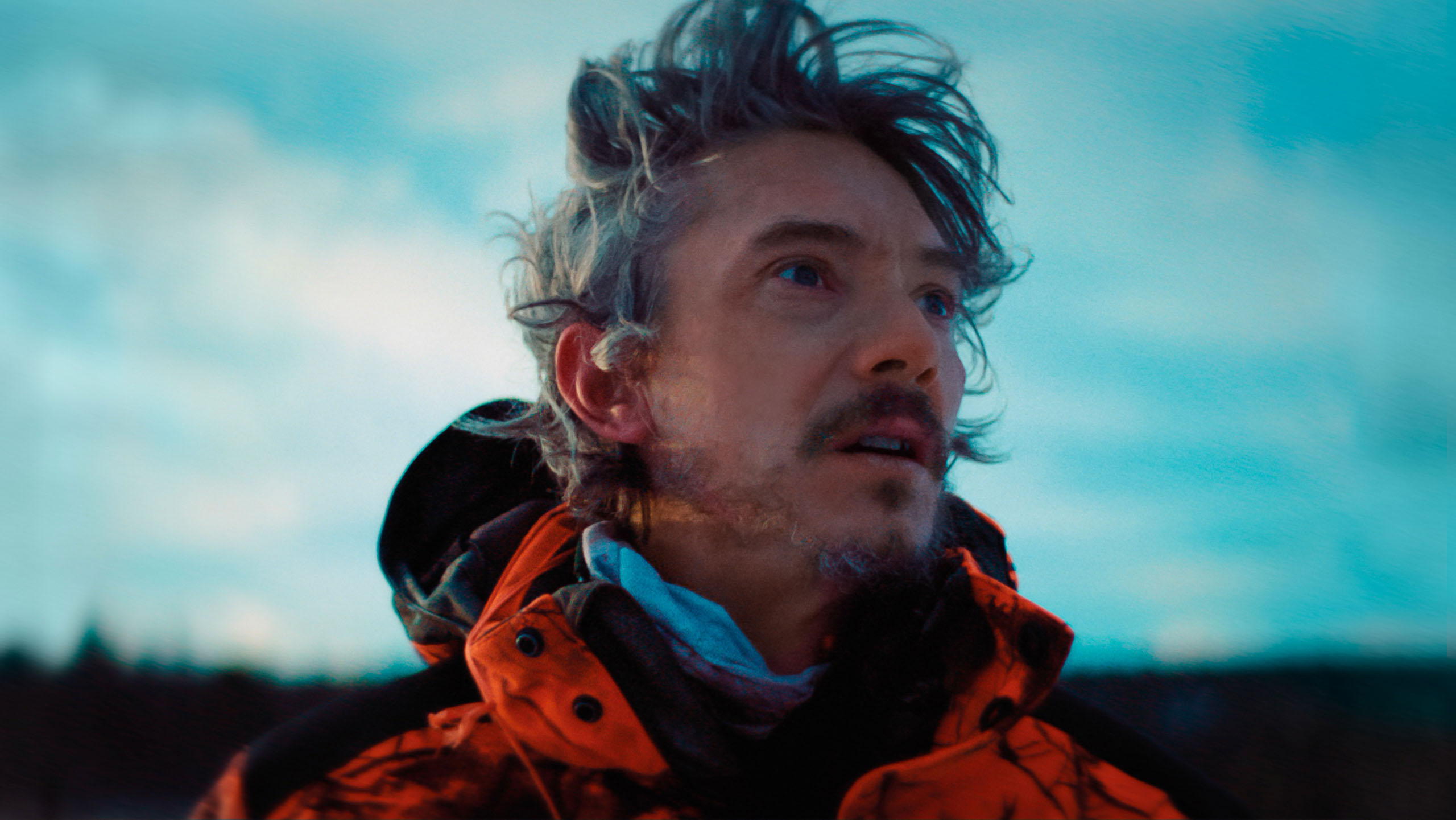
Vladimir de Fontenay’s adaptation of David Vann’s “Sukkwan Island” is more than a film—it’s a raw exploration of fractured family bonds, guilt, and the search for redemption in the face of tragedy. Premiering in the World Cinema Dramatic Competition at the 2025 Sundance Film Festival, the film follows an estranged father and his 13-year-old son as they attempt to reconnect on a remote island, only to find themselves unprepared for the emotional and environmental challenges ahead. Behind the camera is de Fontenay, a filmmaker whose meticulous approach to storytelling and his willingness to embrace chaos have shaped this powerful cinematic experience.
De Fontenay’s journey from photography to filmmaking—rooted in empathy and a deep curiosity about human vulnerability—has culminated in a work that feels both timeless and urgently relevant. With a cast led by Swann Arlaud and Woody Norman, and a production that confronted the unforgiving Norwegian wilderness, “Sukkwan Island” is a testament to the director’s ability to transform personal struggles into universal art. But what drives de Fontenay’s creative process? How did he navigate the complexities of casting and filming in such extreme conditions? And what does he hope audiences take away from this haunting exploration of family and trauma?
For de Fontenay, filmmaking is not just about telling stories—it’s about asking questions. “If I had a clear answer to that, I might not make films,” he reflects. “But maybe that’s the point: Filmmaking is a way of asking questions, not answering them.” This philosophy permeates “Sukkwan Island,” a film that lingers in the mind long after the credits roll, inviting viewers to grapple with their own emotions and relationships.
Why ‘Sukkwan Island’ Stands Out: A Story of Family, Guilt, and Nature’s Unyielding Force
“Sukkwan Island” is an adaptation of David Vann’s short story from his novel Legend of a Suicide, a work that delves into the depths of human tragedy and the complex dynamics of father-son relationships. De Fontenay was drawn to the story’s emotional labyrinth, particularly its exploration of how deeply tragedy can shape individuals—and how art can confront and even begin to heal those wounds.
The film’s premise is deceptively simple: an estranged father and his 13-year-old son attempt to reconnect by spending time together on a remote island. However, the father’s guilt over his failed marriage and his shortcomings as a role model weigh heavily on him, while the harsh natural surroundings exacerbate their emotional turmoil. De Fontenay chose to shift the story’s original Alaskan setting to the fjords of Norway, a decision that added an extra layer of challenge to the production.
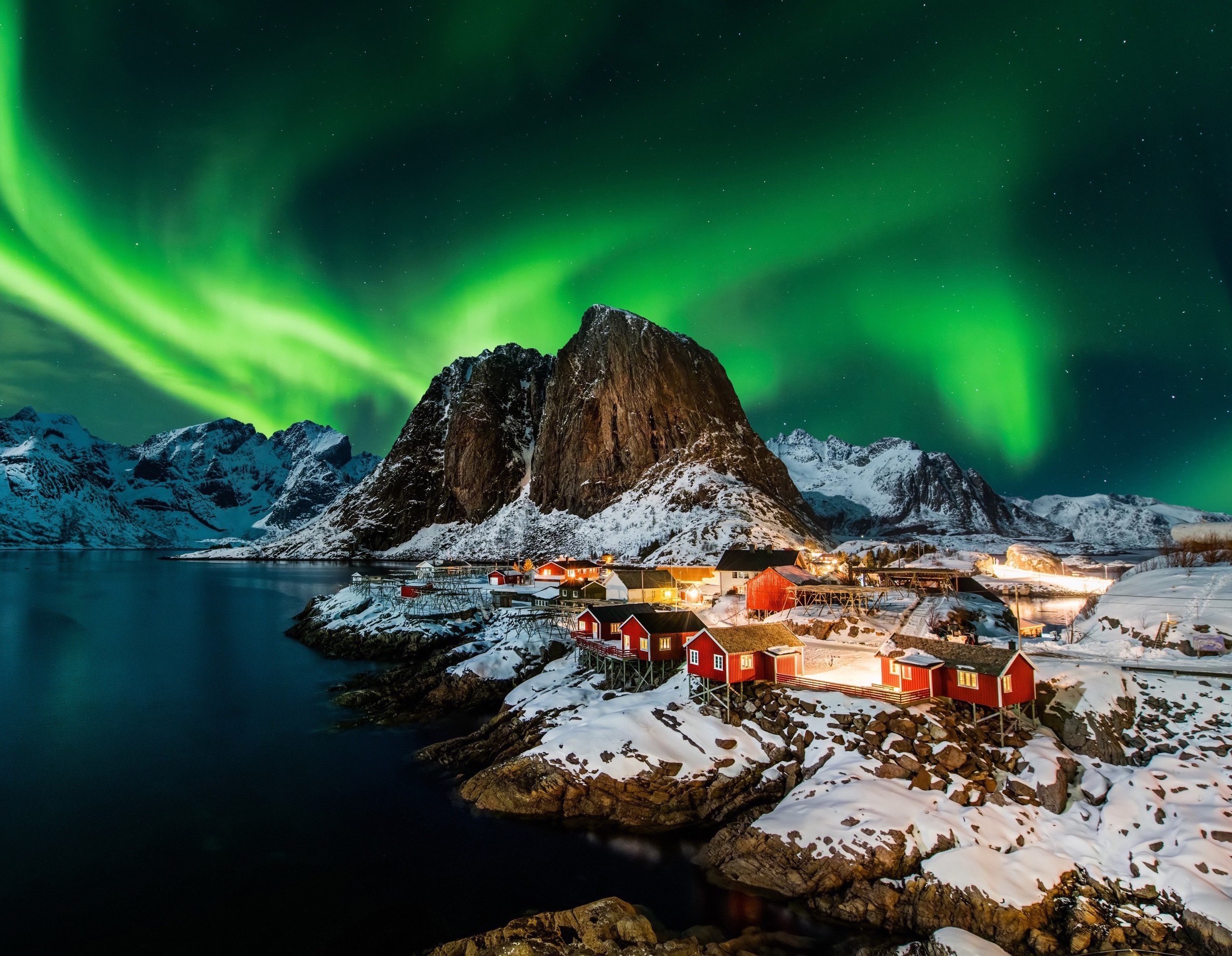
“The Arctic weather was relentless,” de Fontenay recalls. “Freezing temperatures, brutal winds—it was survival filmmaking at its best.” The production faced not only the elements but also the unpredictability of wildlife, including crows, reindeer, and even a bear that made an appearance on set. “On my first film, I worked with roosters; it was much easier,” he jokes, highlighting the stark contrast between controlled environments and the chaos of nature.
The extremes of light in Norway—perpetual darkness in winter and endless daylight in summer—also posed significant scheduling challenges. Yet, de Fontenay and his team leaned into these conditions, using the disorientation to mirror the emotional landscape of the characters. “The themes—grief, trauma, redemption, guilt, the fractures and repairs of family—are universal,” he emphasizes. “Despite the physical extremes, the emotional core transcends the setting.”
Casting the Heart of the Story: Swann Arlaud and Woody Norman’s Powerful Dynamic
One of the most intriguing aspects of de Fontenay’s approach to “Sukkwan Island” was his casting strategy. He entrusted the roles of father and son to Swann Arlaud and Woody Norman, two actors who had never worked together before. This presented a unique challenge: the characters in the film share a deep bond, but the actors had to portray that intimacy while also navigating their own real-life dynamic as strangers at the start of production.

“We structured the filming in such a way that they had to do something really challenging,” de Fontenay explains. “At the start, when their characters are meant to have a deep bond, they had just met in real life. By the end, after spending months together, they had to pretend to be strangers again.” This deliberate choice added layers of authenticity to their performances, as their real-life connection evolved alongside the characters’ emotional journey.
Arlaud brought a quiet intensity to the role of the father, while Norman’s raw, open energy complemented the son’s vulnerability. Their dynamic shifted naturally over time, creating a sense of organic progression that resonated deeply with audiences. “It was fascinating to watch them navigate this,” de Fontenay says. “Their performances added a level of authenticity that might not have been possible otherwise.”
The Challenges of Filming in Norway: Embracing Chaos While Protecting the Vision
Filming “Sukkwan Island” in Norway was no small feat. The production faced not only the physical demands of the environment but also the logistical hurdles of working in such remote locations. De Fontenay’s team shot in two parts over different seasons, a rare opportunity to reunite with the cast and crew months later. This approach allowed them to capture the evolution of the story as the seasons changed, adding a sense of continuity and growth to the film.
“It felt like a reunion—almost like returning to family,” de Fontenay reflects. “Watching the seasons change while working on the same story gave the project a sense of evolution.” The experience was further enriched by the natural beauty of Norway, including the breathtaking northern lights that graced the final days of shooting. “On the last days, the sky lit up with auroras,” he recalls. “It was magical and gratifying for everyone who had given so much to this adventure.”
De Fontenay’s philosophy of embracing chaos while protecting his artistic vision was put to the test during production. “Filmmaking is messy—things will go wrong, and that’s okay,” he advises. “But your vision is the lighthouse that guides you through the storm.” This mindset allowed him to navigate the unpredictability of the Norwegian wilderness and the emotional depth of the story, ultimately shaping “Sukkwan Island” into a film that feels both intimate and epic.
What Inspires Vladimir de Fontenay: From Photography to Filmmaking
De Fontenay’s journey into filmmaking began with a passion for visual storytelling. He started with photography and experimented with a Super 8 camera before transitioning into production assistant roles and making his own short films. His formal training came at NYU’s Tisch School of the Arts, where he earned his MFA. Throughout his career, he has been drawn to the medium’s ability to create empathy, allowing audiences to step into someone else’s life and experience their emotions firsthand.
“There’s a magic in the shared experience of sitting in a dark theater, where a story unfolds and, for a moment, we all believe in it together,” he says. This belief in the power of film has driven his work, from his debut feature to “Sukkwan Island.”
When asked about his creative heroes, de Fontenay cites a diverse range of filmmakers and artists, including Werner Herzog for his boldness, Spike Lee for his unapologetic voice, and Gus Van Sant for his sensitivity. He also admires the visual poetry of Wim Wenders and the performances of Giulietta Masina. “Every story you tell is also the story of you telling it,” he notes. “Your voice, your perspective—that’s what makes the film unique.”
Why This Story Needed to Be Told—and What It Means for Audiences
De Fontenay acknowledges that he may not have known exactly why “Sukkwan Island” needed to be told, but the story’s timeless questions about family, guilt, and redemption resonate deeply in today’s world. “The themes are universal, yet they feel urgent in an age where fractured relationships are so common,” he observes.
The film’s exploration of tragedy and the search for beauty within it is a central theme for de Fontenay. “Humanity is at its most poignant when it’s flawed, vulnerable, and struggling to connect,” he says. “That’s the core of what I want my films to say: that tragedy, however devastating, has beauty in its depths.”
Beyond the Screen: Vladimir de Fontenay’s Personal Reflections
When asked about his personal life, de Fontenay shares a quirky detail: he talks to himself—a lot. “It’s even where some of my ideas come from,” he laughs. This self-reflection, combined with his warmth and curiosity, contributes to his success as a storyteller. “I genuinely love getting to know people and their stories,” he says.
De Fontenay also reveals that he has a deep admiration for doctors, whom he describes as “the real deal.” However, his faintness at the sight of blood might prevent him from pursuing that career path. “I’d want to be a doctor,” he admits, “but maybe not.”
His favorite film from the Sundance Institute or Festival is Memento, which he credits as a game-changer in storytelling. The film’s innovative narrative structure has left a lasting impression on him, reinforcing his belief in the power of cinema to challenge and inspire.
What’s Next for Vladimir de Fontenay?
While “Sukkwan Island” has already made a significant impact, de Fontenay’s creative journey is far from over. He continues to explore new stories and collaborate with talented artists, always with an eye toward creating films that resonate emotionally and intellectually. His next project remains a mystery, but one thing is certain: audiences can expect more thought-provoking, visually stunning works that push the boundaries of storytelling.
For now, “Sukkwan Island” serves as a powerful reminder of the importance of family, the complexities of human relationships, and the enduring power of art to heal and inspire. As de Fontenay himself puts it, “Films are lasting artistic legacies; what do you want yours to say?” His answer lies in the raw, unflinching exploration of humanity’s deepest struggles—and the beauty that can be found within them.
What do you think about “Sukkwan Island”? Share your thoughts in the comments below, and don’t forget to follow World Today Journal for more in-depth coverage of the latest in film and entertainment.
Worth a look