
As spring gives way to summer across the Northern Hemisphere, a familiar question resurfaces in conversations from Berlin to Boston: should sunscreen be part of your daily routine, regardless of the weather or season? While many associate sun protection with beach vacations or scorching afternoons, dermatologists and public health experts increasingly emphasize that consistent, everyday use of sunscreen is one of the most effective ways to prevent long-term skin damage and reduce the risk of skin cancer.
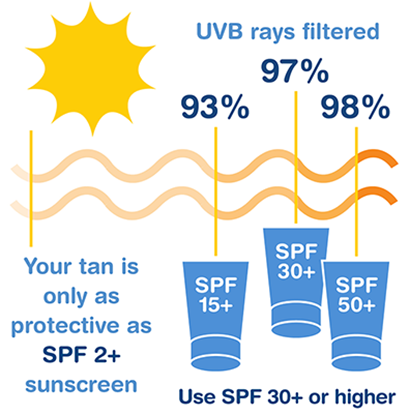
The core recommendation from major health organizations is clear: broad-spectrum sunscreen with a sun protection factor (SPF) of 30 or higher should be applied daily to all exposed skin, even on cloudy days or when spending time indoors near windows. This guidance stems from accumulating evidence that ultraviolet (UV) radiation — particularly UVA rays, which penetrate deeply into the skin and can pass through glass — contributes significantly to photoaging and carcinogenesis year-round. According to the Skin Cancer Foundation, regular daily use of an SPF 15 sunscreen can reduce the risk of developing squamous cell carcinoma by about 40 percent and lower melanoma risk by 50 percent.
These protective effects are not limited to intense sun exposure. UVA rays maintain relatively consistent intensity throughout the day and across seasons, unlike UVB rays, which vary more with time of day and season and are primarily responsible for sunburn. Because UVA contributes to both immediate skin damage and long-term changes like wrinkles, loss of elasticity, and dark spots, shielding against it requires ongoing vigilance. This is why experts recommend applying sunscreen 30 minutes before going outside and reapplying every two hours, or immediately after swimming or sweating.
Understanding how sunscreen works begins with decoding SPF. The number indicates how much longer it takes for UVB rays to redden protected skin compared to unprotected skin. For example, SPF 30 theoretically allows you to stay in the sun 30 times longer before burning than if you wore no sunscreen. However, real-world protection depends heavily on proper application. Studies show that most people apply only 25 to 50 percent of the recommended amount, significantly reducing actual protection. To achieve the labeled SPF, adults should use approximately one ounce — enough to fill a shot glass — to cover the entire body. For the face alone, a nickel-sized dollop is advised.
Equally important is choosing a broad-spectrum formula, which safeguards against both UVA and UVB radiation. Ingredients like zinc oxide and titanium dioxide (mineral filters) or avobenzone and ecamsule (chemical filters) are commonly used to achieve this dual protection. While debates continue about the environmental impact of certain chemical filters — particularly oxybenzone and octinoxate, which have been linked to coral reef damage in some studies — regulatory bodies like the U.S. Food and Drug Administration (FDA) continue to evaluate their safety for human use. In response, many manufacturers now offer reef-friendly alternatives that avoid these specific compounds.
Special considerations apply to certain populations. Children over six months old should wear sunscreen, though infants younger than that are best protected through shade and protective clothing due to their sensitive skin. People undergoing cancer treatments, such as chemotherapy or radiation, often experience heightened photosensitivity, making their skin more prone to burns, inflammation, and persistent discoloration even after brief sun exposure. In these cases, dermatologists frequently recommend mineral-based sunscreens, which are less likely to irritate compromised skin, and advise avoiding products with alcohol, fragrances, or preservatives that may exacerbate sensitivity.
Beyond sunscreen, a comprehensive sun protection strategy includes wearing tightly woven clothing, wide-brimmed hats, and UV-blocking sunglasses. Seeking shade during peak UV hours — typically between 10 a.m. And 4 p.m. — further reduces exposure. These measures are especially important in high-altitude or reflective environments like snow, sand, or water, where UV intensity can increase significantly.
Public awareness campaigns have helped shift perceptions, but gaps remain. Surveys consistently show that while many people recognize the importance of sunscreen during summer months, fewer incorporate it into their daily winter or overcast-day routines. Yet up to 80 percent of UV rays can penetrate cloud cover, meaning skin damage accumulates even when the sun isn’t visibly strong. This misconception underscores the need for ongoing education about the cumulative nature of UV exposure and the long-term benefits of consistent protection.
Ongoing research continues to refine our understanding of how sunscreen fits into broader skin cancer prevention strategies. Recent studies have explored the role of antioxidants in sunscreen formulations, which may help neutralize free radicals generated by UV exposure, potentially offering added defense against cellular damage. Meanwhile, innovations in texture and wearability — such as lightweight gels, sticks for targeted application, and tinted moisturizers with SPF — aim to improve compliance by making daily use more pleasant and convenient.
As with any health practice, individual factors such as skin type, geographic location, and personal history of skin cancer influence the ideal approach to sun protection. Those with fair skin, a history of sunburns, or a family history of melanoma may benefit from higher SPF levels or more frequent reapplication. Consulting a dermatologist can help tailor a regimen that balances efficacy, comfort, and safety.
The bottom line remains supported by decades of research: daily sunscreen use is a simple, evidence-based habit that significantly reduces the risk of preventable skin damage and cancer. It is not merely a seasonal precaution but a year-round commitment to skin health — one that, when practiced correctly, offers measurable protection against both the visible signs of aging and the invisible threats posed by ultraviolet radiation.
For those looking to deepen their understanding of sun safety, trusted resources include the Skin Cancer Foundation’s detailed guides on SPF, application techniques, and product selection, as well as public health advisories from national dermatological associations. These sources provide clear, science-backed recommendations to help individuals make informed choices about protecting their skin in every season.
We encourage readers to share their experiences with daily sunscreen use in the comments below — what products work best for your routine, and how have you made sun protection a consistent habit? Your insights could help others navigate this important aspect of preventive health.