Cytomegalovirus (CMV) is a common virus that infects people of all ages, but it poses particular risks to certain groups, especially pregnant women and individuals with weakened immune systems. While most healthy people experience no symptoms or only mild, flu-like illness, CMV can lead to serious complications when transmitted to a developing fetus or when it reactivates in immunocompromised individuals. Understanding when CMV becomes dangerous and how to prevent infection is essential for protecting vulnerable populations.
The virus spreads through direct contact with body fluids such as saliva, urine, blood, semen and breast milk. It can be transmitted via kissing, sexual contact, sharing utensils, or from mother to baby during pregnancy, delivery, or breastfeeding. In childcare settings, young children often shed the virus in their saliva and urine, increasing exposure risk for caregivers, particularly pregnant women who work in daycare centers or have young children at home.
According to verified public health sources, CMV infection during pregnancy is a leading cause of congenital disabilities worldwide. When a woman contracts CMV for the first time while pregnant, there is a risk the virus will cross the placenta and infect the fetus. This congenital CMV infection can result in hearing loss, vision problems, intellectual disabilities, seizures, or impaired growth. However, not all babies born with congenital CMV experience long-term effects—some appear healthy at birth but may develop hearing loss later in infancy or early childhood.
The Centers for Disease Control and Prevention (CDC) emphasizes that practicing good hygiene is the most effective way to reduce the risk of CMV transmission, especially for those who are pregnant or may become pregnant. This includes washing hands thoroughly with soap and water after changing diapers, feeding young children, wiping noses, or handling toys. Avoiding kissing children on the lips and not sharing food, drinks, or eating utensils with young children are also recommended preventive measures.
Occupational exposure is another important consideration. Workers in healthcare, childcare, and education settings may face higher risks due to frequent contact with bodily fluids. The Occupational Safety and Health Administration (OSHA) advises employers to develop infection control plans that include training on CMV risks, providing access to handwashing facilities, and encouraging the leverage of personal protective equipment such as gloves when dealing with potentially infectious materials.
For individuals with weakened immune systems—such as those undergoing organ transplants, chemotherapy, or living with HIV—CMV can cause severe disease affecting the lungs, liver, gastrointestinal tract, or eyes. In these cases, the virus may reactivate from a latent state, leading to conditions like colitis, pneumonia, or retinitis. Antiviral medications such as valganciclovir are available to treat serious CMV infections in immunocompromised patients, though they are not routinely used for prevention in healthy individuals.
There is currently no licensed vaccine to prevent CMV infection, although several candidates are in various stages of clinical trials. Researchers are investigating vaccines aimed at adolescent girls and women of childbearing age to prevent congenital transmission, as well as formulations for transplant recipients. Until a vaccine becomes available, public health education remains critical in reducing the spread of CMV and protecting those most at risk.
Raising awareness about CMV is vital because many people have never heard of the virus despite its prevalence. Studies suggest that by adulthood, a majority of people have been infected with CMV at some point in their lives, often without knowing it. The virus remains dormant in the body for life and can reactivate, particularly when immunity is lowered.
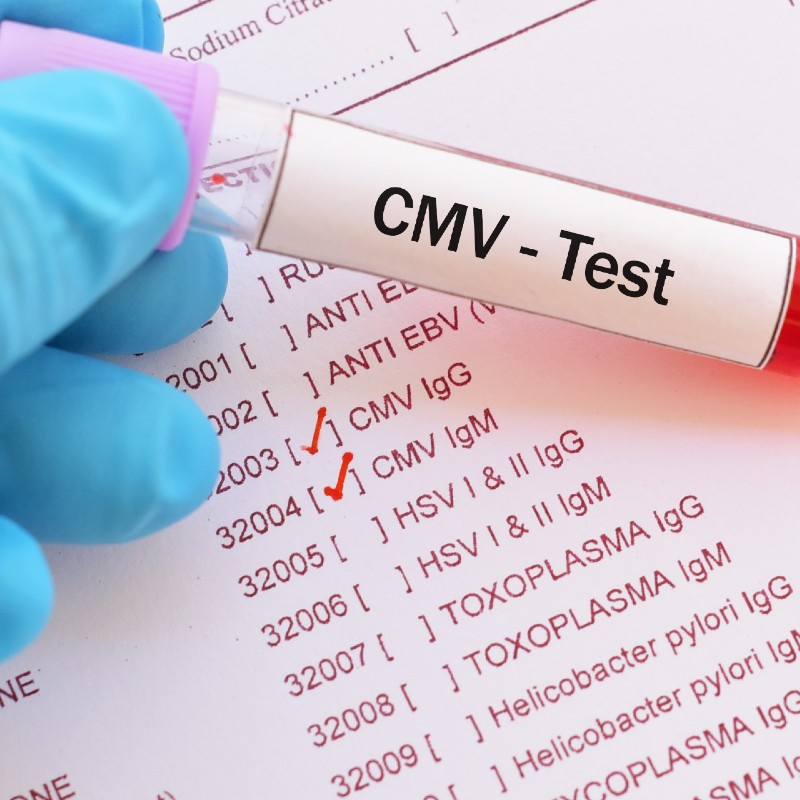
Pregnant women who are concerned about their risk should speak with their healthcare provider about testing options. While routine CMV screening during pregnancy is not universally recommended in all countries, some healthcare systems offer testing for women with symptoms or known exposure. Blood tests can detect antibodies indicating past or recent infection, helping inform decisions about monitoring and care.
For families affected by congenital CMV, early intervention services can make a significant difference. Hearing aids, speech therapy, occupational therapy, and educational support help children reach their full potential. Regular follow-up with pediatric specialists ensures that any emerging issues are addressed promptly.
As research continues into vaccines and better treatments, the focus remains on prevention through informed behavior. Simple hygiene practices, awareness of transmission routes, and targeted protections for high-risk groups are the best tools currently available to reduce the burden of CMV infection.
Stay informed about the latest developments in CMV prevention and treatment by consulting trusted sources such as the CDC and World Health Organization (WHO). Share this information to help others understand the risks and seize steps to protect themselves and their loved ones.
Related reading