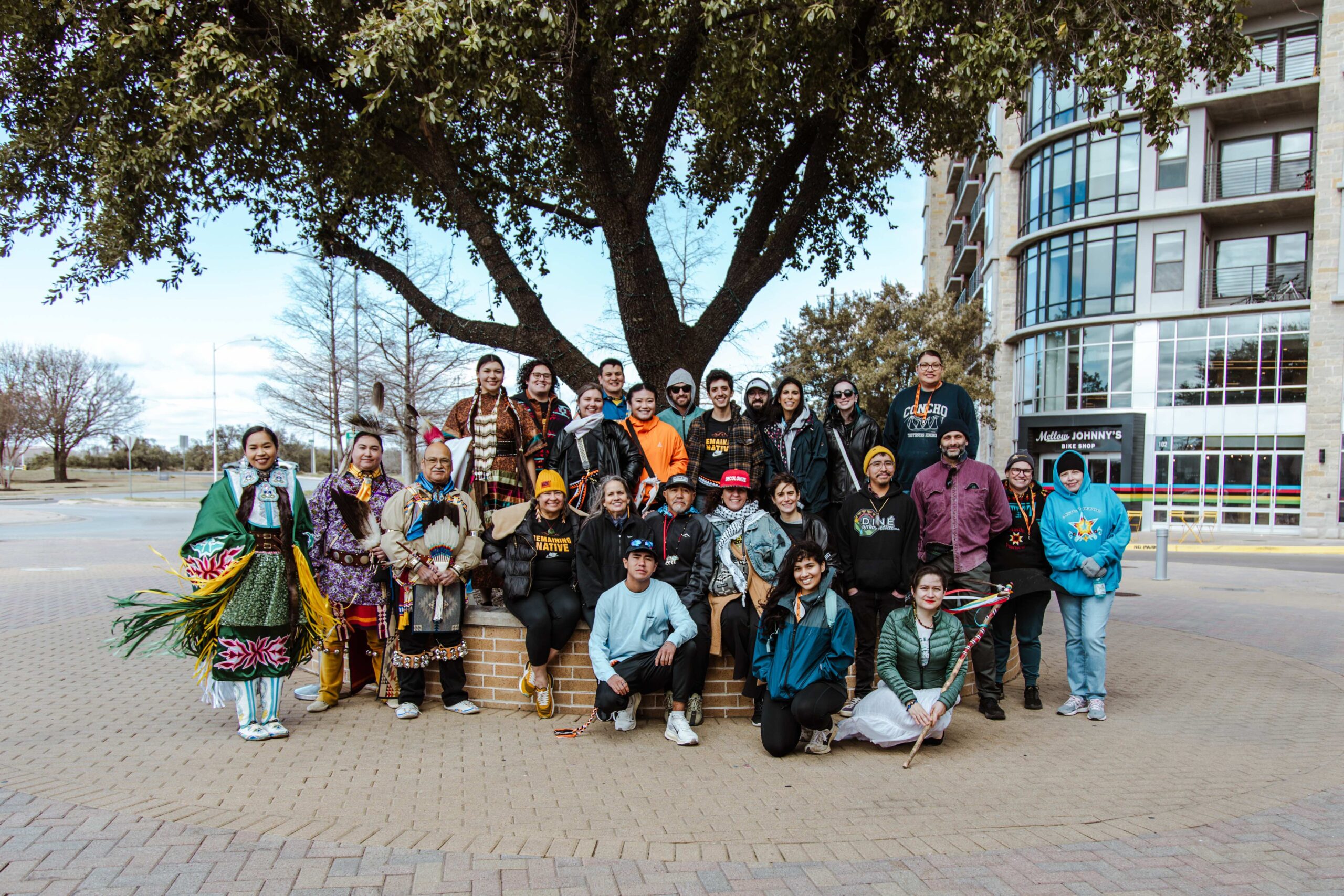
The Enduring Power of Storytelling: Connecting Generations and Healing Historical Trauma
Storytelling is as old as humanity itself. Before written language, oral traditions were the lifeblood of cultures, preserving history, values, and beliefs. But its meaning extends far beyond mere preservation. it’s a powerful tool for connection, healing, and understanding – a bridge between generations.This article explores the profound impact of storytelling, particularly within indigenous communities, and how it can illuminate the path toward reconciliation and personal growth. We’ll delve into the importance of narrative in preserving cultural heritage, addressing historical trauma, and fostering a sense of belonging.
The Gift of a Story: A Personal Reflection
My grandmother, a renowned Mohawk storyteller, possessed a rare gift. Even during her final days in the hospital in 2019, she drew a constant stream of visitors - relatives, friends, and even hospital staff – eager to hear her recount tales of her life as an educator, her family history, and even her surprisingly accurate predictions for Wheel of Fortune. But it was during a quiet moment, just the two of us, that she bestowed upon me a gift more precious then any story she’d ever told.
I asked her to retell “How the Birds Got Their Songs,” a cherished tale from my childhood. Instead, she smiled, yawned, and said, “no, you tell it to me.” This act of trust, of entrusting me with the continuation of our family’s narrative, was profoundly moving.It mirrored a later experience as a Sundance institute-supported artist through the Documentary Film Program (Edit and Story Lab), working on my first feature film, Remaining Native.
Remaining Native is a coming-of-age documentary that follows Ku Stevens, a 17-year-old Native American runner, as he navigates his athletic aspirations while grappling with the legacy of his great-grandfather’s experience at an Indian boarding school. The film explores how the past continues to resonate in the present, shaping identity and influencing the future. It’s a testament to the power of narrative medicine and the importance of giving voice to marginalized experiences.
Why Storytelling Matters: Beyond Entertainment
The act of sharing stories isn’t simply about entertainment; it’s basic to the human experience. Here’s why:
* Cultural Preservation: Stories transmit cultural values,traditions,and knowledge across generations. For Indigenous communities, who have historically faced systemic attempts to erase their cultures, storytelling is a vital act of resistance and resilience.
* Identity Formation: Narratives help us understand who we are, where we come from, and our place in the world.They provide a framework for interpreting our experiences and constructing our identities.
* Empathy and Connection: Stories allow us to step into the shoes of others, fostering empathy and understanding. They bridge divides and promote a sense of shared humanity.
* Healing and Trauma Recovery: Sharing personal narratives can be a powerful tool for processing trauma and promoting healing. Trauma-informed storytelling recognizes the sensitive nature of these experiences and prioritizes safety and empowerment.
* Social Change: Stories can challenge dominant narratives, raise awareness about social injustices, and inspire action.
Recent research from the National Endowment for the Arts (NEA) highlights the continued importance of storytelling in American life. A 2023 NEA report found that 49% of adults participated in at least one arts activity involving storytelling or narrative creation, demonstrating its widespread appeal and cultural relevance. https://www.arts.gov/
Addressing Historical Trauma Through Narrative
For many indigenous communities,the legacy of colonialism and historical trauma – including forced assimilation,residential schools,and land dispossession – continues to cast a long shadow. Storytelling plays a crucial role in acknowledging this trauma, fostering healing, and promoting reconciliation.
Indian boarding schools, for example, were designed to strip Indigenous children of their cultures and languages. The trauma inflicted within these institutions has had devastating intergenerational effects. By sharing the stories of survivors, we can begin to understand the depth of this harm and work towards healing.
remaining Native directly addresses this complex history. Ku Stevens’ journey is inextricably linked to his great-grandfather’s experience at a boarding school, demonstrating how the past continues to shape the present. The film utilizes Indigenous filmmaking practices to ensure authenticity and respect for the stories being told
Related reading