Meteorological experts and climate scientists are closely monitoring the transition of global weather patterns as the El Niño-Southern Oscillation (ENSO) cycle shifts, a phenomenon expected to influence temperature and rainfall distributions across North Africa, including Egypt, in the coming months. While specific long-term regional forecasts for Egypt remain subject to the variability of atmospheric dynamics, international climate agencies, including the World Meteorological Organization (WMO), have highlighted that the transition from El Niño to neutral or La Niña conditions often correlates with shifts in seasonal climate norms. According to the World Meteorological Organization, these climate drivers are natural occurrences that play a significant role in modulating global temperature averages and precipitation patterns, necessitating proactive adaptation strategies for agriculture and water resource management.
The anticipation surrounding potential shifts in Egyptian climate patterns is rooted in the broader context of record-breaking global heat observed throughout 2023 and early 2024. Data from the Copernicus Climate Change Service indicates that the previous year was the warmest on record, a trend exacerbated by the combination of human-induced climate change and the strong El Niño event that peaked in late 2023. For residents and sectors such as agriculture in Egypt, these transitions are critical, as they influence the intensity of summer heatwaves and the availability of water resources. Understanding these shifts is not merely a matter of meteorological record-keeping but a practical necessity for planning in sectors that rely heavily on predictable seasonal cycles.
Understanding the Influence of ENSO on Regional Climate
The El Niño-Southern Oscillation (ENSO) is a periodic fluctuation in sea surface temperatures and air pressure across the equatorial Pacific Ocean. When the system shifts, it alters the path of the jet stream and the distribution of atmospheric moisture globally. According to the National Oceanic and Atmospheric Administration (NOAA), the transition away from a major El Niño event often results in a period of stabilization, though the immediate aftermath can still experience residual effects on global surface temperatures. In the context of North Africa, these oceanic shifts can influence the frequency of heat domes—high-pressure systems that trap hot air over a region for extended periods.
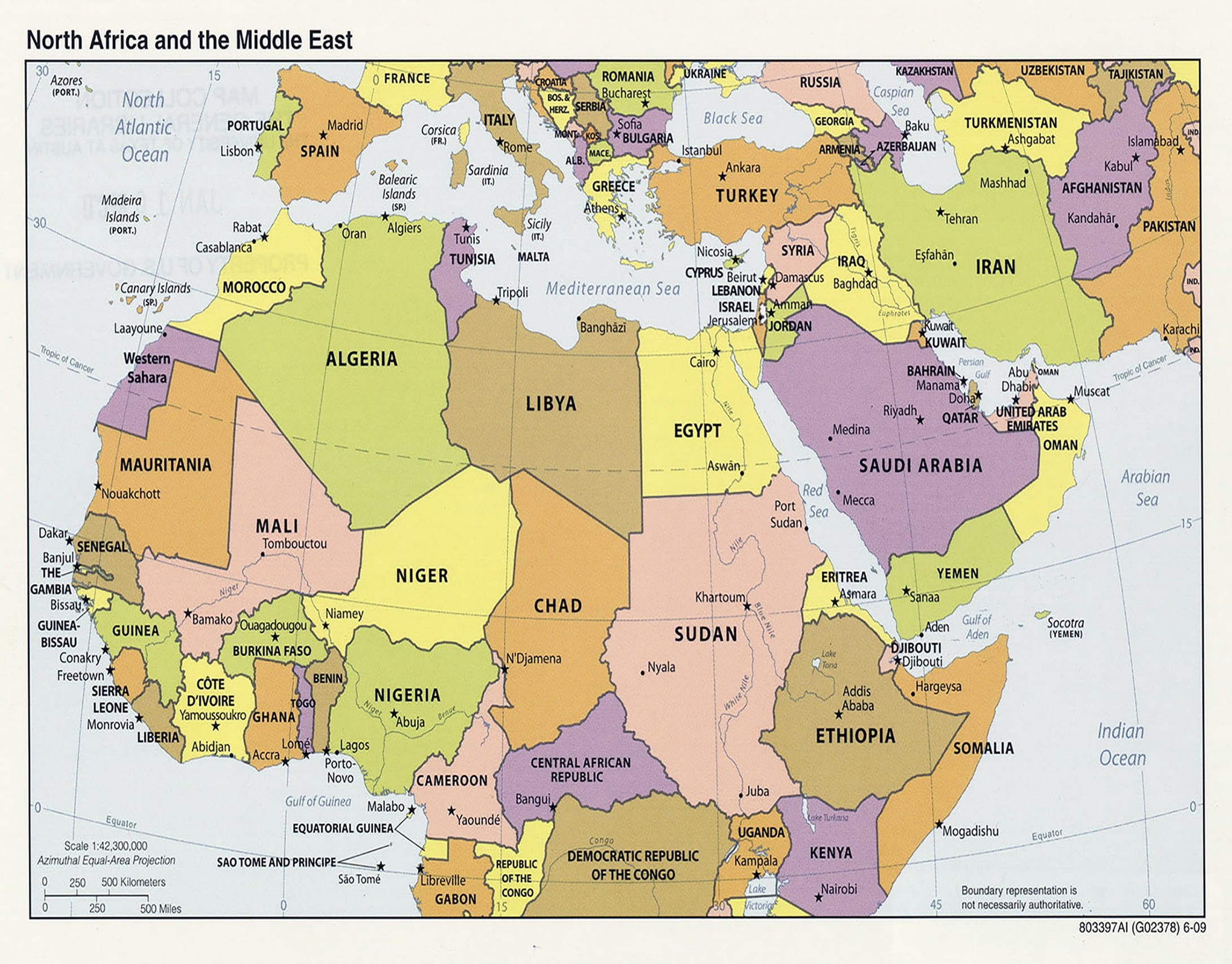
While the ENSO cycle is a global driver, its local impact in Egypt is also mediated by regional factors, including Mediterranean sea surface temperatures and internal atmospheric circulation. Scientific consensus, as outlined by the Intergovernmental Panel on Climate Change (IPCC), suggests that regions in the Middle East and North Africa are particularly susceptible to increased temperature extremes. These shifts often require adjustments in daily life, such as changes in energy consumption for cooling, modifications to planting schedules for heat-sensitive crops, and public health advisories during peak summer months.
Climate Adaptation and Public Preparedness
As meteorological agencies continue to track the dissipation of current climate anomalies, the focus for national authorities often shifts toward adaptation and resilience. Public awareness regarding temperature fluctuations is a key component of this strategy. For Egypt, where agriculture is a cornerstone of the economy, the Food and Agriculture Organization (FAO) has frequently emphasized the importance of climate-smart farming techniques to mitigate the risks posed by shifting precipitation and temperature patterns. Farmers are encouraged to utilize drought-resistant crop varieties and efficient irrigation technologies to maintain yields during periods of climatic volatility.
Beyond the agricultural sector, urban centers like Cairo and Alexandria face the challenge of managing increased demand for electricity and water during periods of extreme heat. Government-led initiatives often focus on infrastructure upgrades, such as improving the efficiency of the national power grid and promoting water conservation practices among the general population. According to reports by the United Nations Development Programme (UNDP) in Egypt, integrating climate risk management into urban planning is a priority for ensuring the long-term sustainability of the country’s rapidly growing metropolitan areas.
What to Expect in the Coming Months
The transition toward a neutral phase in the Pacific does not signify an immediate return to historical climate norms. Instead, meteorologists suggest that the residual heat stored in the global oceans will likely continue to influence temperature trends throughout the year. The NOAA National Centers for Environmental Information notes that even as El Niño conditions fade, the inertia of the climate system means that the coming months may still see elevated temperature anomalies compared to long-term averages. For the general public, this translates to a need for continued vigilance during summer months.

Residents are encouraged to monitor updates from official sources, such as the Egyptian Meteorological Authority, which provides localized forecasts and weather warnings. Staying informed through these channels allows for better preparation for heat-related risks. As the transition progresses, the focus remains on observing how atmospheric models reconcile the dissipation of the El Niño signal with the ongoing trend of global warming, which continues to set the baseline for extreme weather events worldwide.
The next major update regarding global ENSO status is expected from the World Meteorological Organization in their upcoming quarterly climate briefing. Until then, international climate observers continue to emphasize the importance of data-driven decision-making and infrastructure resilience in responding to a changing climate. Readers are encouraged to share this information and stay tuned to official government advisories for the most accurate, localized updates as the season progresses.
Keep reading