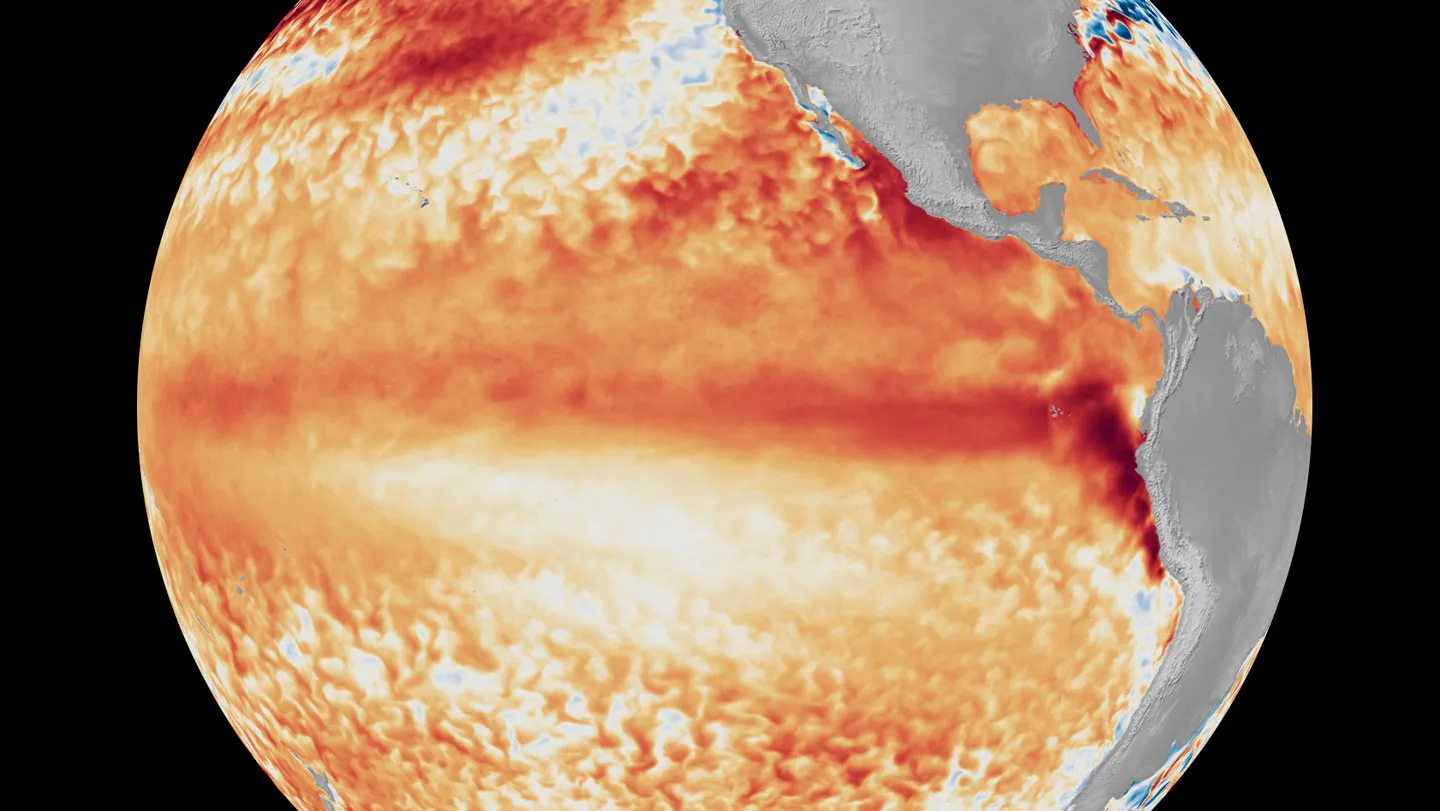
Meteorologists are currently monitoring the development of El Niño conditions in the equatorial Pacific, a climate pattern characterized by the warming of ocean surface temperatures that can trigger significant shifts in global weather systems. While media reports have speculated about the potential for a “super” El Niño, the National Oceanic and Atmospheric Administration (NOAA) defines the phenomenon based on established sea surface temperature thresholds and atmospheric responses rather than speculative intensity labels. According to the NOAA Climate Prediction Center, El Niño remains in effect with high confidence of continuing through the Northern Hemisphere winter.
The current climate cycle follows a period of record-breaking global heat. As of late 2023, data from the National Centers for Environmental Information confirmed that the year was on track to be the warmest on record, a trend exacerbated by the combination of long-term human-induced climate change and the arrival of El Niño. For populations across the globe, this means preparing for a season of unpredictable precipitation, altered storm tracks, and potential disruptions to agriculture and public health infrastructure.
How El Niño Alters Global Weather Patterns
El Niño occurs when trade winds weaken, allowing warm water from the western Pacific to move eastward toward the Americas. This shift alters the jet stream, which dictates the path of storms and temperature patterns across the globe. The World Meteorological Organization reports that El Niño typically has the strongest impact on global temperatures during the year following its development. The redistribution of heat creates a ripple effect: regions that typically experience drought may face excessive rainfall, while other areas encounter unusually dry conditions.
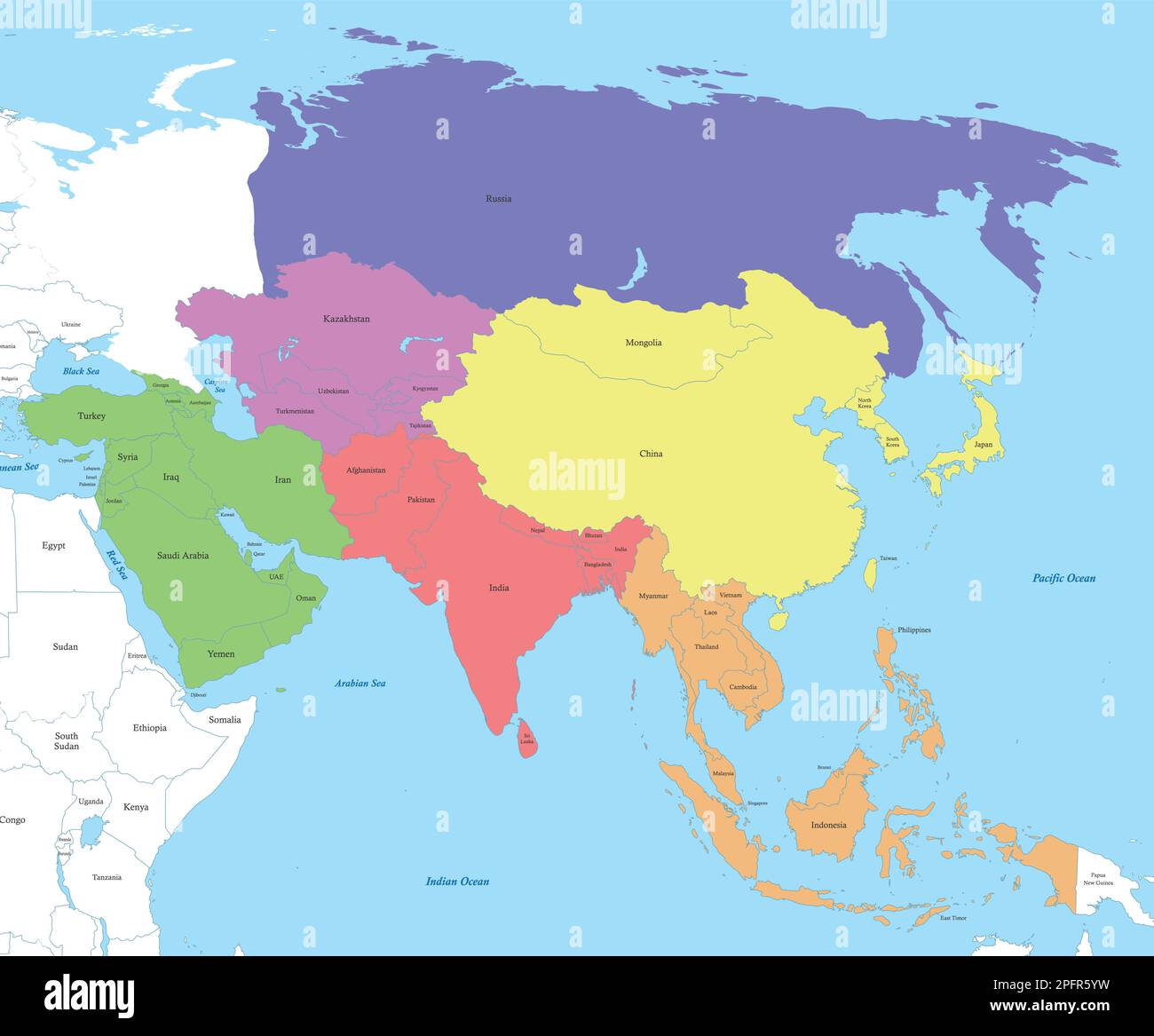
The impact is not uniform. In the United States, for instance, the southern tier of the country often experiences wetter-than-average conditions, while the Pacific Northwest and parts of Canada tend to be warmer and drier. Internationally, the phenomenon is frequently linked to increased rainfall in parts of southern South America, the southern United States, the Horn of Africa, and central Asia. Conversely, it can cause severe droughts in Australia, Indonesia, and parts of southern Asia, potentially impacting regional food security and water supplies.
Public Health and Environmental Risks
The medical and public health community closely monitors El Niño due to its capacity to alter the transmission dynamics of infectious diseases. Changes in temperature and precipitation patterns can expand the habitat of disease-carrying vectors such as mosquitoes. According to the World Health Organization, these climate shifts are associated with increased risks of outbreaks for diseases like malaria, dengue fever, and cholera, particularly in regions where sanitation infrastructure is already strained by flooding or drought.
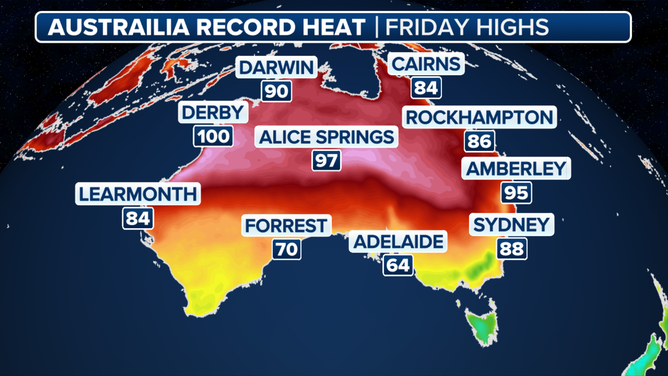
Beyond infectious disease, the environmental consequences are significant. “Super” events, historically classified by extremely high sea surface temperature anomalies in the central Pacific, have been linked to intense wildfire seasons in regions like Indonesia and southeastern Australia due to prolonged dry spells. Simultaneously, increased rainfall in coastal regions can lead to large-scale flooding events, damaging homes and critical infrastructure. The Intergovernmental Panel on Climate Change (IPCC) emphasizes that these events are occurring against a backdrop of a warming climate, which generally increases the frequency and intensity of extreme weather events.
Preparing for a Warmer Winter
Climate experts and government agencies advise that the best preparation for an El Niño season involves staying informed through verified meteorological sources. The National Weather Service provides localized guidance for residents to mitigate risks, such as clearing storm drains ahead of predicted heavy rainfall and preparing emergency kits for potential power outages or supply chain disruptions. Because El Niño affects global commodity markets—particularly agricultural yields—international organizations also monitor the potential for food price volatility.
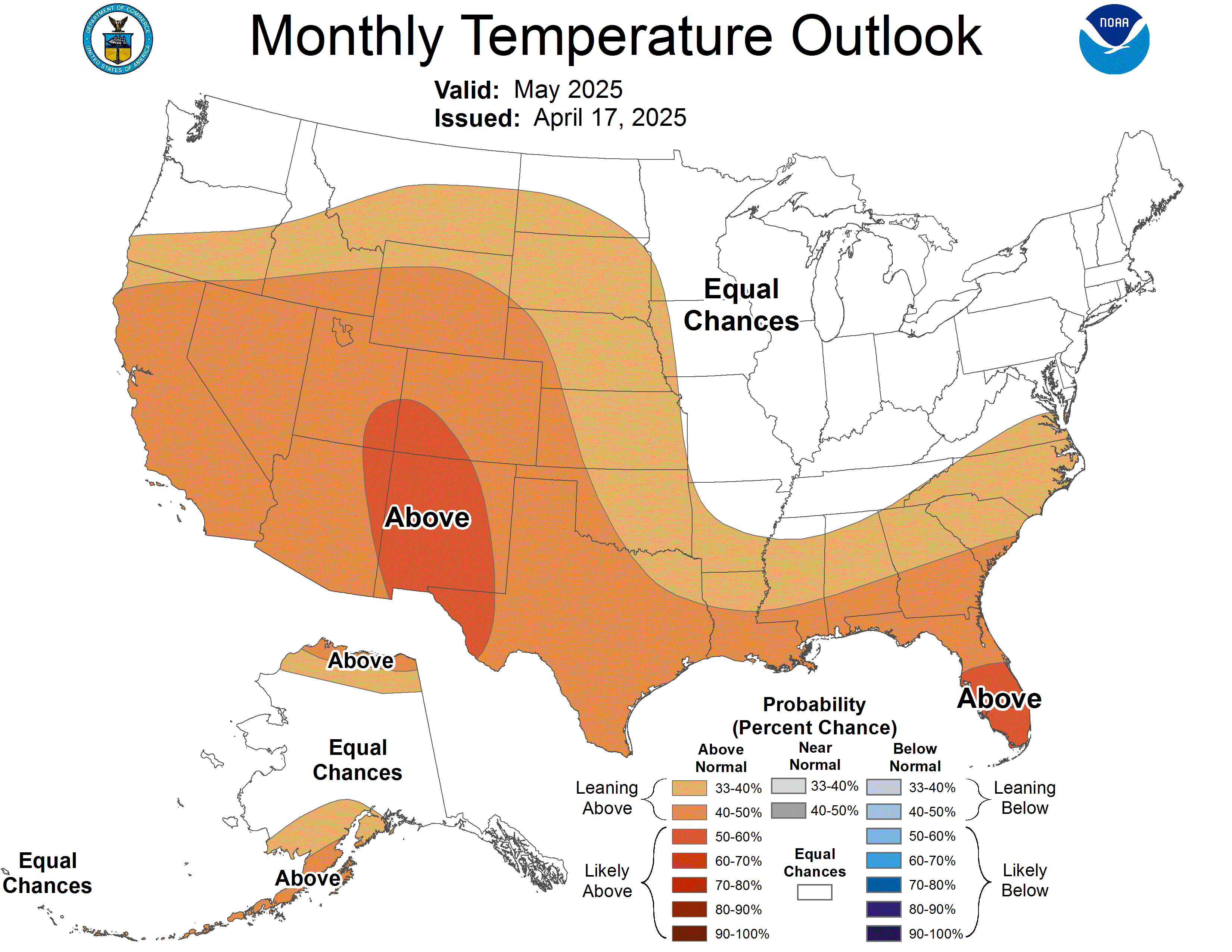
The next major update regarding the evolution of the current El Niño cycle is expected from the NOAA Climate Prediction Center in their monthly ENSO (El Niño-Southern Oscillation) diagnostic discussion. These reports are essential for farmers, emergency managers, and health officials attempting to adjust their resource allocation for the coming months. For those interested in tracking the latest data or finding safety tips for their specific region, the NOAA Climate.gov portal remains the primary resource for objective, science-based information on current climate conditions.
As the winter season progresses, tracking these developments remains a priority for global health and environmental security. Please feel free to share this information with your community and leave your questions in the comments section below as we continue to monitor official reports on this developing climate pattern.
Related reading