
President-elect Donald Trump has publicly claimed to have brokered an end to the ongoing conflict involving Iran, issuing a sharp warning that he would resort to military force if the terms are not upheld. According to statements released via his social media platforms, the incoming administration asserts that a resolution has been reached, though officials in Tehran have not confirmed the existence of any such bilateral agreement.
The president-elect’s assertion comes amid heightened regional tensions and follows a period of volatile diplomatic exchanges between Washington and Tehran. While the incoming administration frames the development as a significant diplomatic breakthrough, the lack of official corroboration from Iranian state media or the U.S. State Department has prompted scrutiny from international relations analysts. According to the U.S. Department of State, official diplomatic channels remain the primary mechanism for formalizing international agreements, and no new treaty or memorandum of understanding regarding Iran has been filed or announced to date.
The Nature of the Claims and Rhetorical Posture
The claims regarding an Iran peace deal center on the president-elect’s stated intent to leverage the threat of overwhelming military action to secure compliance. In public remarks, Trump suggested that his approach to foreign policy relies on the credible threat of force to compel adversaries to the negotiating table. This rhetoric mirrors the “maximum pressure” campaign utilized during his first term, which included the 2018 withdrawal from the Joint Comprehensive Plan of Action (JCPOA), as documented by the Reuters archive on the collapse of the nuclear agreement.
Analysts suggest that such declarations serve as both a domestic political signal and a strategic tool for setting the tone of his second term. By framing the situation as a “deal,” the incoming administration is attempting to shift the narrative from one of ongoing regional instability to one of decisive resolution. However, under international law, a peace deal typically requires signed documentation, legislative ratification, and transparent verification protocols—none of which have been presented or verified by independent monitors or the International Atomic Energy Agency (IAEA).
Regional Reactions and Diplomatic Reality
Tehran’s response to these claims has been characterized by silence or official dismissal. Historically, Iranian leadership has maintained that negotiations must be conducted through established international frameworks rather than unilateral declarations. The current geopolitical landscape is complicated by Iran’s ongoing uranium enrichment activities and its support for regional proxy groups, factors that remain central to any meaningful diplomatic dialogue.

According to reports from the Associated Press, the lack of a formal, written agreement means that the status quo remains unchanged. The confusion surrounding the “deal” highlights the gap between public declarations and the complex administrative reality of international diplomacy. For an agreement to be considered binding, it must typically clear multiple regulatory hurdles, including review by the U.S. Senate if it reaches the level of a formal treaty, or executive oversight if handled as an administrative arrangement.
Historical Context and Precedent
The current situation draws inevitable comparisons to the diplomatic maneuvers of the 2017–2021 period. During that timeframe, the administration’s strategy focused on isolating Iran economically while bypassing traditional multilateral coalitions. The 2018 move to reimpose sanctions, confirmed by the U.S. Department of the Treasury, remains the most significant shift in the U.S.-Iran relationship in the last decade. Critics argue that unilateral threats, while effective at garnering headlines, often fail to produce long-term stability or verifiable constraints on nuclear proliferation.
Proponents of the president-elect’s approach argue that the unpredictability of his rhetoric acts as a deterrent. By threatening to “drop bombs,” the incoming administration asserts it is forcing a change in behavior through fear of consequences. Observers note that this method creates a high-stakes environment where any miscalculation could lead to rapid escalation, distinguishing this approach from traditional, lower-profile diplomatic negotiations.
What Happens Next in U.S.-Iran Relations
The next major checkpoint for these claims will be the formal inauguration and the subsequent appointment of the new administration’s national security team. Once in office, the administration will be required to submit any formal agreements to the appropriate oversight committees for review. Observers are currently monitoring for any movement of naval assets or changes in sanction enforcement, which would provide a more accurate indicator of the administration’s actual policy direction than public statements alone.
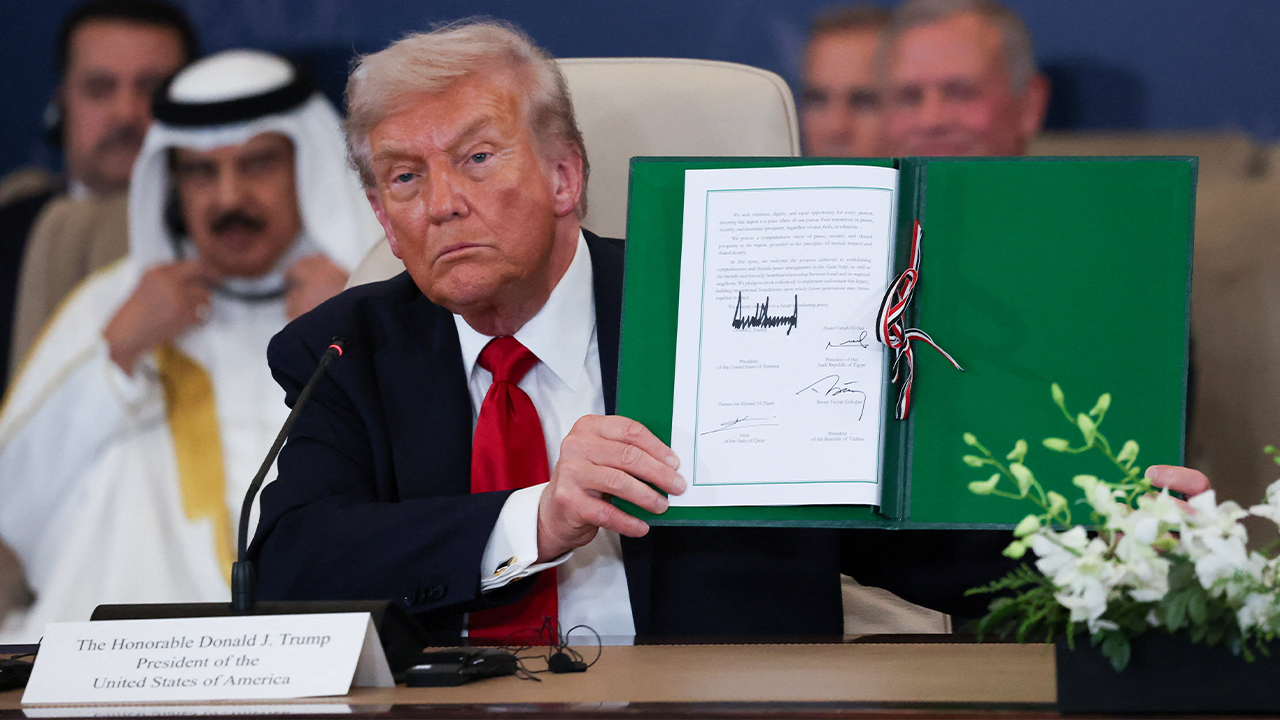
For now, the international community remains in a wait-and-see posture. As of this writing, there have been no confirmed changes to the diplomatic status of the U.S. mission to Iran, nor have there been any briefings from the Pentagon regarding a shift in military posture related to a “peace deal.” Readers seeking confirmed updates on official foreign policy should monitor the daily press briefings provided by the White House Press Office.
We encourage our readers to participate in the conversation by sharing their perspectives on the effectiveness of this diplomatic strategy. Please keep comments respectful and focused on the facts presented in this report.
Related reading
- Protests Erupt Over Rione Terra and America’s Cup in Italy
- Yadier del Valle Knocks Out Darren Elkins in 35 Seconds at UFC Vegas 120
- Tariff vs. Price Floor: What Trump's New Solar Rule Does (daybreakwire.com)
- Iran Demands Cast Doubt on Reopening Strait of Hormuz Despite Oman Deal Talks (world-today-news.com)