
Supreme Court Backs Anti-Abortion Centers in New Jersey Donor Privacy Case
Washington D.C. – In a significant victory for anti-abortion advocacy groups, the U.S. Supreme Court on Wednesday ruled in favor of the operator of Christian faith-based “crisis pregnancy centers” in New Jersey, allowing them to challenge a state law requiring them to disclose more information about their finances and operations. The decision centers on First Amendment rights and donor privacy, and sets a precedent for similar centers nationwide. The case, Americans United for Life v. Bruce, involved a challenge to New Jersey’s Charitable Registration and Investigation Act, which the centers argued placed an undue burden on their religious freedom and right to privacy.
The court’s decision allows Americans United for Life (AUL) to pursue its claim in federal court that the New Jersey law violates the First Amendment. The core of the dispute revolves around a 2007 law requiring charitable organizations, including crisis pregnancy centers, to provide detailed financial information to the state. AUL argued that the law’s disclosure requirements were overly broad and targeted the centers based on their anti-abortion views. The centers provide alternatives to abortion, offering services like counseling, prenatal care, and adoption referrals. Critics contend that these centers often present misleading information to dissuade women from seeking abortions.
First Amendment Concerns at the Heart of the Case
The legal battle began when New Jersey’s Attorney General, Matthew Platkin, sought to enforce the state’s charitable registration requirements against AUL. AUL then filed suit, arguing that the law violated their First Amendment rights to freedom of speech and association. The state argued that the disclosure requirements were necessary to ensure transparency and accountability for charitable organizations. However, the Supreme Court sided with AUL, finding that they had standing to bring the claim in federal court.
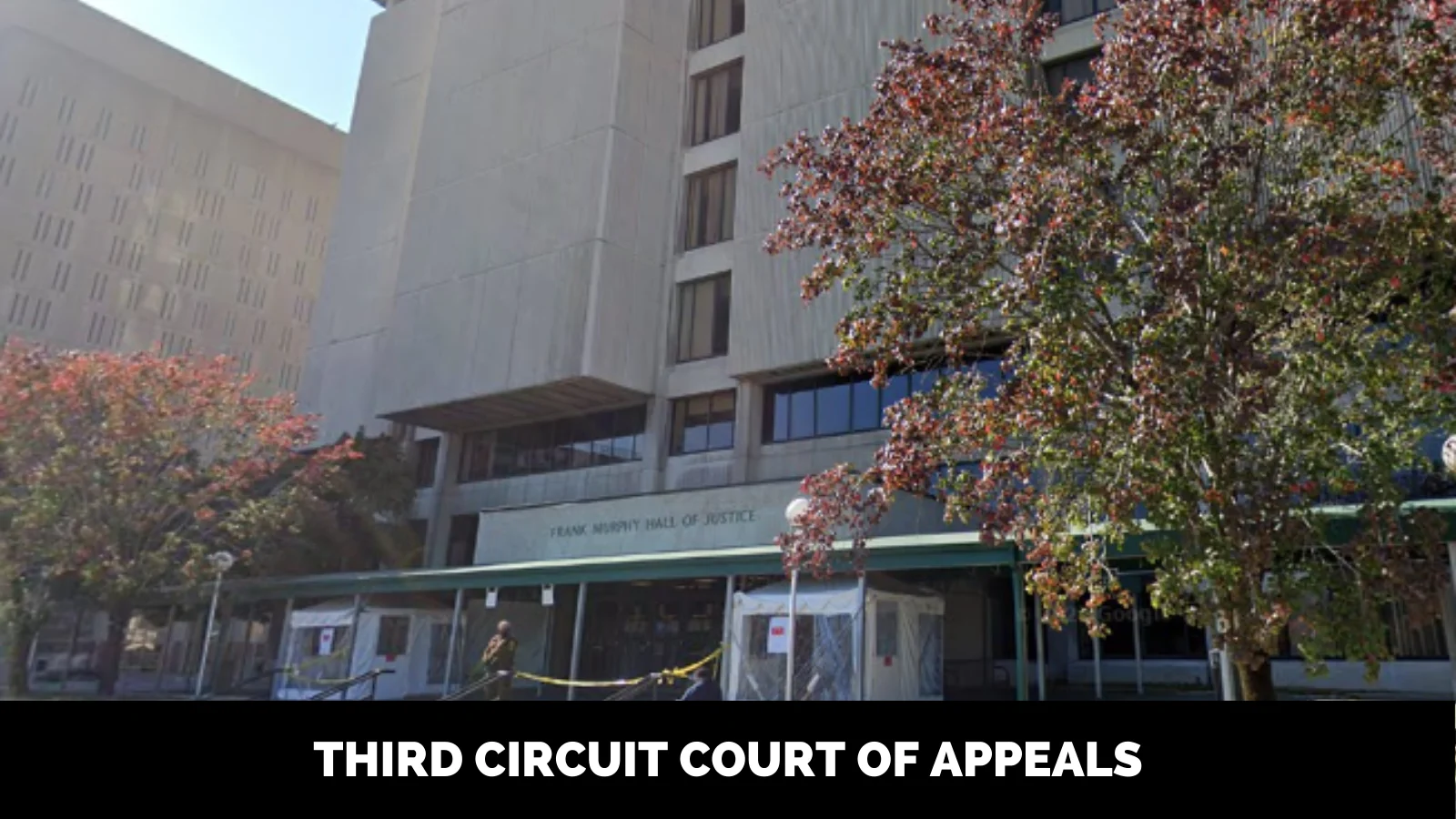
Justice Samuel Alito, writing for the majority, stated that the centers had demonstrated a “reasonable apprehension” that the New Jersey law would be used to target them for disfavored treatment. The ruling does not address the merits of AUL’s claim that the law is unconstitutional, but rather allows the case to proceed in federal court. This means that a lower court will now have to determine whether the New Jersey law actually violates the First Amendment. The decision effectively reverses a ruling by the Third Circuit Court of Appeals, which had dismissed AUL’s lawsuit for lack of standing.
The ruling is particularly significant given ongoing debates about reproductive healthcare access following the overturning of Roe v. Wade in 2022. Crisis pregnancy centers have become increasingly prominent in the landscape of reproductive health services, and their practices have drawn scrutiny from both supporters and opponents of abortion rights. The centers often operate with limited oversight and are not subject to the same regulations as licensed medical facilities.
Impact on Similar Cases Nationwide
This Supreme Court decision is expected to have a ripple effect on similar cases across the country. Several other states, including California, have laws requiring crisis pregnancy centers to disclose information about their services and funding. California’s Reproductive FACT Act, passed in 2015, requires centers to inform clients about the availability of state-funded family planning services. That law has likewise faced legal challenges, and the New Jersey ruling could bolster arguments against such regulations.
The case also highlights the broader legal battles surrounding the regulation of non-profit organizations and the balance between transparency and First Amendment rights. Charitable organizations are generally required to disclose financial information to the public, but the extent of those requirements and the potential for government overreach remain contentious issues. The Supreme Court’s decision in Americans United for Life v. Bruce underscores the importance of protecting the First Amendment rights of organizations, even those with controversial viewpoints.
The ruling comes amidst increasing concerns about the accuracy of information provided by crisis pregnancy centers. Pro-choice advocates argue that these centers often employ deceptive tactics to discourage women from seeking abortions, presenting biased or misleading information about fetal development and abortion procedures. They also point to the fact that many centers do not have licensed medical professionals on staff and may not provide comprehensive reproductive healthcare services. Conversely, supporters of crisis pregnancy centers maintain that they offer valuable support and resources to women facing tough pregnancies, providing alternatives to abortion and promoting responsible decision-making.
New Jersey’s Response and Future Legal Proceedings
New Jersey Attorney General Matthew Platkin expressed disappointment with the Supreme Court’s decision, stating that the state’s charitable registration requirements are “reasonable and necessary” to protect the public. He added that the state will continue to defend its law in federal court. “We remain confident that our law is constitutional and that it serves the important public interest of ensuring transparency and accountability for charitable organizations,” Platkin said in a statement. Reuters reported on the Attorney General’s response.

The case will now return to the U.S. District Court for the District of New Jersey, where AUL will have the opportunity to present its arguments on the merits of its First Amendment claim. The court will need to determine whether the New Jersey law is content-based, meaning that it targets the centers based on their anti-abortion views, or whether it is a neutral regulation that applies equally to all charitable organizations. If the court finds that the law is content-based, it will be subject to strict scrutiny and must be narrowly tailored to serve a compelling government interest. If the court finds that the law is neutral, it will be subject to a less demanding standard of review.
Legal experts anticipate a lengthy legal battle, with the possibility of further appeals to the Third Circuit Court of Appeals and ultimately back to the Supreme Court. The outcome of the case could have significant implications for the regulation of crisis pregnancy centers and the broader debate over reproductive healthcare access in the United States. The case also raises important questions about the role of government in regulating charitable organizations and protecting First Amendment rights.
Key Takeaways
- The Supreme Court has allowed Americans United for Life to pursue its First Amendment challenge to New Jersey’s charitable registration law in federal court.
- The case centers on whether the law violates the rights of crisis pregnancy centers to privacy and freedom of speech.
- The ruling is expected to impact similar cases in other states with laws regulating crisis pregnancy centers.
- New Jersey Attorney General Matthew Platkin has vowed to continue defending the state’s law in federal court.
- The outcome of the case could have significant implications for the regulation of reproductive healthcare services and the balance between transparency and First Amendment rights.
The next step in the legal process will be for the U.S. District Court for the District of New Jersey to hear arguments on the merits of AUL’s First Amendment claim. A hearing date has not yet been set. Readers interested in following the case can find updates on the court’s website and through news organizations covering the legal proceedings. The case is Americans United for Life v. Bruce, case number 24-763, in the Supreme Court of the United States.
Do you have thoughts on this ruling? Share your perspective in the comments below, and please share this article with your network.
Related reading